Churches Warn of Fake Workers Amid Rise in Copper Thefts
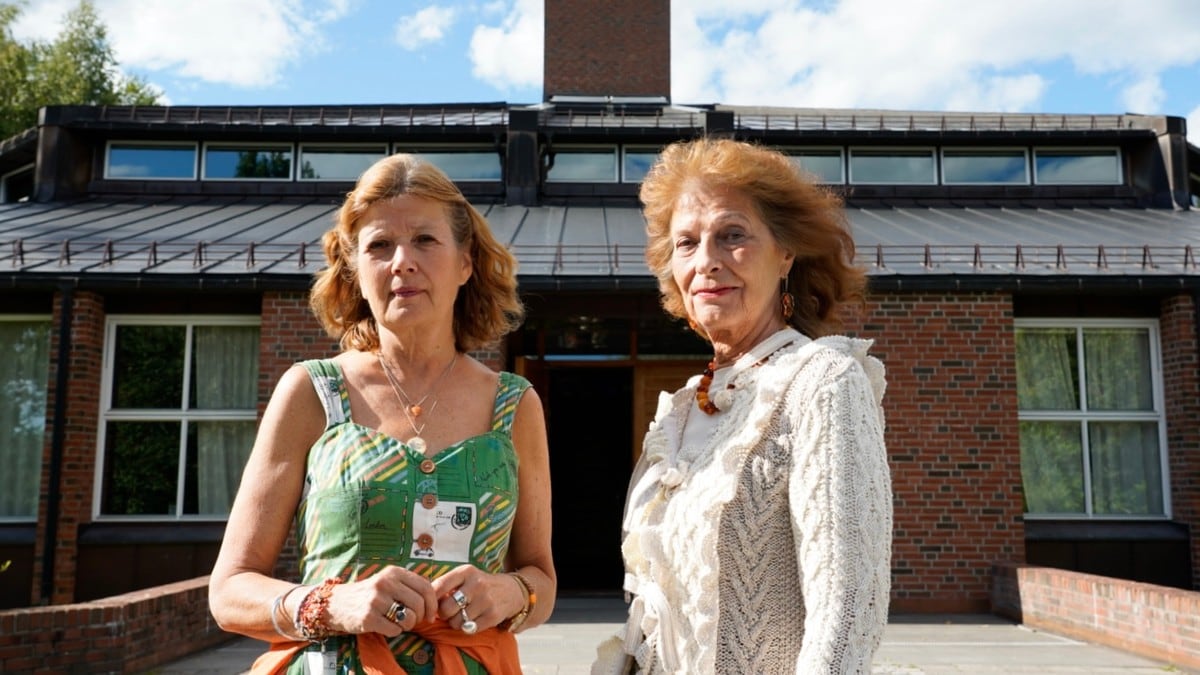
Several churches across Norway have recently fallen victim to copper thefts, prompting religious institutions to issue a public warning. The churches are urging citizens to remain vigilant and report any suspicious activity. This wave of thefts targets valuable copper components, often from church roofs and structures. The perpetrators are reportedly posing as maintenance workers to gain access and carry out the thefts, making it difficult for church officials and congregations to identify them. The increased frequency of these incidents has led to significant concern within the church community, not only due to the financial loss but also the damage to historical buildings. Authorities are investigating the cases, but the churches are proactively seeking public cooperation to prevent further incidents. The warning emphasizes the need for residents to be observant of unfamiliar individuals or vehicles around church properties, especially those claiming to be performing repairs or maintenance.
The rise in copper thefts targeting churches highlights a vulnerability in publicly accessible, often historically significant, structures. The tactic of impersonating maintenance workers suggests a degree of planning and an exploitation of trust inherent in community-based institutions. This trend may reflect broader economic pressures or the increasing value of scrap metals, incentivizing illicit activities. Churches, as custodians of heritage and community centers, face a dual challenge: safeguarding their property while maintaining an open and welcoming presence. Future security strategies might involve enhanced surveillance, community watch programs, and perhaps collaborations with local authorities to monitor scrap metal markets and identify suspicious sales. Addressing such incidents requires a multi-faceted approach that balances security needs with the symbolic and functional role of these buildings within society.
AI-generated to prompt reflection — not editorial opinion, not advice, not a statement of fact. How this works.