Ciguatera Fish Poisoning Cases Surge in Rio Grande do Norte, Health Officials Issue Warning
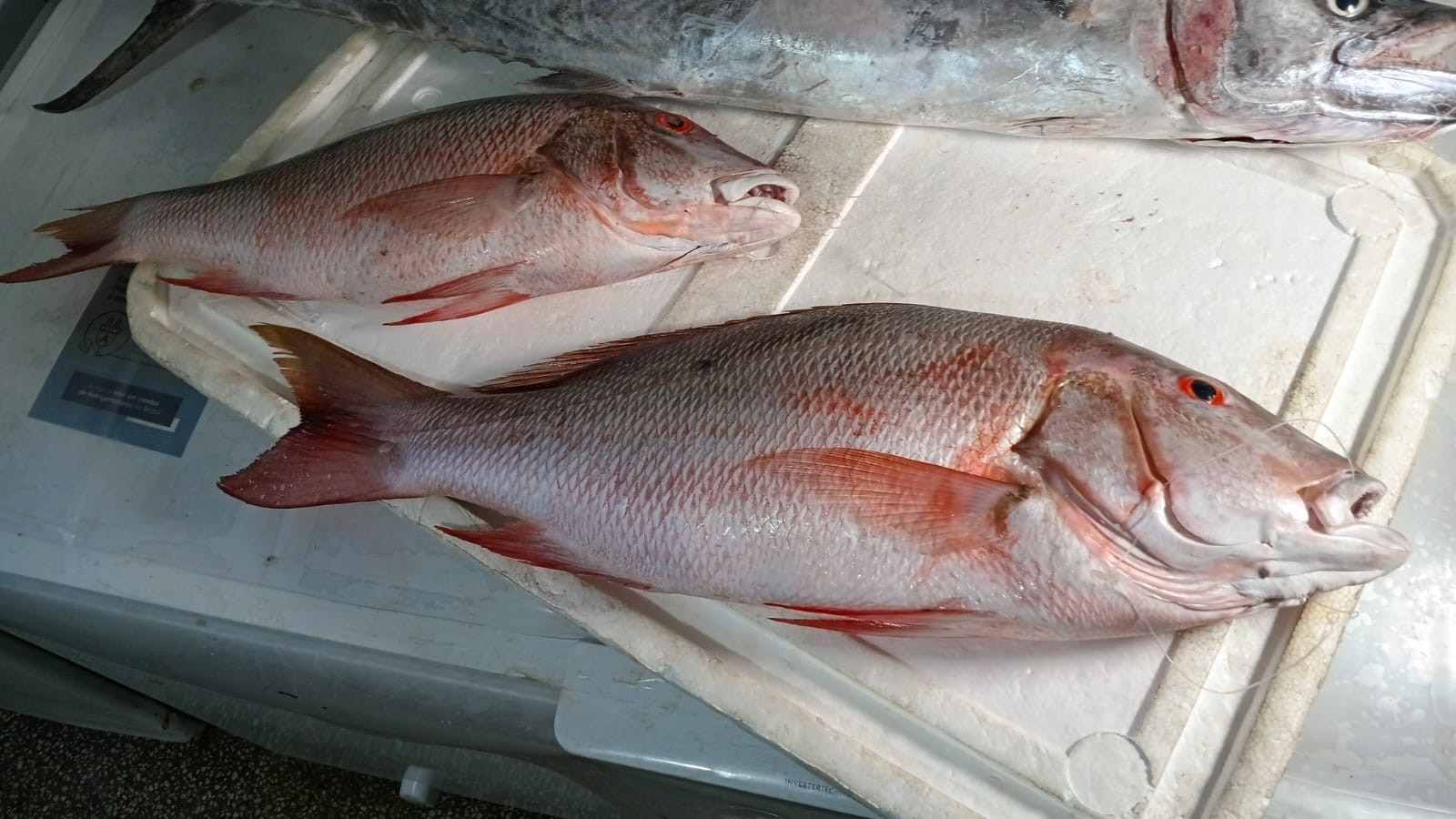
The State Secretariat of Public Health of Rio Grande do Norte (Sesap) has reported a significant 60.2% increase in ciguatera poisoning cases during the first half of 2026, compared to the entirety of 2025. As of June 11, the state recorded 141 incidents, a sharp rise from the 88 cases in the previous year. Ciguatera is a foodborne illness caused by consuming fish contaminated with ciguatoxin, a heat-stable neurotoxin that is undetectable by sight, smell, or taste and is not neutralized by cooking, freezing, or salting. Since 2022, Rio Grande do Norte has documented 259 reported cases across 46 outbreaks, resulting in two fatalities, with 113 infections confirmed according to the Notification of Morbidity Information System (Sinan). The majority of these poisonings, 64%, occur after consuming fish at home, while restaurants and commercial establishments account for 36% of incidents. The Bicuda (Barracuda) species is identified as the primary carrier of the toxin in the region, responsible for 45.13% of confirmed cases, followed by Arabaiana, Dourado, Cioba, Pescada Branca, Galo do Alto, Pargo, and Sirigado (Robalo). Women constitute 59.3% of affected individuals, with adults aged 20 to 59 representing the largest demographic group (61.95%), followed by those 60 and older (23.9%). The capital city, Natal, experiences over half of the state's reported cases (52.21%), with Touros, Ceará-Mirim, Nísia Floresta, Parnamirim, and Extremoz also reporting significant numbers. Initial symptoms include gastrointestinal distress, but neurological effects like intense itching, body aches, metallic taste, and altered temperature sensation can persist for years. Severe cases may involve cardiovascular complications. Sesap advises immediate medical attention for suspected cases, reporting recent fish consumption, preserving leftover fish for analysis, and avoiding fish from unknown origins or associated with known outbreaks.
The escalating incidence of ciguatera poisoning in Rio Grande do Norte highlights critical challenges in food safety and public health surveillance, particularly concerning marine ecosystems and their impact on human health. The persistence of the neurotoxin through conventional food preparation methods underscores the need for advanced detection and tracing mechanisms rather than relying solely on consumer awareness. Given that domestic consumption is the primary vector, public health campaigns must evolve beyond simple warnings to address the complexities of fish sourcing and preparation within households. Future strategies may involve enhanced monitoring of fish populations for toxin levels, improved traceability systems from catch to consumer, and potentially exploring alternative protein sources or aquaculture practices that mitigate risks associated with wild-caught contaminated species. The disproportionate impact on women and older adults warrants further investigation into potential underlying vulnerabilities or dietary patterns.
AI-generated to prompt reflection — not editorial opinion, not advice, not a statement of fact. How this works.