Ciguatera Poisoning Cases Surge in Brazil's Rio Grande do Norte; Health Officials Issue Fish Safety Guidance
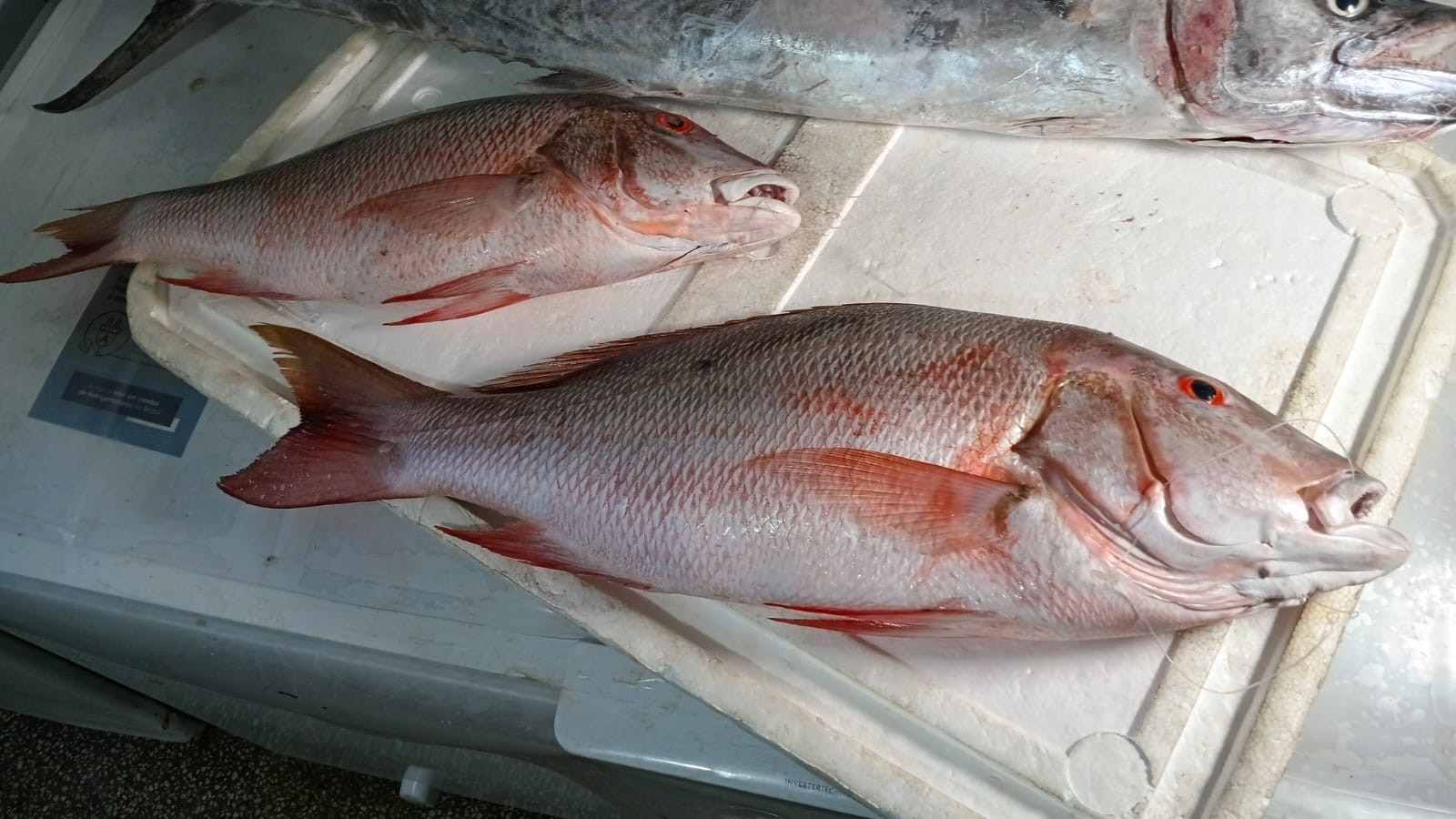
Health authorities in Natal, Rio Grande do Norte, Brazil, have released a list of fish species deemed lower risk for ciguatera poisoning following a significant increase in cases. As of June 11th this year, the state recorded 141 ciguatera incidents, a 60.2% rise compared to the 88 cases reported throughout all of 2025. Ciguatera is caused by consuming fish contaminated with ciguatoxin, a neurotoxin produced by marine microalgae that is undetectable and resistant to cooking, freezing, or salting. The State Secretariat of Public Health (Sesap) advises against consuming fish species most frequently associated with outbreaks, including Bicuda (Barracuda), Arabaiana, Dourado, Cioba, Pescada Branca, Galo do Alto, Pargo, and Sirigado (Robalo). Notably, barracuda accounts for 45.13% of confirmed cases in the region. Safer fish options recommended by Sesap include Tilapia, Curimatã, Tuna, Mackerel, Herring, and Anchovy. Additionally, officials recommend removing the head, viscera, and eggs from fish, as these parts may harbor higher toxin concentrations. Since 2022, Rio Grande do Norte has reported 259 ciguatera notifications across 46 outbreaks, resulting in two deaths. Of these, 113 cases have been confirmed. The majority of poisonings, 64%, occurred after consuming fish at home, with 36% linked to restaurant meals. Natal accounts for 52.21% of the state's notifications, followed by Touros, Ceará-Mirim, Nísia Floresta, Parnamirim, and Extremoz. Women constitute 59.3% of cases, with adults aged 20-59 being the most affected demographic. Symptoms, appearing within minutes to 48 hours, include intense itching, numbness, gastrointestinal distress, body aches, and temperature perception reversal; severe cases can involve blood pressure drops and slowed heart rate. Suspected cases require immediate medical attention, reporting fish consumption, preserving leftovers, and notifying the CIEVS.
The surge in ciguatera cases in Rio Grande do Norte highlights the complex interplay between marine ecosystems, food supply chains, and public health surveillance. The toxin's persistence through cooking underscores the need for robust testing and consumer education beyond traditional food preparation advice. While identifying lower-risk species offers immediate guidance, the underlying environmental factors contributing to increased ciguatoxin prevalence require long-term investigation. Public health strategies must balance immediate risk mitigation with proactive environmental monitoring and sustainable fishing practices to address the root causes of such outbreaks in the coming decade.
AI-generated to prompt reflection — not editorial opinion, not advice, not a statement of fact. How this works.