Citizen Scientists Aid Researchers in Tracking Species and Environmental Changes
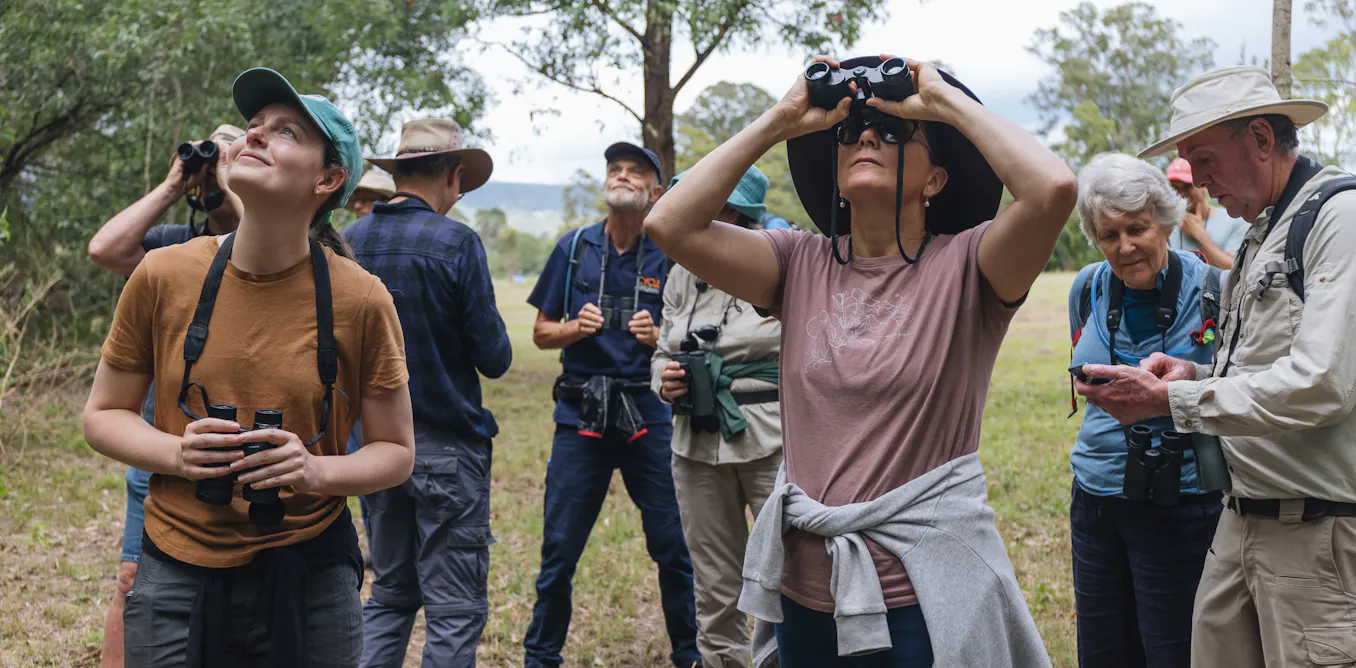
Scientists and authorities are increasingly relying on the public for assistance in monitoring wildlife and environmental conditions. This collaborative approach, known as citizen science, enlists individuals from various backgrounds, including retirees and beachcombers, to contribute valuable data. These contributions are crucial for tracking a wide range of phenomena, from the status of threatened species to the occurrence and spread of algal blooms. The involvement of the community allows for broader geographical coverage and more frequent observations than would be possible with limited scientific resources alone. This expanded monitoring network helps researchers and environmental agencies gain a more comprehensive understanding of ecological health and identify potential issues early on. The data collected by citizen scientists can inform conservation efforts, environmental management strategies, and scientific research. The initiative highlights the growing recognition of the public's role in scientific discovery and environmental stewardship.
The increasing reliance on citizen science reflects a pragmatic response to resource constraints in scientific research and environmental monitoring. By leveraging public participation, institutions can achieve wider spatial and temporal data coverage, enhancing their capacity to track complex ecological changes. This model democratizes scientific observation but also necessitates robust data validation protocols to ensure accuracy and reliability. Future considerations include integrating citizen science data with advanced analytical tools, such as AI, to process and interpret the vast datasets generated. This partnership between professionals and the public offers a scalable solution for addressing environmental challenges in an era of rapid change, though it raises questions about equitable data ownership and the long-term engagement of volunteers.
AI-generated to prompt reflection — not editorial opinion, not advice, not a statement of fact. How this works.