Citizen Scientists Reveal Diverse Evolutionary Paths of Parental Care in Harvestmen
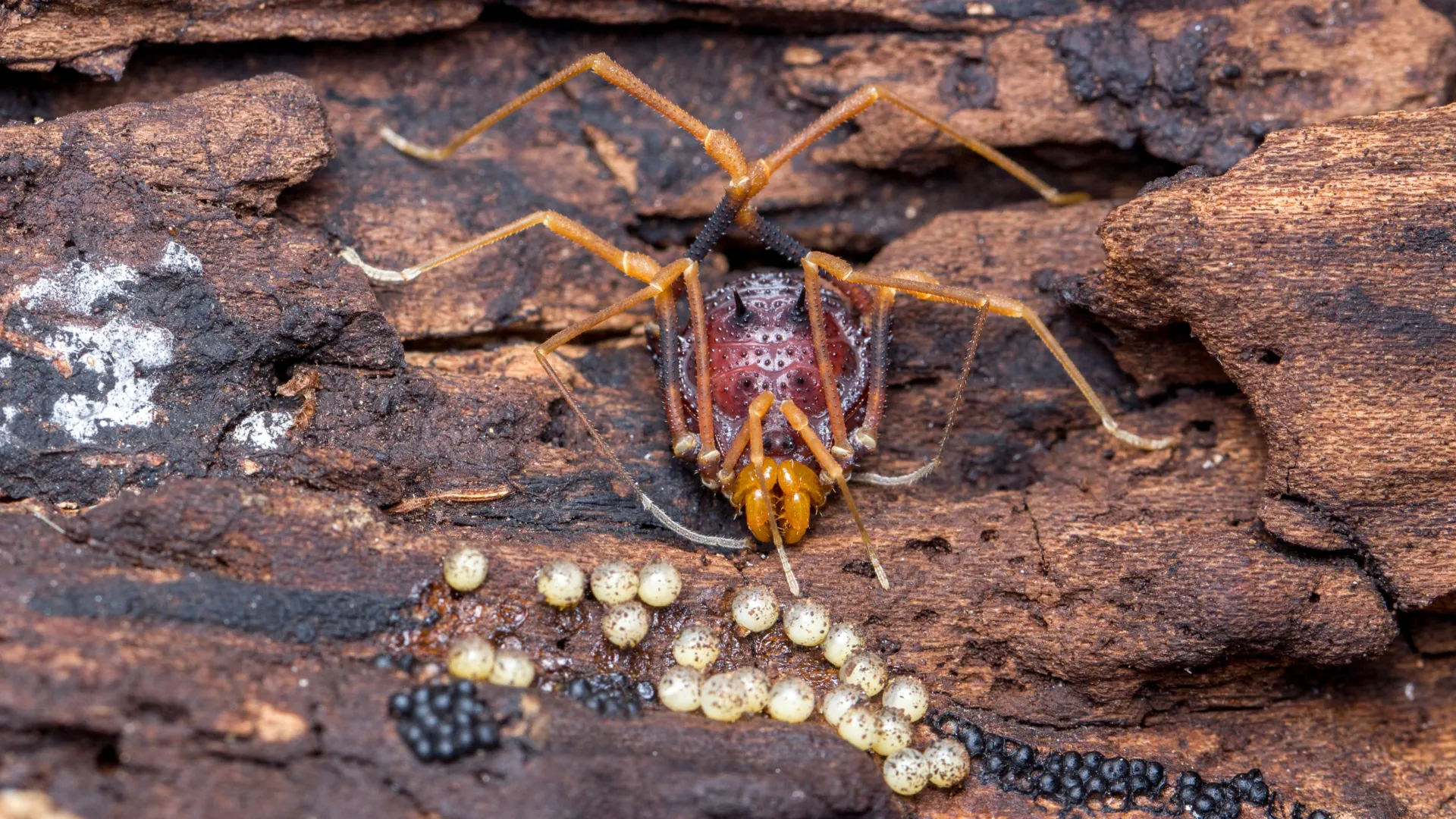
Citizen scientists have played a crucial role in a recent study that has shed light on the evolutionary origins of parental care in harvestmen, also known as "daddy longlegs." By analyzing photographs and observations submitted by the public to the iNaturalist platform, researchers significantly expanded the documented instances of egg-guarding behavior in these arachnids. This extensive dataset more than doubled the previously known cases, providing a much richer understanding of the phenomenon. The findings indicate that maternal and paternal care in harvestmen did not evolve in tandem but rather followed distinct evolutionary trajectories. This groundbreaking project, accomplished in a remarkably short period due to the accessibility of public data, underscores the transformative impact of citizen science on biological research worldwide. It demonstrates how collaborative efforts can accelerate scientific discovery and deepen our comprehension of the natural world.
This study highlights the power of citizen science in accelerating biological research, particularly in understanding complex evolutionary behaviors like parental care. The rapid expansion of data on egg-guarding in harvestmen, facilitated by public contributions, demonstrates a scalable model for ecological and evolutionary research. The finding that maternal and paternal care evolved independently suggests that different selective pressures may have driven the development of these behaviors in males and females. Future research could explore the specific environmental or social factors that favored these divergent evolutionary paths, offering insights into the broader principles of parental investment across the animal kingdom. This approach also democratizes scientific inquiry, enabling broader participation and potentially uncovering patterns that might be missed by traditional, lab-based methods.
AI-generated to prompt reflection — not editorial opinion, not advice, not a statement of fact. How this works.