Citronella Candles: An Ineffective Mosquito Repellent, Study Finds
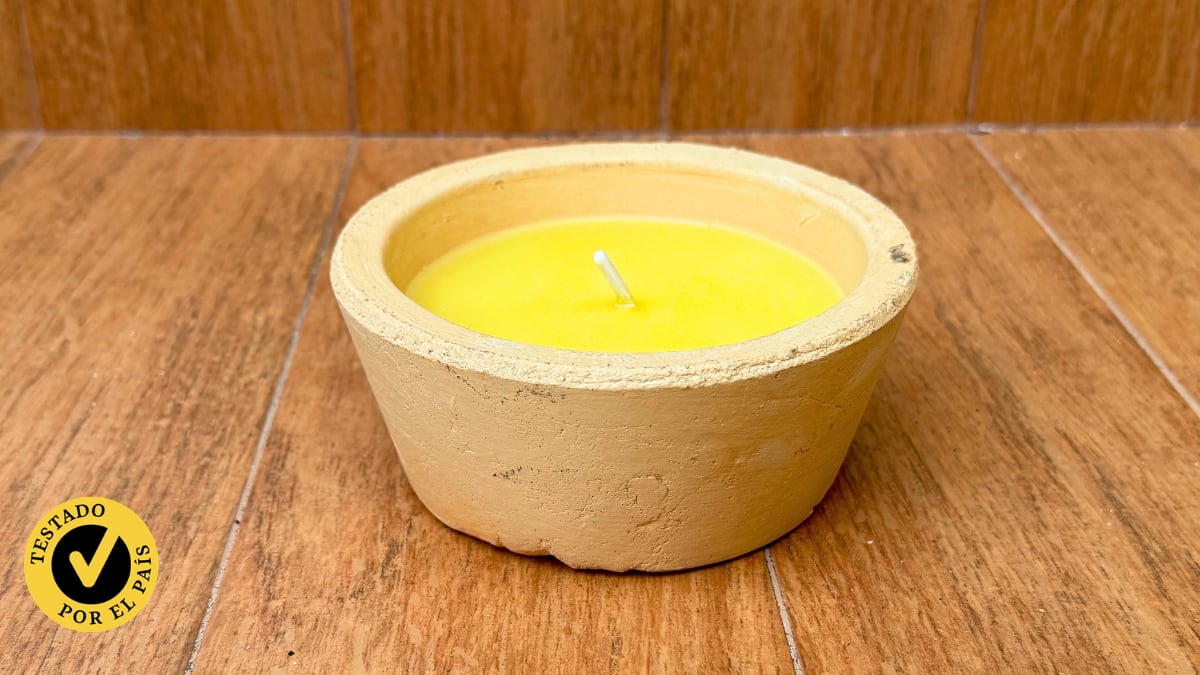
Citronella candles, long considered a staple for summer outdoor gatherings, have been found to be largely ineffective as mosquito repellents. Despite their widespread use and perceived efficacy, recent findings suggest that consumers are essentially wasting their money on these products. The research indicates that while citronella oil does possess some repellent properties, the concentration and delivery method in typical candles are insufficient to provide meaningful protection against mosquito bites. This discovery challenges a long-held assumption about their utility and prompts a reconsideration of common pest control practices. Consumers seeking effective mosquito control may need to explore alternative methods that have demonstrated greater success in scientific studies. The effectiveness of citronella candles has been questioned, leading to the conclusion that they are not a worthwhile investment for repelling mosquitoes. This revelation encourages a shift towards more scientifically validated solutions for managing insect populations.
The widespread adoption of citronella candles for mosquito control highlights a common consumer reliance on traditional, yet potentially unproven, solutions. This situation underscores a broader market dynamic where perceived effectiveness can overshadow scientific validation. As technology advances, consumers are increasingly exposed to data that challenges long-standing practices, prompting a demand for evidence-based products. The efficacy of such items is subject to the principles of chemical diffusion and concentration, suggesting that while the active ingredient may have merit, its application in a candle format is suboptimal for sustained, widespread repellent action. This presents an opportunity for innovation in pest management, focusing on delivery systems that offer verifiable protection and align with evolving consumer expectations for performance and value in the face of emerging public health concerns related to insect-borne diseases.
AI-generated to prompt reflection — not editorial opinion, not advice, not a statement of fact. How this works.