City Heat: Banning Internal Combustion Engine Cars Could Offer Cooling
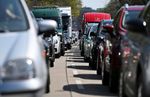
Urban areas are significantly heated by traffic, and restrictions on vehicle use could lead to rapid cooling. The article suggests that implementing such measures might encourage people to step out of their comfort zones and utilize public transportation, which offers good alternatives. This approach aims to mitigate the urban heat island effect exacerbated by vehicle emissions and engine heat.
Vehicle traffic contributes to urban heat island effects through direct heat emissions and exhaust. Restricting internal combustion engine vehicles in cities could alleviate this localized warming, potentially improving air quality and public health. This policy shift necessitates robust public transit infrastructure to ensure accessibility and convenience for residents. The long-term implications involve a transition towards sustainable urban mobility, balancing environmental benefits with the practical needs of citizens and the economic impacts on the automotive sector.
AI-generated to prompt reflection — not editorial opinion, not advice, not a statement of fact. How this works.