City Noise Linked to Higher Parkinson's Risk, New Study Finds
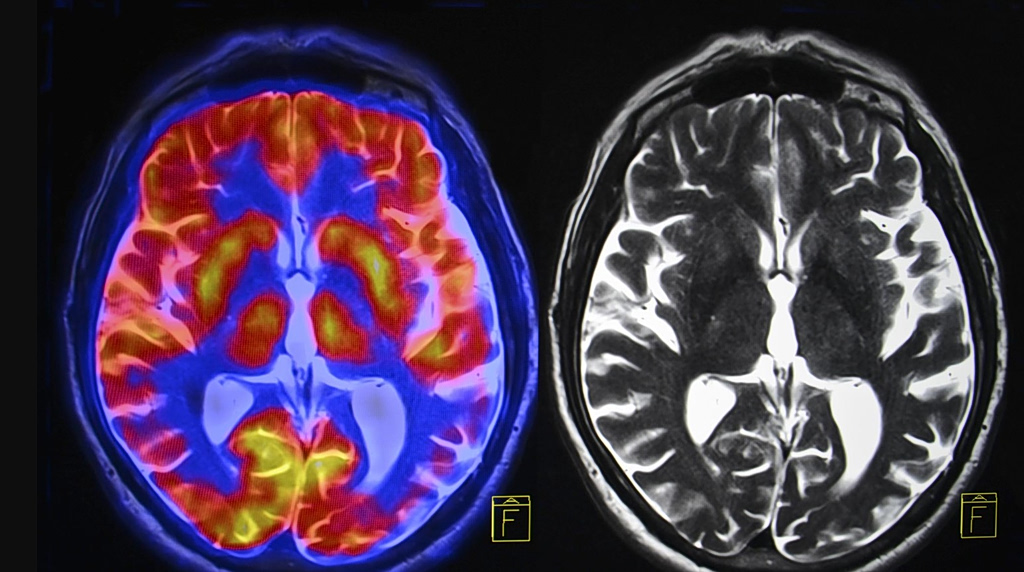
A recent study conducted in Denmark has revealed a potential link between exposure to urban noise and an increased risk of developing Parkinson's disease. The research analyzed data from approximately 3 million individuals over the age of 40. This extensive cohort was followed for a period of roughly 13 years, allowing researchers to observe long-term health outcomes. The findings suggest that the constant auditory environment of city living may have detrimental effects on neurological health. While the study highlights a correlation, further investigation is needed to understand the precise biological mechanisms driving this association. Researchers aim to explore how prolonged exposure to noise pollution might impact the brain and contribute to the onset of neurodegenerative conditions like Parkinson's. This groundbreaking research could inform public health policies aimed at mitigating environmental risk factors for neurological disorders.
This study introduces a novel environmental factor, urban noise, as a potential contributor to Parkinson's disease risk. From a public health perspective, understanding the dose-response relationship between noise pollution levels and Parkinson's incidence is crucial for developing targeted interventions. Future research should explore the physiological pathways, such as stress hormone activation or sleep disruption, through which noise might affect dopaminergic neurons. This could lead to policy recommendations for urban planning and noise reduction strategies, potentially mitigating long-term neurological health burdens in aging populations. The findings underscore the need to consider the broader environmental context of urban living when assessing health risks.
AI-generated to prompt reflection — not editorial opinion, not advice, not a statement of fact. How this works.