Civil War Projectiles Found at Royal Palace Highlight Lasting Scars
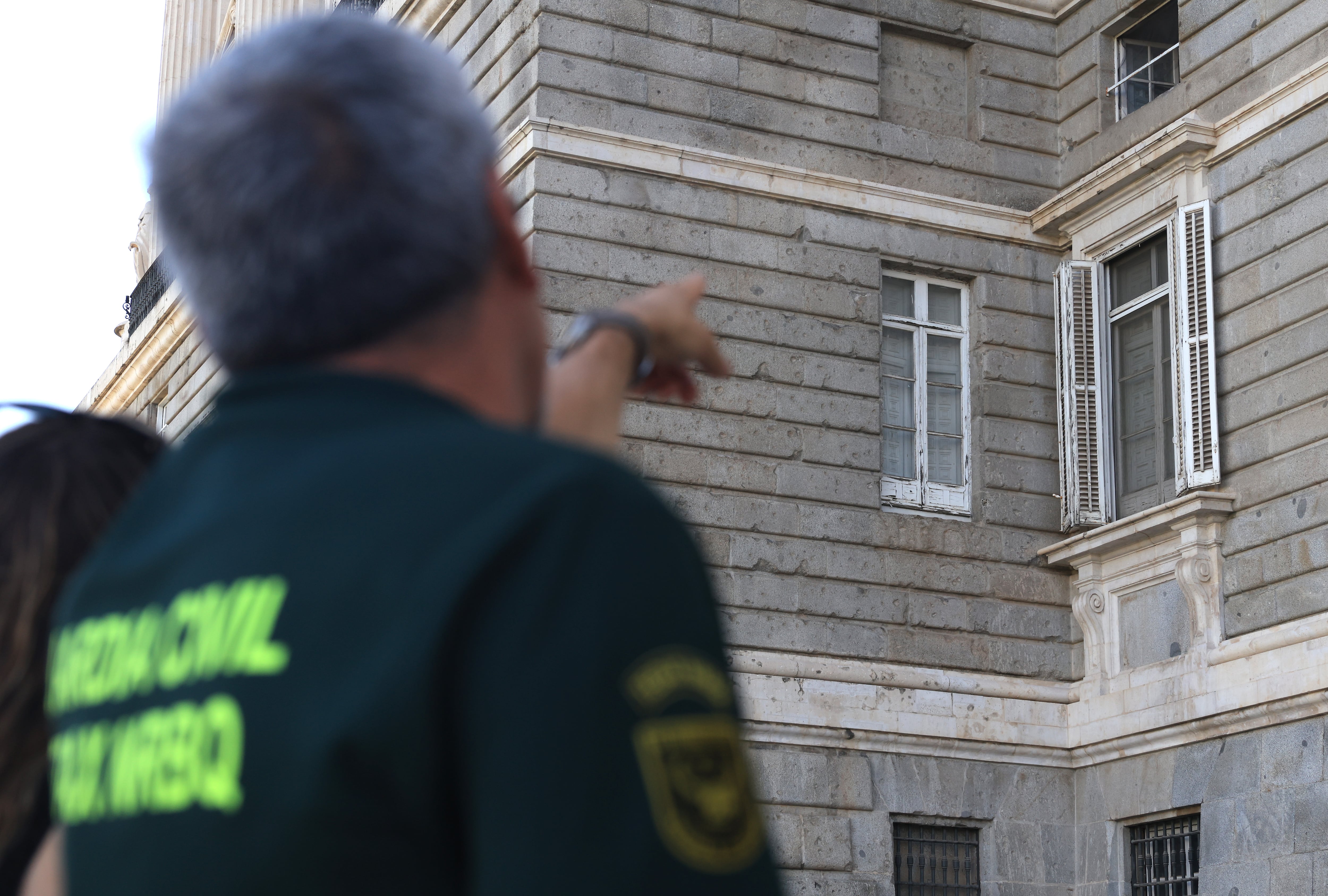
The recent discovery of projectiles in the Campo del Moro, near Madrid's Royal Palace, has prompted renewed attention to the material remnants of the Spanish Civil War preserved within the building. These findings underscore the enduring physical impact of the conflict, which began 90 years ago. Among the artifacts documented are pieces of armor belonging to King Philip IV, which were severely damaged, described metaphorically as having been left "like Gruyère cheese." This damage is attributed to the wartime events, serving as a tangible link to the historical violence that affected the palace and its surroundings. The Royal Palace, a significant historical monument, thus holds not only royal history but also the physical evidence of more recent national trauma. The ongoing documentation efforts aim to preserve these fragments as part of the building's material memory, ensuring that the scars of the Civil War are not forgotten. These discoveries emphasize the importance of historical preservation in understanding the full narrative of Spain's past, including periods of conflict and destruction. The presence of such artifacts within a site of national heritage provides a stark reminder of the past's proximity to the present.
The discovery of Civil War projectiles at the Royal Palace, 90 years after the conflict's commencement, highlights the persistent material legacy of historical conflict. This event prompts a reflection on how national heritage sites can simultaneously embody royal history and the physical evidence of more recent societal upheaval. The preservation of damaged artifacts, such as King Philip IV's armor, serves as a potent reminder of the destructive forces that have shaped national identity. Future heritage management strategies may need to consider how to integrate these 'scars' into the narrative, fostering a more complete understanding of a nation's past without sensationalizing or politicizing the material evidence. This approach could inform how societies confront and memorialize periods of internal strife, balancing historical accuracy with the need for national reconciliation and forward-looking perspectives.
AI-generated to prompt reflection — not editorial opinion, not advice, not a statement of fact. How this works.