CJP Protest Sparks Debate on Anti-Reservation Movement
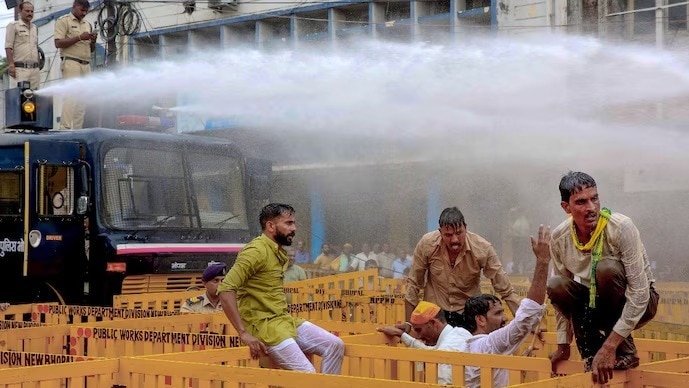
A protest organized by the Citizens for Justice and Peace (CJP) against the NEET-UG paper leak has inadvertently given rise to an anti-reservation movement. This demonstration has provided a framework and impetus for those opposing the existing reservation system in India. The controversy surrounding the NEET-UG exam leak has reignited discussions about the quota system. The CJP's actions, initially aimed at addressing exam irregularities, have now become a focal point for a broader debate on affirmative action policies. This situation highlights how specific grievances can sometimes coalesce into larger social and political movements. The timing of the protest, amidst ongoing concerns about fairness in competitive exams, has amplified its impact. The debate is expected to continue as stakeholders weigh the merits of reservation against concerns of meritocracy and equal opportunity. The CJP's protest has thus become a critical juncture, potentially reshaping the discourse around social justice and equity in India.
The CJP's protest against the NEET-UG paper leak, while intended to address exam integrity, has unintentionally amplified calls for dismantling reservation policies. This dynamic illustrates how systemic issues, such as perceived unfairness in competitive examinations, can become catalysts for broader ideological movements. The situation presents a complex interplay between the goals of affirmative action, designed to ensure representation, and the principles of meritocracy. Future policy discussions will likely need to navigate these competing interests, seeking mechanisms that uphold both equity and fairness in educational and professional access. The long-term implications may involve a re-evaluation of how social justice objectives are pursued within the evolving socio-economic landscape of India.
AI-generated to prompt reflection — not editorial opinion, not advice, not a statement of fact. How this works.