Clandestine nursing home shut down for second time in Americana for poor conditions
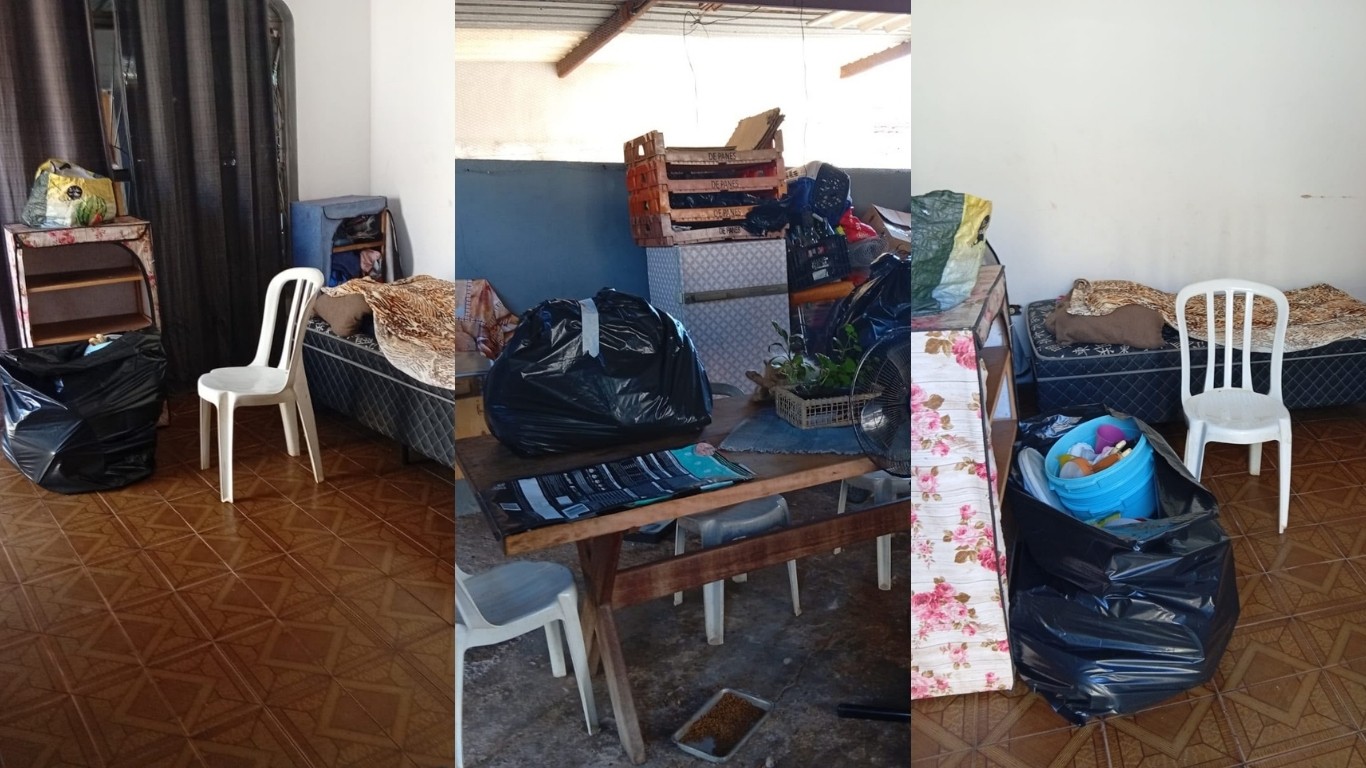
A clandestine nursing home in Americana, São Paulo, was shut down by the Health Surveillance agency for the second time on Tuesday, May 28th. The facility was operating without a sanitary license and housed five elderly residents in what were described as "precarious conditions." The intervention followed a complaint and involved multiple city departments, including the Health Surveillance, Municipal Guard, Social Assistance Secretariat, and the Zoonosis Control Center.
During the inspection, officials found the residents living in unsanitary, unsafe, and uninhabitable conditions, posing health risks. There were no medical records or documentation to identify the residents or confirm medical supervision. The property also had a strong odor of animal feces, with over 20 Persian cats and two dogs present. The Zoonosis Control Center addressed the animals' welfare.
The five elderly residents were taken to the UPA (Emergency Care Unit) in Jardim Dona Rosa for medical evaluation and are receiving ongoing care while authorities attempt to locate their families. The individual responsible for the property was taken to the police station after reportedly refusing to provide information and becoming agitated. As of the latest update, it was unconfirmed if she had been arrested.
This incident highlights a critical gap in oversight for elder care facilities, particularly those operating outside formal licensing structures. The repeated closure suggests systemic challenges in identifying and permanently addressing non-compliant operations, potentially driven by insufficient regulatory resources or enforcement mechanisms. The presence of numerous animals in close proximity to vulnerable residents raises public health concerns related to hygiene and zoonotic disease transmission, indicating a broader neglect of safety protocols. Moving forward, enhanced proactive inspection schedules, stricter penalties for repeat offenders, and community awareness campaigns could strengthen protections for elderly individuals relying on such care services.
AI-generated to prompt reflection — not editorial opinion, not advice, not a statement of fact. How this works.