Clarens' Confession Aligns With Construction Firm Withdrawals, Accountant Testifies
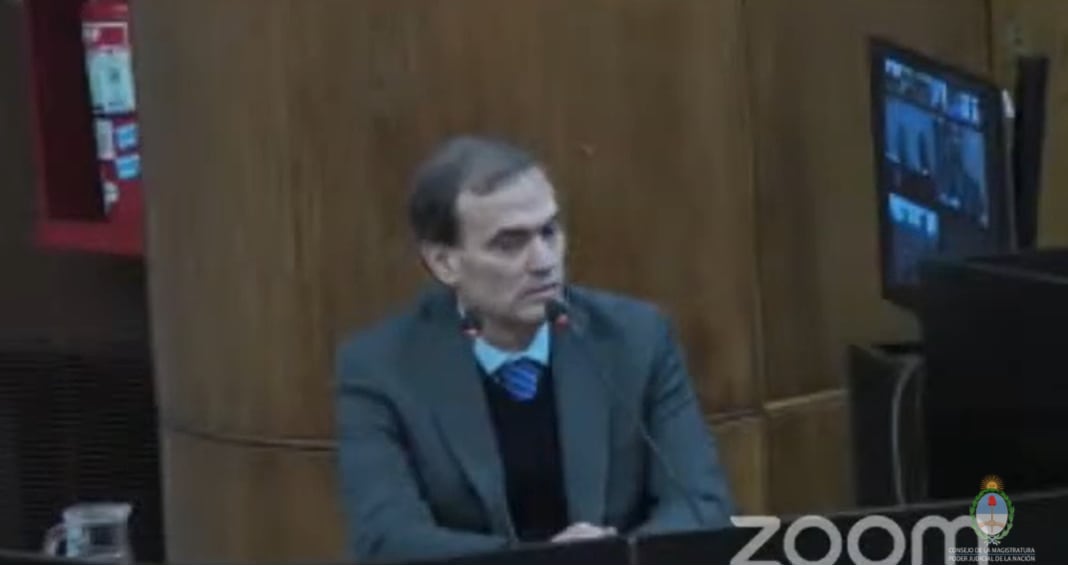
An accountant formerly with Argentina's tax agency (AFIP) has identified significant overlaps between the timeline provided by businessman Leonardo Clarens and financial transactions made by representatives of construction companies. Clarens, described as a money changer close to the Kirchner family, testified as a repentant witness, providing details about alleged illicit financial activities. The AFIP accountant's testimony reportedly corroborates Clarens' account by matching the dates he mentioned with specific bank withdrawals. These withdrawals were reportedly made by individuals acting on behalf of construction firms involved in public works projects. The emerging coincidences suggest a potential link between Clarens' revelations and the financial movements of these companies. This development could have implications for ongoing investigations into corruption and money laundering in Argentina. The testimony adds another layer of complexity to the understanding of financial flows related to political figures and business dealings.
The accountant's testimony introduces a crucial corroborative element to Leonardo Clarens' repentant witness account, potentially strengthening the evidentiary basis for ongoing investigations. By aligning specific dates from Clarens' confession with documented bank withdrawals by construction firms, the testimony highlights the importance of meticulous financial record-keeping and forensic accounting in uncovering complex financial schemes. This development underscores the systemic risks associated with the intersection of public contracts, political influence, and private capital, particularly in economies where transparency and regulatory oversight may face challenges. Future scrutiny will likely focus on the governance structures that allowed for such alleged financial movements and the efficacy of anti-corruption frameworks in preventing similar occurrences.
AI-generated to prompt reflection — not editorial opinion, not advice, not a statement of fact. How this works.