Clashes in Hanna Urak Leave 3 Dead, 9 Injured; 7 Civilians Kidnapped
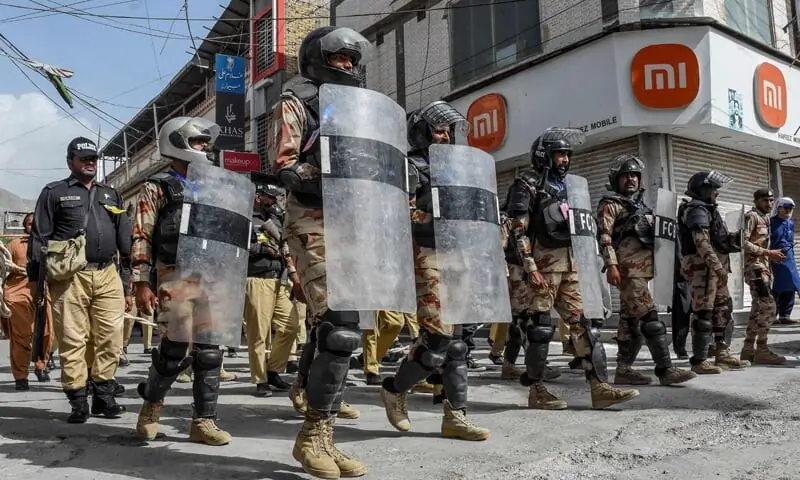
A violent confrontation in Hanna Urak, on the outskirts of Quetta, Pakistan, resulted in three deaths and at least nine injuries after armed assailants attacked the Babri area on Sunday night. Locals engaged the attackers in a gun battle, leading to the casualties. Provincial Home Minister Ziaullah Langove reported that in addition to the fatalities and injuries, seven civilians were kidnapped by the attackers. The Balochistan government launched an immediate operation in response, with officials claiming four suspected attackers were killed and several police personnel were injured during the subsequent security operation. Shahid Rind, Chief Minister's aide on media, confirmed injuries to ATF personnel, later revised to at least nine injured law enforcement officers. The government alleges that the banned Tehrik-i-Taliban Pakistan (TTP) was responsible for the attack. Chief Minister Sarfraz Bugti chaired a high-level meeting, ordering a "sanitization operation" and the establishment of joint checkposts to monitor terrorist movements. He also directed "indiscriminate action" against those involved in terrorism and formed a committee, including the Home and Health Ministers, to negotiate with protesters and provide assistance to affected families within two days.
The events in Hanna Urak highlight the persistent challenges of counter-terrorism operations in regions prone to extremist activity. The government's swift response, including security operations and the formation of joint task forces, indicates a commitment to restoring order. However, the reported kidnapping of civilians and the involvement of alleged banned militant groups underscore the complex and volatile security landscape. Future strategies will likely need to balance kinetic operations with robust community engagement and intelligence gathering to address the root causes of such violence and prevent future incidents. The establishment of joint checkposts and directives for "indiscriminate action" suggest a focus on immediate threat neutralization, but long-term stability may depend on addressing underlying socio-economic factors and fostering trust between security forces and local populations.
AI-generated to prompt reflection — not editorial opinion, not advice, not a statement of fact. How this works.