Classic Films Resurface Amidst Limited New Releases and Blockbuster Success
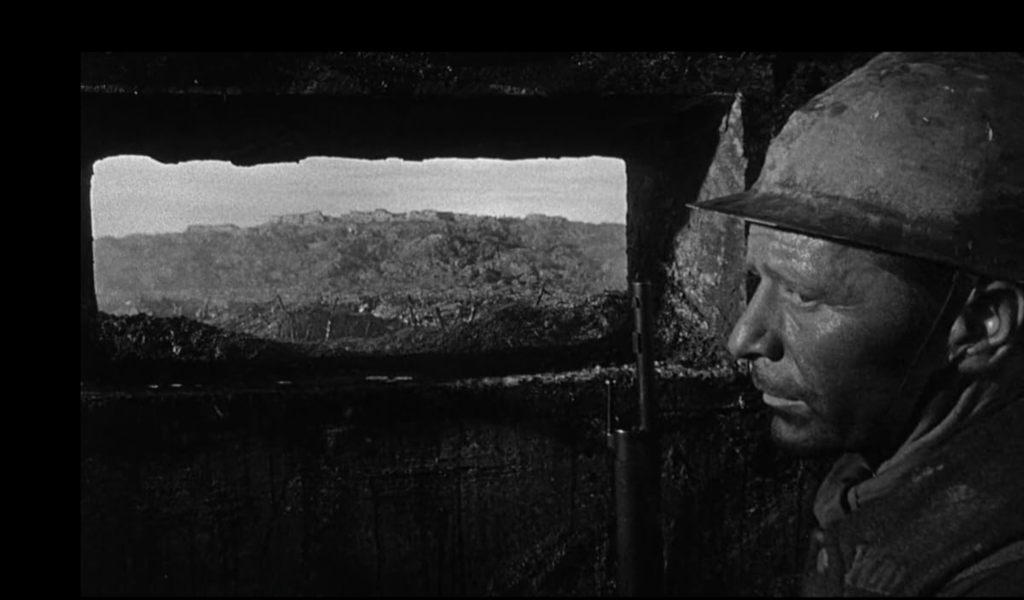
With Christopher Nolan's latest film dominating cinemas and a noticeable scarcity of new movie releases, classic films are inevitably taking center stage. The resurgence of these older works highlights a current trend in the film industry, where established masterpieces are being revisited by audiences. This phenomenon suggests a potential gap in the market for fresh content or a strong nostalgic draw towards cinematic history. The success of Nolan's film, likely a major draw, further accentuates the limited options available for moviegoers seeking new cinematic experiences. Consequently, distributors and theaters are leaning on the enduring appeal of black and white classics and other acclaimed older films to fill the void. This strategy aims to maintain audience engagement and box office revenue during a period of reduced new film output. The situation underscores the dynamic interplay between blockbuster hits, the availability of new content, and the enduring value of classic cinema.
The current cinematic landscape, characterized by the strong performance of a major new release like Christopher Nolan's film and a limited slate of new productions, presents a strategic opportunity for the re-release of classic films. This dynamic suggests that while blockbuster events can drive significant audience engagement, a broader market exists for curated, high-quality older content. The industry's reliance on established titles indicates a potential tension between the drive for innovation and the financial security offered by proven intellectual property. This trend may prompt a re-evaluation of production pipelines and distribution strategies, encouraging a more balanced approach that supports both groundbreaking new works and the preservation and re-promotion of cinematic heritage. Over the next decade, as digital distribution models evolve and AI-driven content creation emerges, the value proposition of both new and classic films will continue to be redefined by audience accessibility and perceived cultural relevance.
AI-generated to prompt reflection — not editorial opinion, not advice, not a statement of fact. How this works.