Claude AI conversations and artifacts accidentally indexed on Google Search
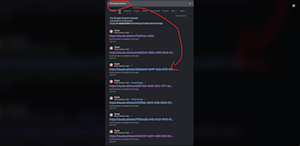
Over the weekend of July 20-21, 2024, users discovered that some shareable conversations and AI-generated "Artifacts" from Anthropic's Claude chatbot were being indexed by Google Search, making them publicly accessible. Reddit user -void1 first reported the issue on the r/ClaudeAI subreddit, sparking widespread concern about user privacy and data security. Independent verification by VentureBeat confirmed that some Claude Artifacts were indeed searchable and accessible via Google, although shared conversations could not be accessed. By Sunday morning, many of the affected Google search results began to disappear, suggesting that either Google or Anthropic, or both, had taken action. The exposure is particularly concerning for enterprise users, as Anthropic has promoted Artifacts as a collaborative workspace for business assets, including interactive applications and dashboards, not just chatbot responses. While Anthropic's sharing feature requires users to explicitly select to make content shareable and warns of accessibility to anyone with the link, some users interpreted this as similar to an unlisted YouTube video rather than content eligible for search engine indexing. The incident echoes similar past issues faced by OpenAI with ChatGPT and Google with its Bard AI, highlighting a recurring challenge for AI companies as their platforms evolve into collaborative workspaces. The core of the dispute lies in whether users reasonably understood that publicly shared pages could be discovered through search engines, beyond just recipients possessing the direct link.
This incident highlights a critical friction point between user expectations of privacy for "shared by link" content and the default indexing behavior of public search engines. While Anthropic's interface includes warnings, the perception of "shareable" versus "publicly discoverable" remains a complex user experience challenge, especially as AI tools generate increasingly sensitive and valuable business assets. The recurrence of this issue across multiple AI platforms suggests a systemic need for clearer default privacy settings and more robust user education on the implications of public sharing in the evolving AI landscape. Future AI workspace designs must proactively address this ambiguity to prevent unintended data exposure and maintain user trust, particularly as enterprises integrate these tools into core workflows.
AI-generated to prompt reflection — not editorial opinion, not advice, not a statement of fact. How this works.