Claude Le Roy Slams FIFA President Infantino as 'Dangerous Idiot'
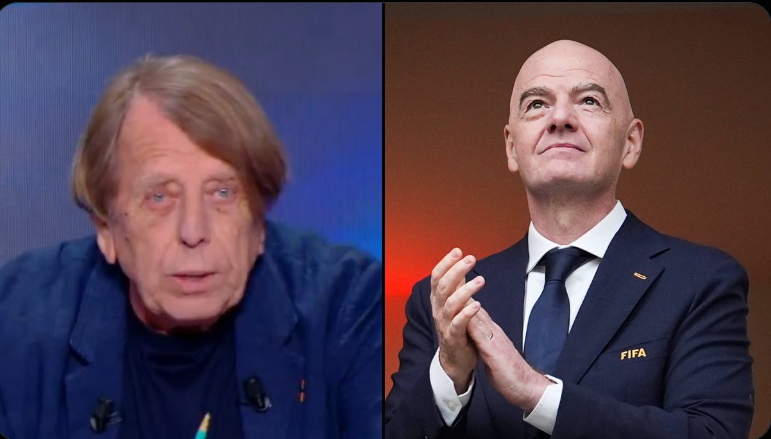
Former national team coach Claude Le Roy has launched a scathing attack on FIFA President Gianni Infantino, calling him a "dangerous idiot" for his handling of football's global governance. Le Roy's criticism, aired on the L'Équipe du soir program, specifically targets FIFA's decision to overturn the automatic suspension of player Folarin Balogun. This controversial ruling has sparked widespread debate regarding perceived double standards within the organization. Le Roy, a veteran coach with extensive experience across Africa and Asia, expressed his deep disappointment with the current leadership of world football's governing body. He believes Infantino's decisions are detrimental to the integrity and fair play of the sport. The controversy highlights ongoing tensions surrounding FIFA's disciplinary processes and the authority of its president. The specific case of Balogun's suspension has become a focal point for broader concerns about transparency and consistency in FIFA's rulings. Le Roy's strong words reflect a growing sentiment among some football figures who question the direction FIFA is heading under Infantino's presidency. The debate continues to highlight the challenges of managing a global sport with diverse interests and regulations.
The controversy surrounding FIFA's decision on player suspensions, as highlighted by Claude Le Roy's strong condemnation of President Gianni Infantino, points to systemic challenges in sports governance. Such decisions, particularly when perceived as inconsistent or influenced by external factors, can erode trust in the governing body and create precedents that may be difficult to manage. The underlying incentive structures for global sports organizations often involve balancing commercial interests, member association demands, and the principle of fair play. When these pressures conflict, the resulting decisions can appear arbitrary, potentially undermining the sport's integrity. Looking ahead, the increasing scrutiny on such governance issues, amplified by digital communication platforms, suggests a future where greater transparency and adherence to established legal and ethical frameworks will be paramount for maintaining legitimacy and public confidence in international sports bodies.
AI-generated to prompt reflection — not editorial opinion, not advice, not a statement of fact. How this works.