Cleaning drinking water of pesticides and PFAS could cost up to €5.7 billion annually
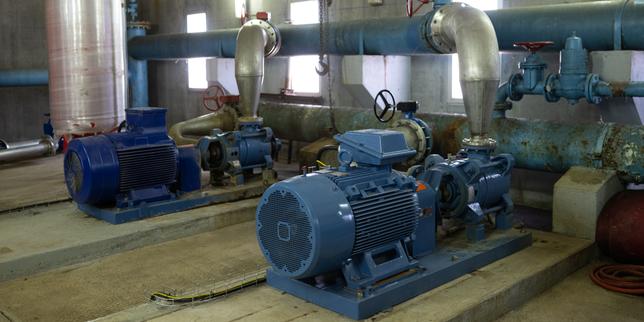
A report from an interministerial inspection mission, published on Thursday, outlines four scenarios for decontaminating drinking water. These scenarios address the removal of pesticide residues and per- and polyfluoroalkyl substances (PFAS). The estimated annual additional costs for these decontamination efforts range significantly. The lowest cost scenario is projected at €1.3 billion per year. However, the most comprehensive decontamination approach could reach an annual cost of up to €5.7 billion. This report highlights the substantial financial implications of ensuring safe drinking water free from these common contaminants.
The report quantifies the significant financial burden associated with addressing widespread water contamination from pesticides and PFAS. This analysis underscores the tension between public health imperatives and the economic realities of infrastructure upgrades. Future policy decisions will need to balance the immediate costs of remediation against the long-term health and environmental benefits, as well as consider the potential for technological innovation to reduce these expenses. The scale of the investment required suggests a need for robust public-private partnerships and potentially new funding mechanisms to manage these systemic challenges over the next decade.
AI-generated to prompt reflection — not editorial opinion, not advice, not a statement of fact. How this works.