Cleitinho Azevedo's Tumultuous Bid for Minas Gerais Governor Ends
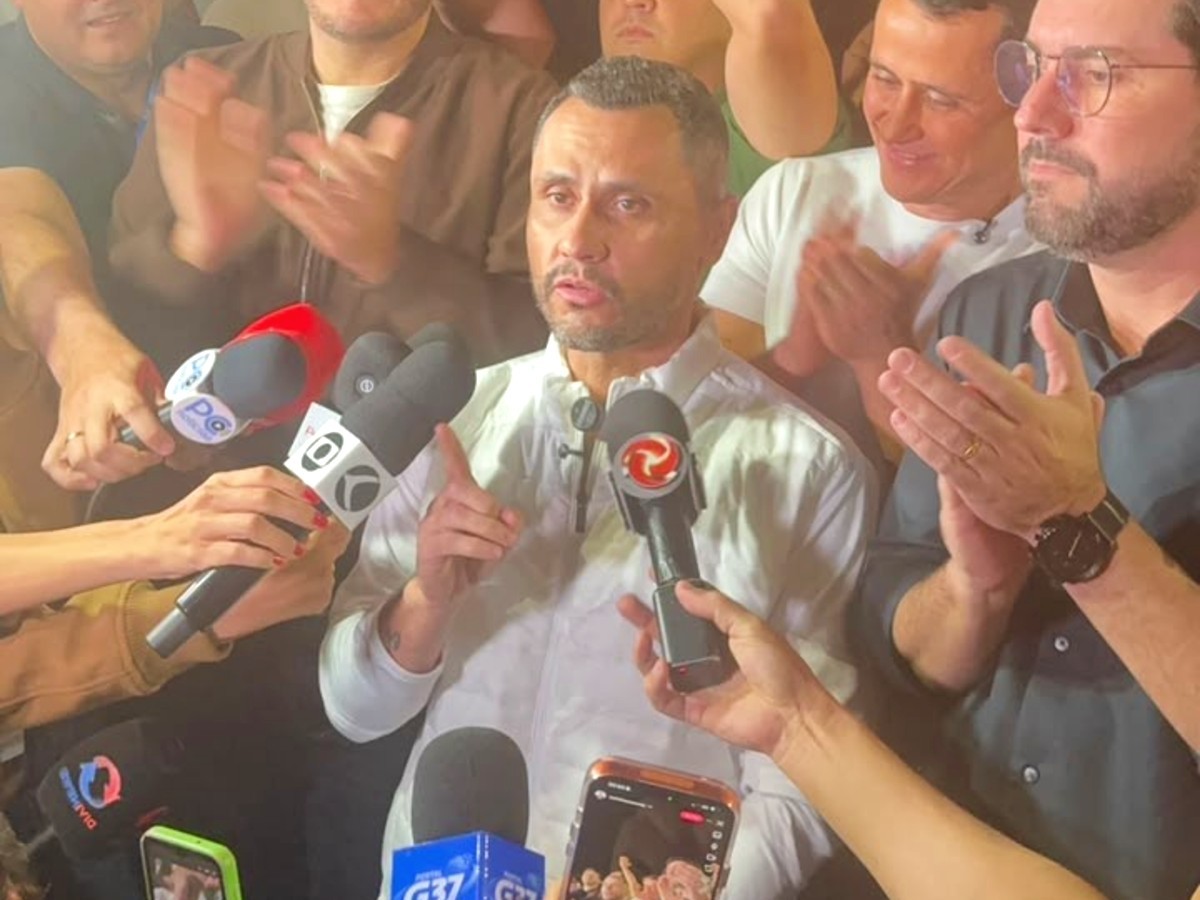
Senator Cleitinho Azevedo's potential candidacy for governor of Minas Gerais has been marked by significant indecision and public disagreements with his party, Republicanos. Launched as a pre-candidate in March, Azevedo oscillated between declaring his intention to run and signaling withdrawal. On August 4th, the national president of Republicanos, federal deputy Marcos Pereira, rejected Azevedo's final request to run for the state's governorship during the party's convention. Earlier, on March 2nd, Republicanos officially announced Azevedo's pre-candidacy, though he stated a final decision on the specific office would come by April. Despite rumors of withdrawal, Azevedo posted a video on April 1st asserting his candidacy, performing like a soccer player warming up. By April 4th, the party affiliation deadline passed, preventing him from switching parties. A Quaest poll in April showed him leading in all gubernatorial scenarios. On June 10th, Azevedo reiterated he would not withdraw but conditioned his candidacy on divine will and continued poll leadership, criticizing those who claimed he feared governing a "broken state." By July 8th, he suggested a decision might be postponed until August 5th, the final day for party conventions, while also criticizing his state party leader. The death of his younger brother, Matheus Azevedo, from leukemia on July 18th, deeply affected him, leading him to express he was not in a state of mind to campaign. He subsequently missed the Republicanos state convention on July 25th, an opportunity to formalize his candidacy. On July 28th, despite leading in a new Quaest poll, Republicanos began negotiating support for rival Marcelo Aro, deeming him a more competitive candidate. That same day, Azevedo released an AI-generated video featuring his deceased father and brother encouraging his candidacy. On July 29th, national president Marcos Pereira stated Azevedo would not run, a claim Azevedo's team initially refuted before he publicly apologized for his conduct and reaffirmed his intention to run, citing poll leadership and divine will. However, on August 3rd, Azevedo announced his withdrawal in a video with Pereira, who cited Azevedo's personal difficulties following his brother's death. Azevedo made a final plea at the Republicanos national convention on August 4th, claiming divine instruction to run, but Pereira denied the request, stating the convention was not for such deliberations and that ample opportunities had been given.
The protracted saga surrounding Senator Cleitinho Azevedo's gubernatorial bid highlights the complex interplay of personal circumstances, political strategy, and party dynamics within Brazil's electoral landscape. Azevedo's fluctuating commitment, despite consistent poll leadership, suggests a tension between perceived electoral viability and the personal or political costs of a demanding campaign. The use of AI-generated content featuring deceased relatives introduces novel ethical considerations regarding campaign messaging and emotional appeals. Furthermore, the Republicanos party's indecision, balancing support for a popular figure against potential alliances with more strategically aligned candidates, reflects the pragmatic calculations inherent in coalition politics. This situation underscores the challenges candidates face when navigating personal grief alongside intense political pressures, and the evolving methods by which political parties attempt to manage candidate selection and public perception in the digital age.
AI-generated to prompt reflection — not editorial opinion, not advice, not a statement of fact. How this works.
