Climate Change Alarms Alpine Ecosystems: Early Blooms and Shorter Hibernation
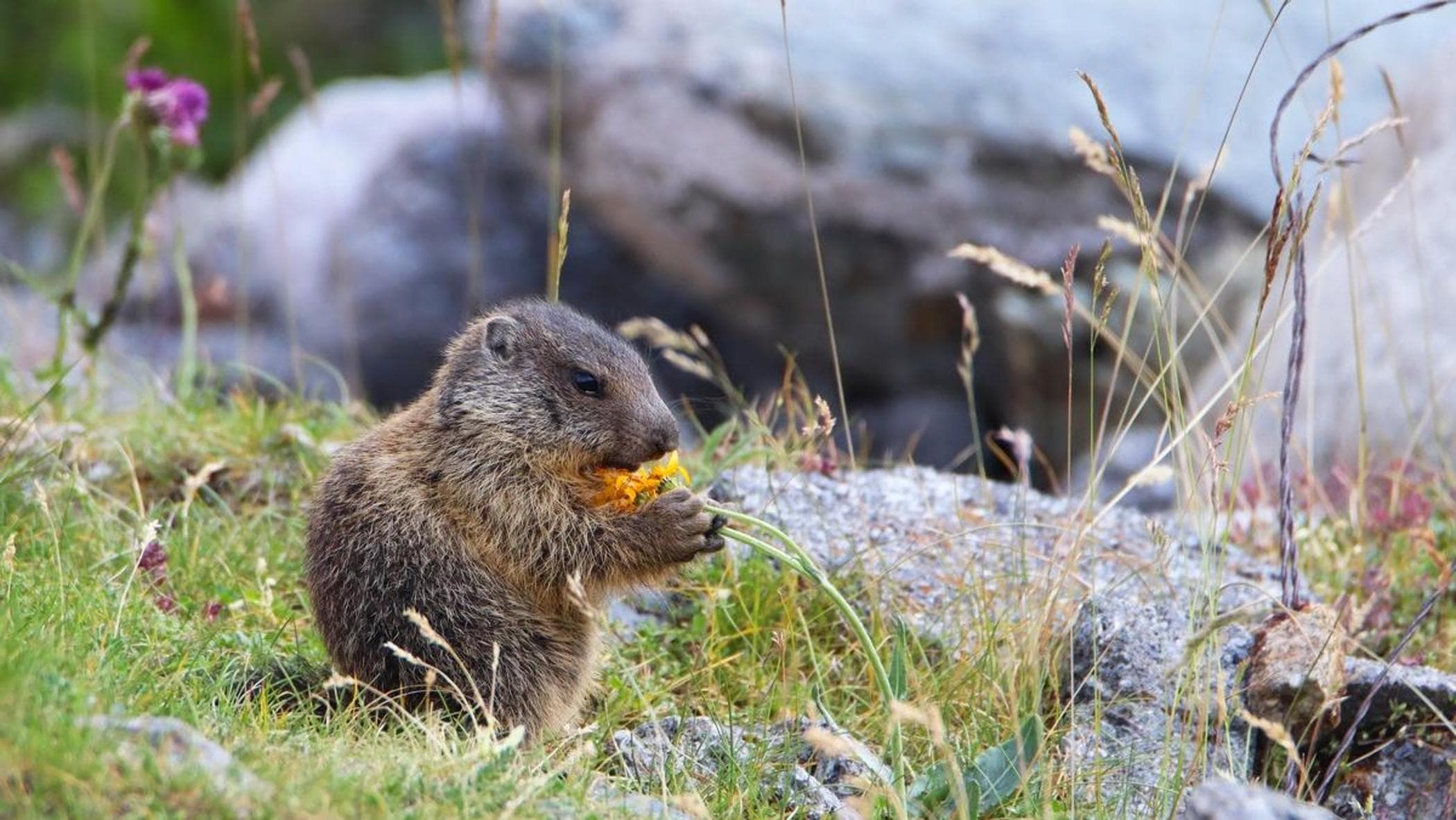
Significant temperature anomalies are impacting high-altitude flora and fauna in the Lombard Alps, according to alarmed experts. Rhododendrons have been observed blooming at an unprecedented 3,400 meters, a phenomenon directly linked to climate change. This warming trend is also affecting wildlife, with alpine marmots experiencing a shortened hibernation period. The alpine chough, a bird species native to these high mountains, is now at risk of extinction due to these rapid environmental shifts. These changes signal a broader ecological crisis unfolding in alpine regions, threatening biodiversity and the delicate balance of these unique ecosystems. The accelerated warming in mountain environments poses a severe threat to species adapted to colder climates, potentially leading to irreversible ecosystem damage. Conservation efforts are urgently needed to mitigate the impact of these climate-induced alterations on vulnerable alpine life.
The observed ecological shifts in the Lombard Alps, including early rhododendron blooms at extreme altitudes and shortened marmot hibernation, serve as stark indicators of accelerated climate change impacts on mountain environments. These anomalies highlight the vulnerability of specialized alpine species to rising global temperatures and altered seasonal patterns. The potential extinction risk for the alpine chough underscores the urgent need for adaptive conservation strategies that consider long-term climate projections. Understanding the complex interplay between temperature, vegetation cycles, and animal behavior is crucial for developing effective interventions to preserve alpine biodiversity in the face of ongoing environmental pressures.
AI-generated to prompt reflection — not editorial opinion, not advice, not a statement of fact. How this works.