Climate Change and Invasive Species Reshaping Austria's Natural Landscape
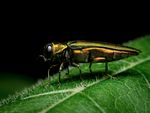
Austria's natural environment is undergoing rapid transformations due to climate change and the proliferation of non-native species. Zoologist Nikolaus Szucsich highlights these significant shifts, noting the arrival of the Asian tiger mosquito as a prime example. This invasive insect's presence indicates a broader trend of species migration and establishment, often facilitated by changing climatic conditions. Concurrently, native species are facing increasing pressure, with some, like certain fruit flies in Vienna, experiencing a decline or displacement. Szucsich's observations underscore the challenges these changes pose to biodiversity and ecosystem stability within Austria. The interaction between a warming climate and the introduction of foreign species creates a complex dynamic, pushing native flora and fauna to their limits. Understanding these processes is crucial for developing effective conservation strategies in the face of ongoing environmental alterations.
The observed changes in Austria's biodiversity, marked by the arrival of species like the Asian tiger mosquito and the decline of native insects, reflect broader global trends driven by climate change and increased global trade. These phenomena present a dual challenge: adapting to new ecological conditions and mitigating the impacts of invasive species on native ecosystems. From a systems perspective, the interconnectedness of climate, trade, and biodiversity means that localized events have far-reaching implications for ecosystem resilience and public health. Future policy responses will likely need to integrate climate adaptation measures with robust biosecurity protocols to manage the long-term consequences of these environmental shifts.
AI-generated to prompt reflection — not editorial opinion, not advice, not a statement of fact. How this works.