Climate Change Disrupts Traditional Farming Calendars in Gabon
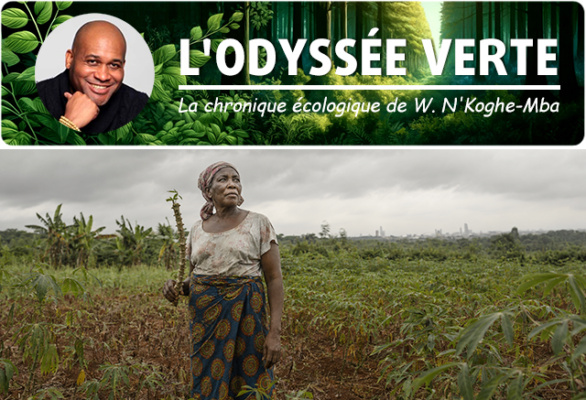
Farmers in Libreville, Gabon, are observing significant shifts in traditional agricultural seasons, rendering the long-standing planting calendars unreliable. The established schedules for cultivating crops like cassava, bananas, and sorrel no longer accurately predict optimal planting times. This phenomenon, highlighted in a report by Gabon 24 and further explored through the insights of biologist Olivier Hamant, is causing considerable uncertainty for agricultural communities. The disruption suggests a broader ecological transformation is underway, impacting the predictable rhythms of nature that have guided farming practices for generations. This disconnect between historical knowledge and current environmental realities poses a direct challenge to food security and traditional livelihoods in the region. The situation underscores the urgent need to adapt agricultural strategies to a changing climate. As seasons become unpredictable, farmers face difficulties in planning and resource management, potentially leading to reduced yields and economic hardship. The article points to a growing need for scientific understanding and practical solutions to navigate these ecological and social transformations.
The observed unreliability of traditional agricultural calendars in Libreville, Gabon, due to climate change, illustrates a systemic challenge where historical environmental data is becoming obsolete. This disconnect between established practices and current ecological realities necessitates a re-evaluation of agricultural planning and resource management. The situation highlights the vulnerability of communities dependent on predictable seasonal patterns to the accelerating impacts of global climate shifts. Future agricultural strategies will likely require integration of advanced climate modeling and adaptive techniques to ensure food security and economic stability, moving beyond reliance on ancestral knowledge alone. This transition presents both a challenge and an opportunity for innovation in sustainable farming practices within the next decade.
AI-generated to prompt reflection — not editorial opinion, not advice, not a statement of fact. How this works.