Climate Change Fueled Record Spanish Wildfires in Hottest July
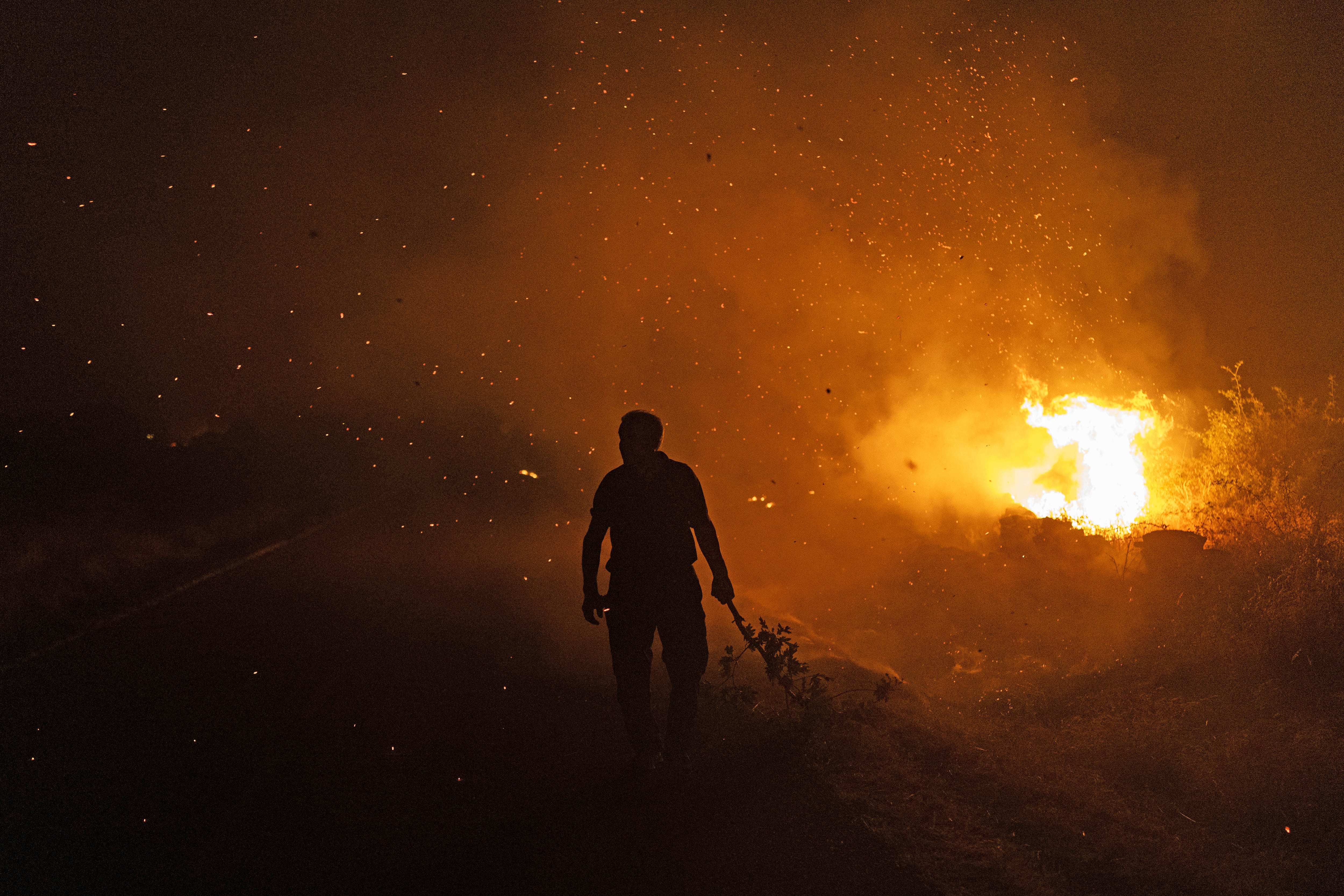
Spain experienced record-breaking wildfires in July, exacerbated by extreme weather conditions directly linked to global warming. A new study indicates that the meteorological conditions fueling these fires were 20 times more probable due to climate change. This July was the hottest ever recorded in Spain, creating a tinderbox environment across the country. The intense heatwaves and dry spells provided ideal conditions for fires to ignite and spread rapidly. These fires have had devastating consequences, impacting ecosystems, communities, and the economy. The findings underscore the urgent need to address climate change and implement more effective wildfire prevention and management strategies. The study's methodology highlights the quantifiable impact of rising global temperatures on the frequency and intensity of such extreme weather events. This situation serves as a stark warning about the escalating risks posed by climate change.
The extreme weather events driving Spain's July wildfires, which were found to be 20 times more likely due to global warming, highlight a critical feedback loop between climate change and natural disasters. As global temperatures rise, the frequency and intensity of heatwaves and droughts are expected to increase, creating conditions ripe for severe wildfires. This pattern poses significant challenges for land management, resource allocation, and public safety infrastructure, particularly in regions susceptible to such events. Future policy must consider not only immediate disaster response but also long-term adaptation strategies, including sustainable land use and robust climate mitigation efforts, to build resilience against the escalating impacts of a warming planet.
AI-generated to prompt reflection — not editorial opinion, not advice, not a statement of fact. How this works.