Climate Change Fuels Forest Fires Through Heat and Drought
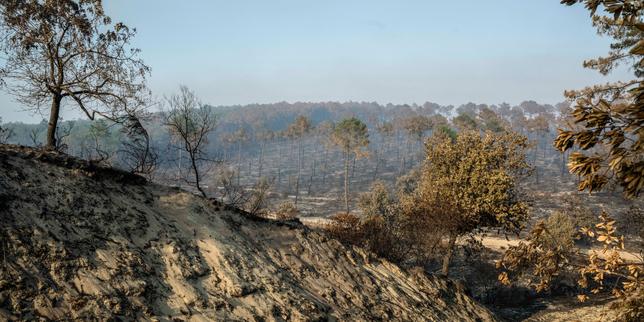
Rising global temperatures, persistent droughts, and warmer nights, exacerbated by significant greenhouse gas and aerosol emissions, are collectively increasing the risk of devastating forest fires. This cumulative effect of climate change creates a more volatile environment for woodlands worldwide. The relentless heat and lack of moisture make forests more susceptible to ignition and rapid spread of flames. These conditions are not isolated incidents but represent a growing trend driven by anthropogenic climate change. The atmospheric conditions fostered by global warming provide the perfect tinderbox for wildfires. Addressing the root causes of climate change is therefore crucial to mitigating the escalating threat to forest ecosystems. Without significant intervention, the frequency and intensity of these fires are expected to continue their upward trajectory.
The escalating frequency and intensity of forest fires are directly linked to the cumulative impacts of climate change, including prolonged heatwaves and droughts. These environmental shifts, driven by greenhouse gas emissions, create conditions that significantly amplify fire risk. From a systemic perspective, this highlights a critical feedback loop where warming leads to more fires, which in turn can release further emissions, accelerating the climate crisis. Future mitigation strategies must address both the immediate drivers of fire risk and the underlying anthropogenic causes of climate change to foster greater ecological resilience.
AI-generated to prompt reflection — not editorial opinion, not advice, not a statement of fact. How this works.
