Climate Change Fuels Urban Flooding in Santiago
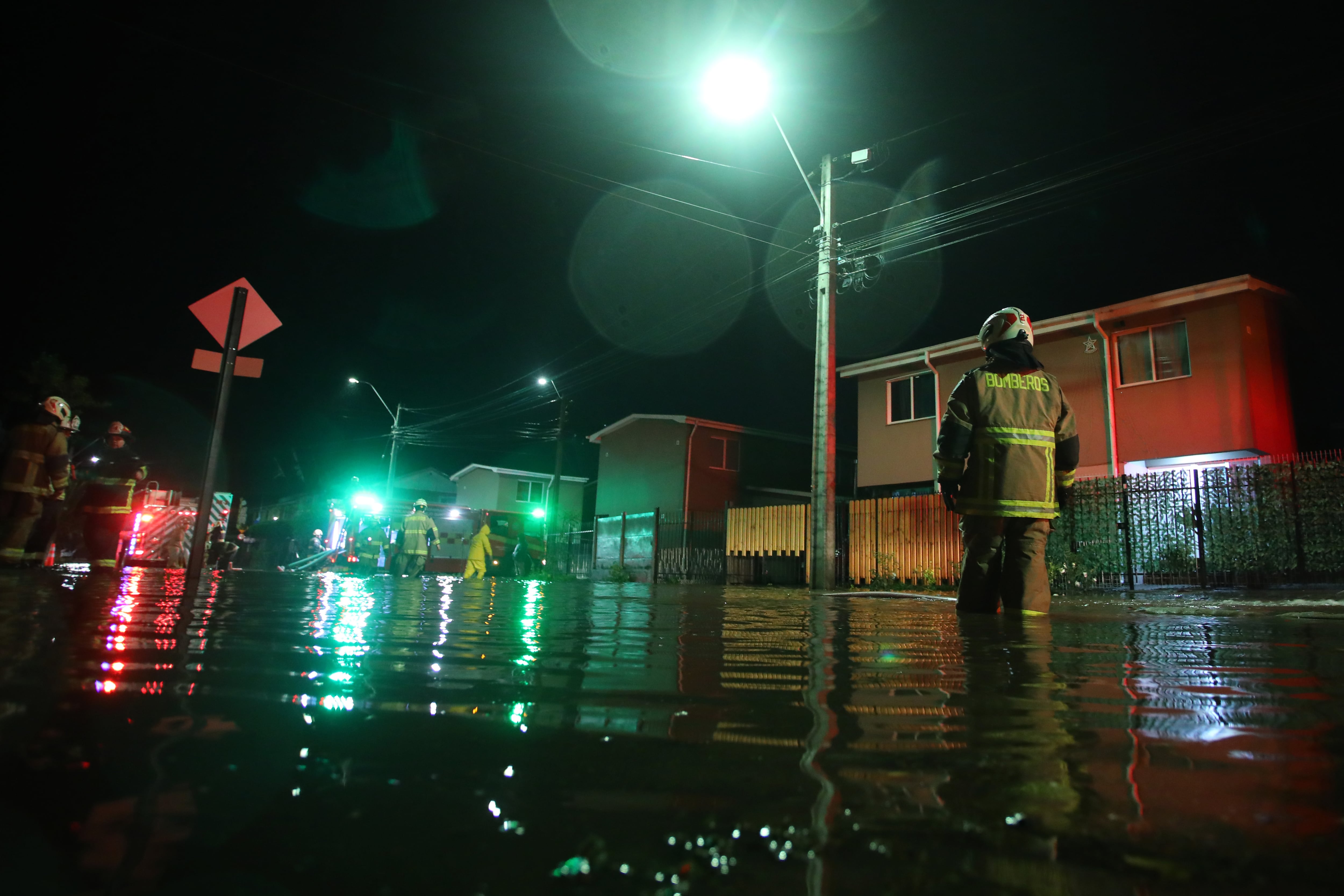
Santiago, Chile, is grappling with the dramatic impact of climate change, as intense rainfall events overwhelm the city's infrastructure. These extreme weather patterns, characterized by heavy precipitation over short periods, are becoming the new urban reality. Traditionally, flood risk was seen as a result of extraordinary storms, but the source material emphasizes that the city's physical configuration significantly amplifies these effects. Decades of urban development have replaced natural environments with "gray infrastructure," including channeled streams, extensive paving, reduced vegetation, and dense construction without adequate water infiltration mechanisms. This has created a vast impermeable system where every square meter accelerates surface runoff, overwhelming a drainage network designed for a different climate. A recent study by Corporación Ciudades reveals that seven out of ten residents in Greater Santiago live in areas with above-average flood susceptibility. This risk is disproportionately concentrated in the southern and western communes, exacerbating existing inequities. The report concludes that no drainage network can handle increasingly intense rainfall, necessitating a shift towards slowing down water before it reaches collectors. The concept of a "sponge city," incorporating features like rain gardens, permeable pavements, urban wetlands, floodable parks, and green corridors, is transitioning from an environmental aspiration to critical infrastructure. These elements act as temporary storage systems, reducing peak flows, increasing infiltration, and partially restoring the hydrological cycle disrupted by urbanization, urging a return of space to water in accordance with geography and the new climate reality.
The intense rainfall events in Santiago highlight a critical infrastructure challenge amplified by climate change and urban planning decisions. The "gray infrastructure" approach, prioritizing impervious surfaces and channelization, has demonstrably reduced the urban environment's capacity to absorb and manage water. This creates a systemic vulnerability where the city's design itself contributes to flood risk, disproportionately affecting lower-income areas. The proposed "sponge city" solutions represent a necessary paradigm shift, moving towards nature-based infrastructure that can mitigate extreme weather impacts. This transition requires significant investment and a long-term strategic vision to rebalance urban development with ecological resilience. The challenge lies in integrating these permeable systems at scale within an established urban fabric, necessitating policy changes and potentially re-evaluating land-use regulations to accommodate the increased infiltration and temporary water storage required by a changing climate.
AI-generated to prompt reflection — not editorial opinion, not advice, not a statement of fact. How this works.