Climate Change Multiplied Spain's Extreme Fire Risk by 20, Study Finds
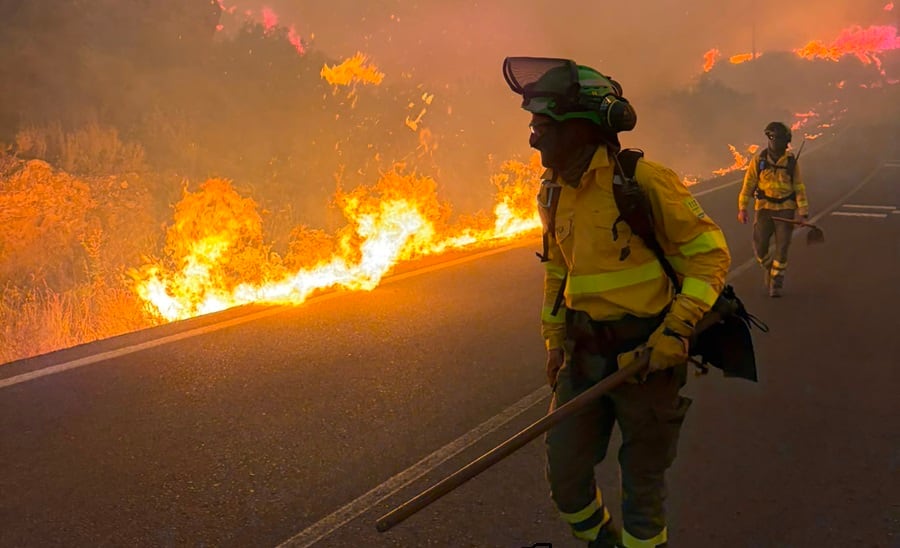
A scientific study by the World Weather Attribution group has determined that climate change increased the risk of extreme fires in Spain by at least 20 times. The report highlights that under current climatic conditions, the factors contributing to fire propagation in the central Iberian Peninsula could now occur as frequently as every six years. This significant increase in risk underscores the direct link between global warming and the heightened severity of wildfires experienced in the region. The findings suggest a critical need for enhanced climate mitigation and adaptation strategies to address the growing threat of extreme weather events.
This study quantifies the amplified risk of extreme wildfires in Spain due to climate change, indicating a substantial increase in the probability of conducive conditions occurring. The findings suggest that historical fire patterns are no longer a reliable predictor of future events, necessitating a re-evaluation of risk assessment and management strategies. The accelerated frequency of extreme fire conditions, now potentially occurring every six years, points to systemic vulnerabilities exacerbated by a warming climate. This highlights the urgent need for policy interventions focused on both reducing greenhouse gas emissions and improving land management practices to build resilience against escalating climate-related hazards.
AI-generated to prompt reflection — not editorial opinion, not advice, not a statement of fact. How this works.
