Climate Change Poses Risks to Pregnancy in Kenya's Kilifi County
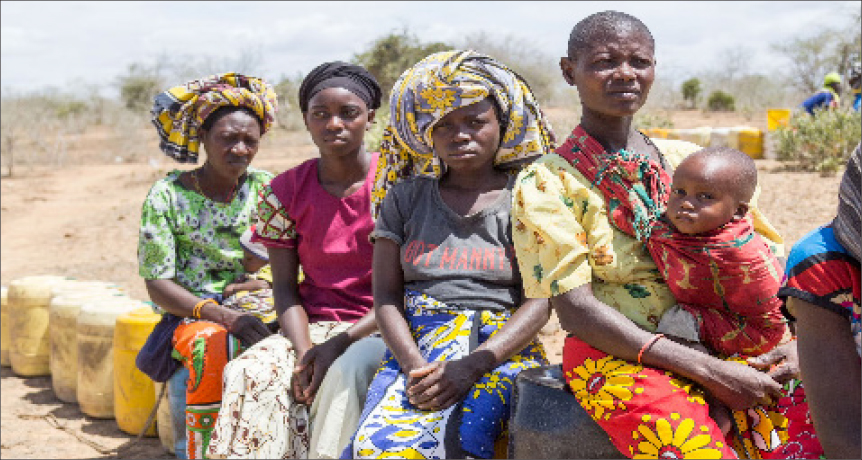
Kilifi County, located on Kenya's coast, is experiencing the severe impacts of climate change, including rising temperatures, frequent flash floods, and prolonged droughts. These environmental shifts, exacerbated by deforestation, are a significant threat to the region's food security and overall human health. The extreme weather conditions pose particular risks to pregnant individuals, highlighting a critical intersection of climate vulnerability and reproductive health. The semi-arid region is seeing a notable increase in the frequency and intensity of these climate-related events. This situation underscores the broader global challenge of adapting to a changing climate, especially in regions disproportionately affected by its consequences. The health implications for expectant mothers and their unborn children are a growing concern in Kilifi and similar vulnerable areas worldwide. The interconnectedness of environmental degradation and human well-being is starkly evident in this coastal county.
The escalating frequency of extreme weather events in Kilifi County, Kenya, driven by climate change and deforestation, presents a clear public health challenge, particularly for pregnant populations. This situation highlights the systemic vulnerability of regions facing environmental degradation, where basic resources like food security are compromised, and health outcomes are directly impacted. The analysis of such events necessitates a focus on adaptive strategies and public health infrastructure designed to mitigate climate-related risks to maternal and child health. Future policy interventions should consider the long-term implications of climate change on reproductive health, emphasizing resilience and equitable access to healthcare in vulnerable communities. This scenario serves as a case study for understanding the cascading effects of environmental instability on human well-being, urging proactive measures to safeguard populations against predictable climate-induced health crises.
AI-generated to prompt reflection — not editorial opinion, not advice, not a statement of fact. How this works.