Climate Change's Impact on Hair: Expert Tips and Product Solutions
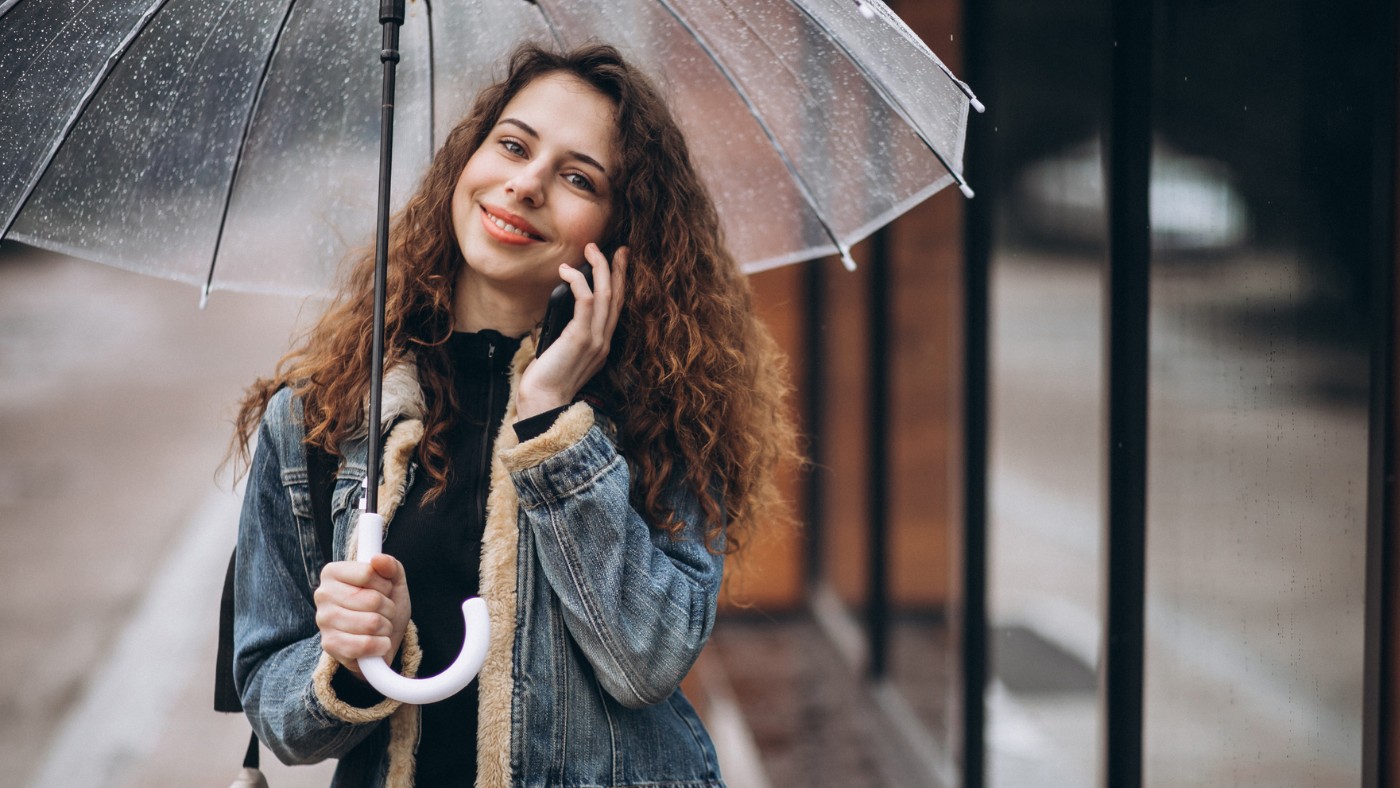
Changing weather patterns, characterized by rain, wind, and fluctuating humidity, significantly affect hair's appearance and manageability. These environmental shifts can lead to increased frizz, dryness, loss of shine, and difficulty in styling. Hair acts as a fiber that constantly exchanges moisture with its surroundings; high humidity causes it to absorb water, altering its structure and leading to expansion, particularly in porous, curly, or chemically treated hair. Wind exacerbates this by increasing friction between strands, lifting cuticles and creating a rougher surface, making it hard to maintain hairstyles. Cold weather, often combined with hot showers and dry indoor air, can further dehydrate hair, reducing its softness and natural elasticity. The article emphasizes that these effects are often natural responses to environmental conditions rather than inherent hair problems.
To combat these issues, a proactive approach involving strengthening the hair fiber and creating a protective barrier is recommended. The brand H2O Evolution offers specialized product lines designed to address these challenges. Their 'Blindagem' line aims to minimize the impact of humidity and environmental aggressors, keeping hair aligned and reducing frizz. For dryness and dullness common in colder months, the 'Intense Coco' line provides nourishment to restore softness and flexibility. The 'Nutri Ceramidas' line strengthens the hair fiber by replenishing essential structural components, enhancing resistance to external factors. Finally, the 'Brilho Extremo' line helps to smooth the hair's surface, control flyaways, and restore luminosity.
Beyond product use, certain habits can help maintain hair health. Avoiding going out with damp hair, ensuring hair is fully dry before exposure to harsh weather, and using a cool shot on the hairdryer to seal cuticles are beneficial. Carrying a finishing product for touch-ups is also advised. Ultimately, preparing hair through consistent strengthening and protection during washing and styling routines makes it more resilient to sudden climate changes, ensuring it remains healthy, shiny, and less frizzy.
The article highlights the physiological interaction between atmospheric conditions and hair structure, framing it as a natural phenomenon influenced by humidity, wind, and temperature. It promotes a consumer-driven solution through specialized hair care products, suggesting that external interventions can mitigate these environmental effects. This perspective, while practical for consumers, implicitly places the onus on individual hair management rather than exploring broader environmental or public health dimensions of climate variability. The emphasis on product efficacy for managing hair's response to weather shifts underscores the market's role in addressing lifestyle impacts of environmental change, potentially diverting attention from systemic factors influencing climate patterns themselves. Consumers are encouraged to adopt preventative routines and product-based defenses to maintain aesthetic standards amidst fluctuating external conditions.
AI-generated to prompt reflection — not editorial opinion, not advice, not a statement of fact. How this works.