Climate Change Threatens Amazon Plants Vital for Indigenous Peoples, Study Warns
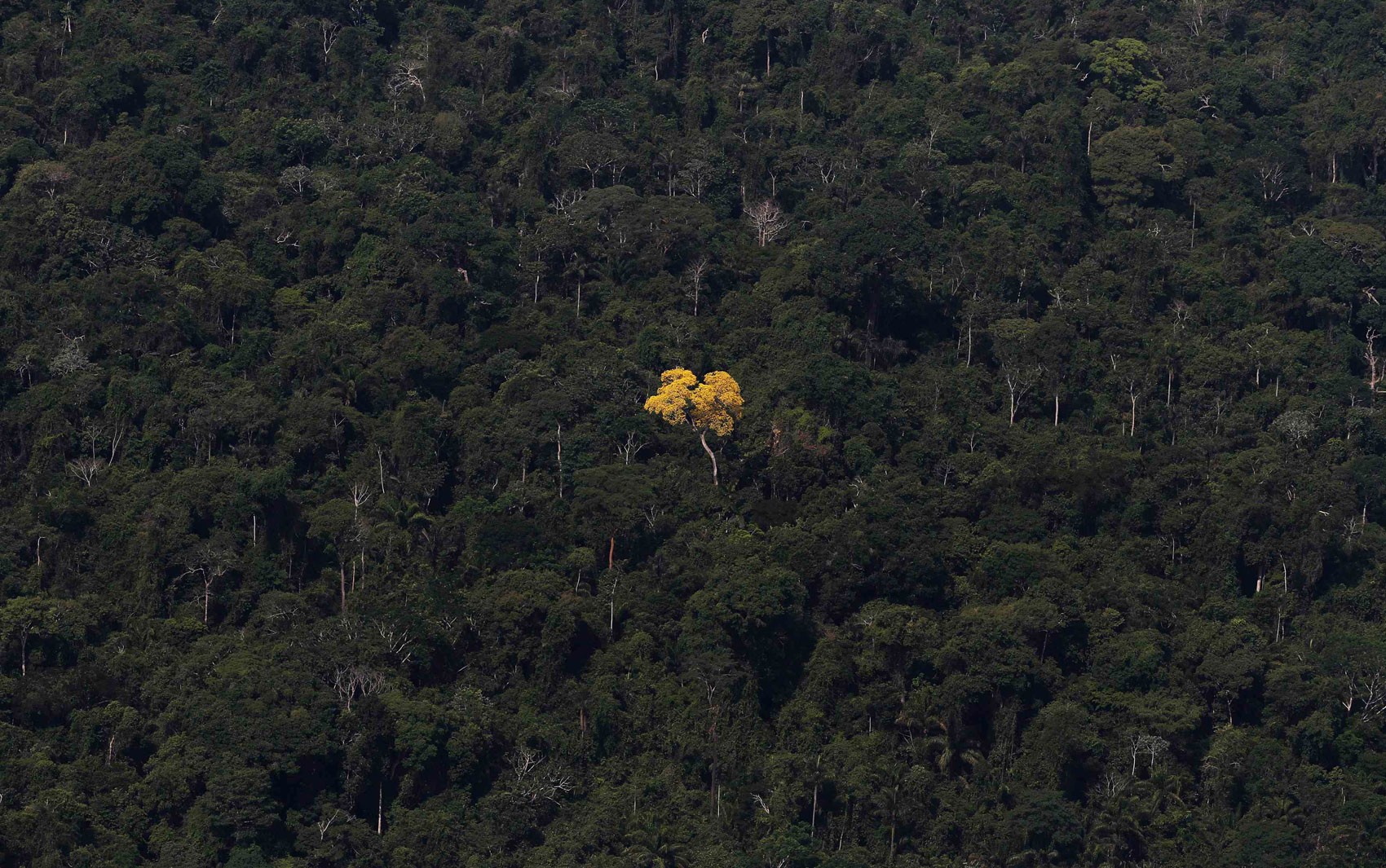
A new study published in the scientific journal "Nature" indicates that climate change could lead to the local extinction of up to 34% of the plants utilized by Indigenous peoples in the Amazon region between 2060 and 2080. This potential loss of plant species poses a significant threat to traditional practices related to food, medicine, construction, rituals, and daily life. Researchers project that between 18% and 23% of the documented uses for these plants may disappear from these communities. Furthermore, the study highlights the risk of losing Indigenous languages, which could result in the Amazon losing 26% of its documented knowledge about plants and their functions if these endangered languages cease to be spoken. The research compiled data from 90,536 records across 700 sources published between 1504 and 2023, covering all Amazon Basin countries and 156 Indigenous languages. It identified at least 5,796 native plant species used by regional populations, representing over a third of known seed-bearing plants in the Amazon, with uses ranging from food and medicine to tools, housing materials, fuel, clothing, and cultural items. Medicinal plants were particularly prominent, with 3,862 species documented for health treatments, more than double the 1,804 species linked to food. Indigenous populations hold the majority of this knowledge, having recorded uses for 4,305 species, four times more than non-Indigenous groups in the study. A significant portion of this knowledge, approximately 74% of recorded uses, is specific to a single culture, making it exceptionally vulnerable.
This study reveals a critical intersection of climate change, biodiversity loss, and cultural heritage in the Amazon. The projected decline in plant species directly impacts the subsistence and cultural practices of Indigenous communities, underscoring the interconnectedness of ecological and human systems. The potential loss of plant knowledge, exacerbated by the endangerment of Indigenous languages, highlights a systemic vulnerability where cultural transmission pathways are threatened by environmental and linguistic shifts. Future policy and conservation efforts must integrate Indigenous knowledge systems and support linguistic diversity as essential components of ecological resilience. The long-term implications suggest that safeguarding biodiversity also requires robust strategies for cultural preservation, recognizing that the loss of one often accelerates the loss of the other.
AI-generated to prompt reflection — not editorial opinion, not advice, not a statement of fact. How this works.