Climate Crisis Prompts 34% of Campinas Youth to Reconsider Parenthood
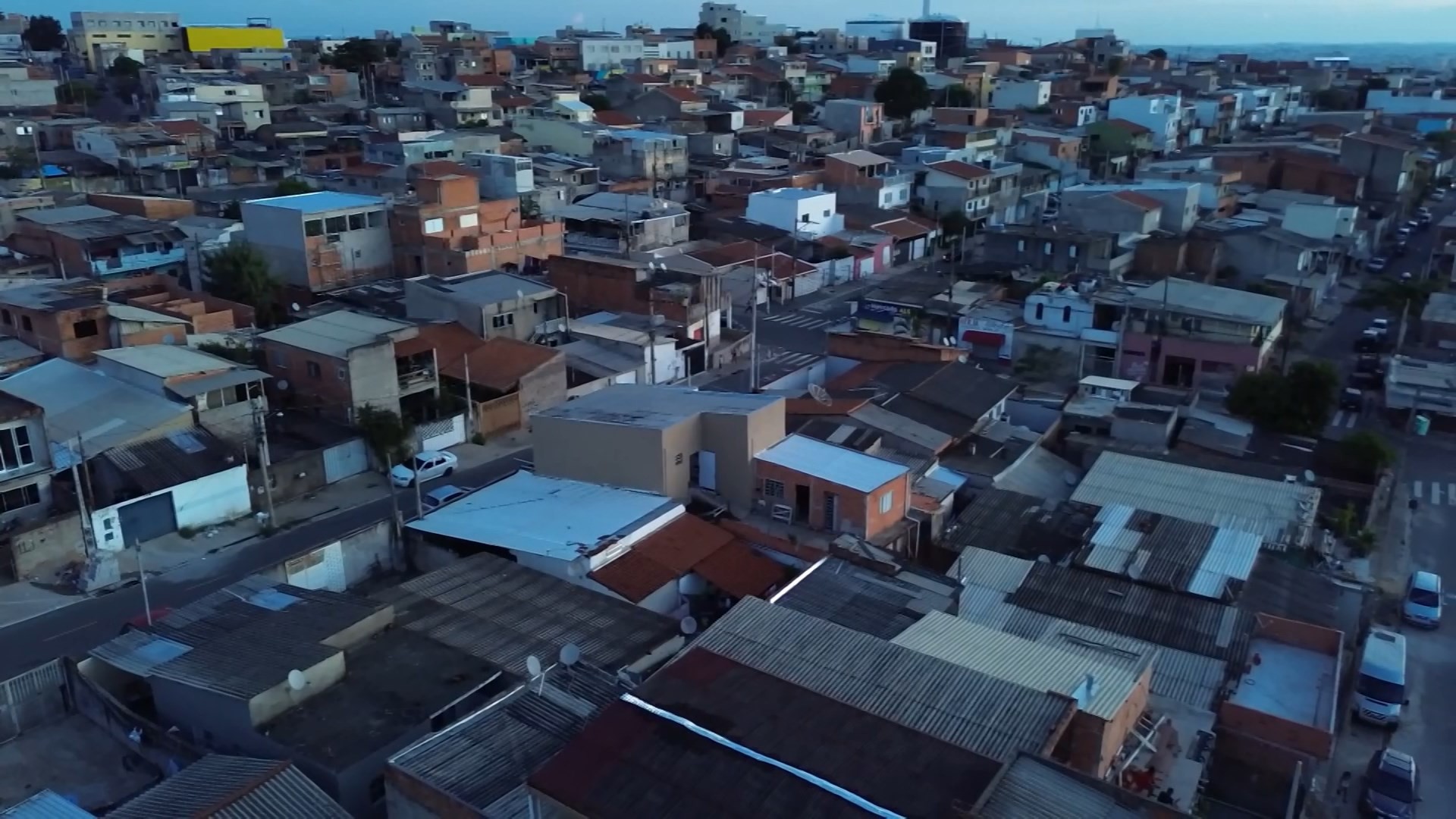
A recent study in Campinas, São Paulo, Brazil, reveals that the climate crisis is significantly impacting the life plans of young people. The research, which surveyed 600 individuals, found that 58% of respondents believe climate change influences their future expectations. Notably, 34% of these young adults are reconsidering their desire to have children due to the escalating environmental challenges.
The study, part of the "Youth, Race, and Climate Change in Campinas" (Jucamp) project, highlights how daily life is affected by climate shifts. Many experience disruptions to urban infrastructure and mobility, with 75% reporting power outages during windstorms, 73% facing difficulties with bus transportation during heavy rain, and 70% experiencing internet outages due to weather events. Furthermore, 69% report academic or professional setbacks, and the same percentage frequently miss or are late for appointments because of storms or extreme heat.
Organizers emphasize that the climate crisis exacerbates existing infrastructure deficits, particularly in vulnerable areas. A significant 68% of participants believe that the impacts of climate change are felt differently by poorer and wealthier populations. The lack of basic services like reliable electricity and internet, coupled with inadequate climate adaptation in schools, hinders educational and professional development in peripheral communities. Perceptions of impact also vary geographically within Campinas, with the North region showing higher rates of mental health and future expectation impacts, while the Northwest region experiences more frequent road closures due to flooding.
This research highlights a growing intergenerational concern linking environmental degradation to fundamental life choices. The data suggests that the tangible impacts of climate change, such as infrastructure failures and mobility disruptions, are not abstract future threats but present-day obstacles to personal development and well-being. This perception, particularly among youth in vulnerable urban areas, underscores a systemic failure to provide resilient public services and equitable environmental protection. The findings prompt consideration of how municipal and national governance structures can proactively integrate climate adaptation and mitigation strategies into urban planning, not only to protect infrastructure but also to safeguard individual aspirations and reduce climate-induced inequalities. Future policy must address the psychological and practical burdens placed on younger generations, ensuring their ability to plan for the future is not perpetually undermined by environmental instability.
AI-generated to prompt reflection — not editorial opinion, not advice, not a statement of fact. How this works.