Climate Disasters Highlight Urgent Need for Prevention and Preparedness
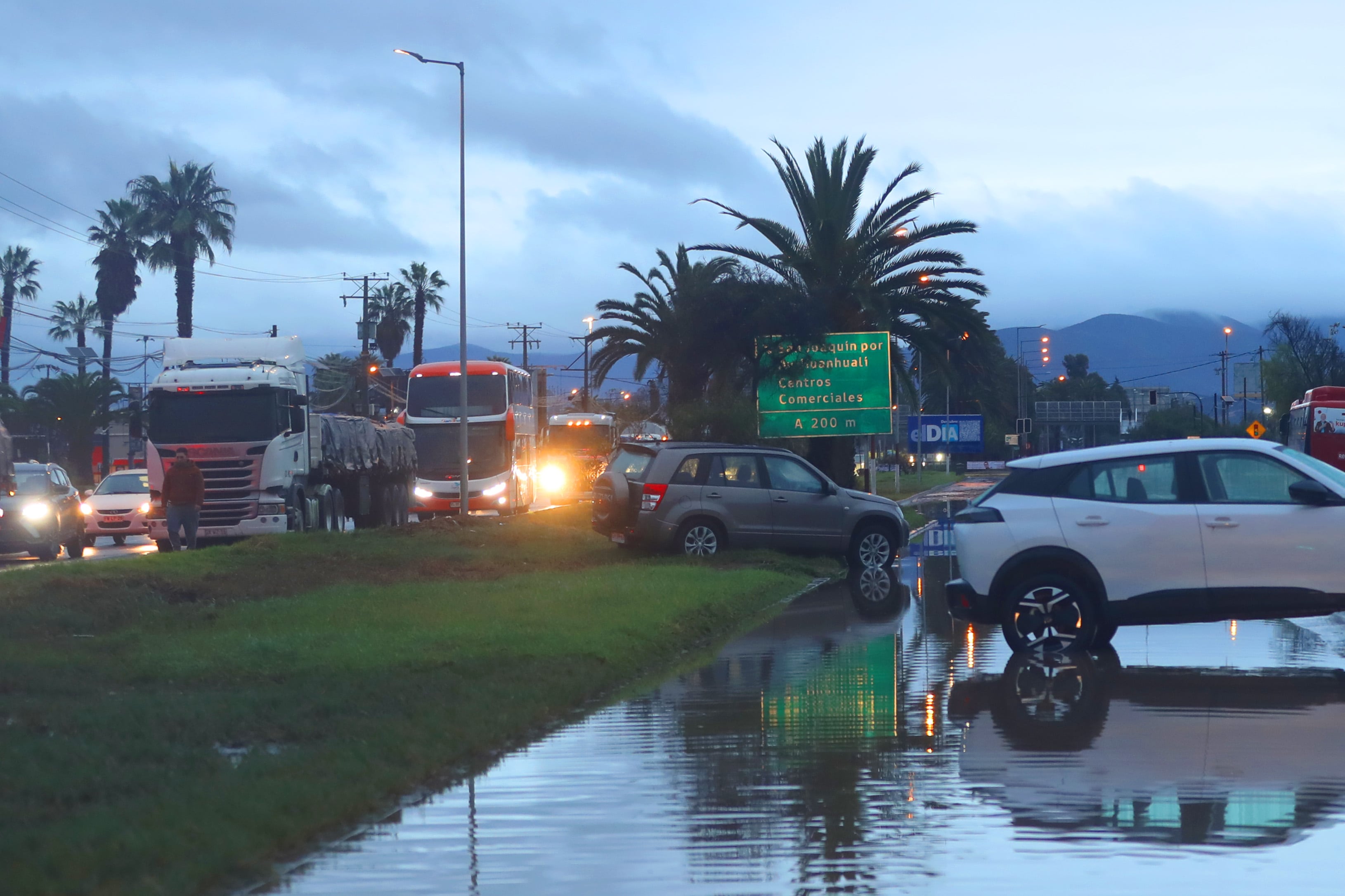
Recent climate-related catastrophes, including massive fires in Europe and Canada, floods in China, and severe rainfall in Chile, align with climate model predictions of increasingly frequent extreme weather events. A common thread across these disasters is a significant lack of preparedness to mitigate their impacts. Chile's experience with recent heavy rains, which caused less disruption in Santiago compared to the 1980s due to investments in infrastructure like rainwater collectors and preventive channel cleaning, contrasts sharply with events in other regions. These other areas suffered greatly due to construction in high-risk zones, such as near historically dry watercourses or avalanche-prone areas, highlighting that effective disaster response relies more on robust institutions, regulations, and preventive investments than solely on emergency services.
The article points out that while Chile has faced significant rainfall events before, the consequences have varied. Santiago's improved resilience is attributed to infrastructure upgrades, whereas other regions, like Coquimbo and La Serena, experienced severe flooding and avalanches due to inadequate infrastructure in desert areas not designed for intense precipitation. This situation is exacerbated by building codes that fail to account for natural risks, leading to construction in flood-prone lowlands. Scientific consensus indicates that climate change will increase the frequency and intensity of extreme events globally, including heatwaves, torrential rains, and storm surges, with projections for Chile showing an increase in these phenomena.
There is an urgent call for the state to lead national and regional efforts to identify vulnerable areas and activities, prioritize investments, and develop and enforce regulations to address these risks. While acknowledging the financial challenges and the need for resource reallocation, the author stresses that initiating long-term prevention programs is crucial to avoid recurring and worsening disasters. A first step would involve establishing a preventive program to identify and prioritize investment projects and regulatory adjustments, utilizing regional and central government development funds across various ministries and services. Without such measures, repeated crises are inevitable, with escalating severity and frequency.
The recurring extreme weather events underscore a systemic challenge in adapting infrastructure and urban planning to predicted climate shifts. While emergency response capabilities are vital, the analysis emphasizes that long-term resilience hinges on proactive governance, including robust land-use regulations and strategic infrastructure investment. The economic framing suggests that the cost-benefit analyses for infrastructure projects must more accurately incorporate the escalating risks associated with climate change. Future-proofing development requires anticipating the increased frequency and intensity of natural phenomena, moving beyond reactive measures to embed climate resilience into the core of policy and investment decisions. This necessitates a forward-looking approach that prioritizes preventative measures and regulatory enforcement to mitigate future economic and social damages.
AI-generated to prompt reflection — not editorial opinion, not advice, not a statement of fact. How this works.