Climate, Fires, Nuclear: A Devastating Summer Exposes Political Ecology's Setbacks
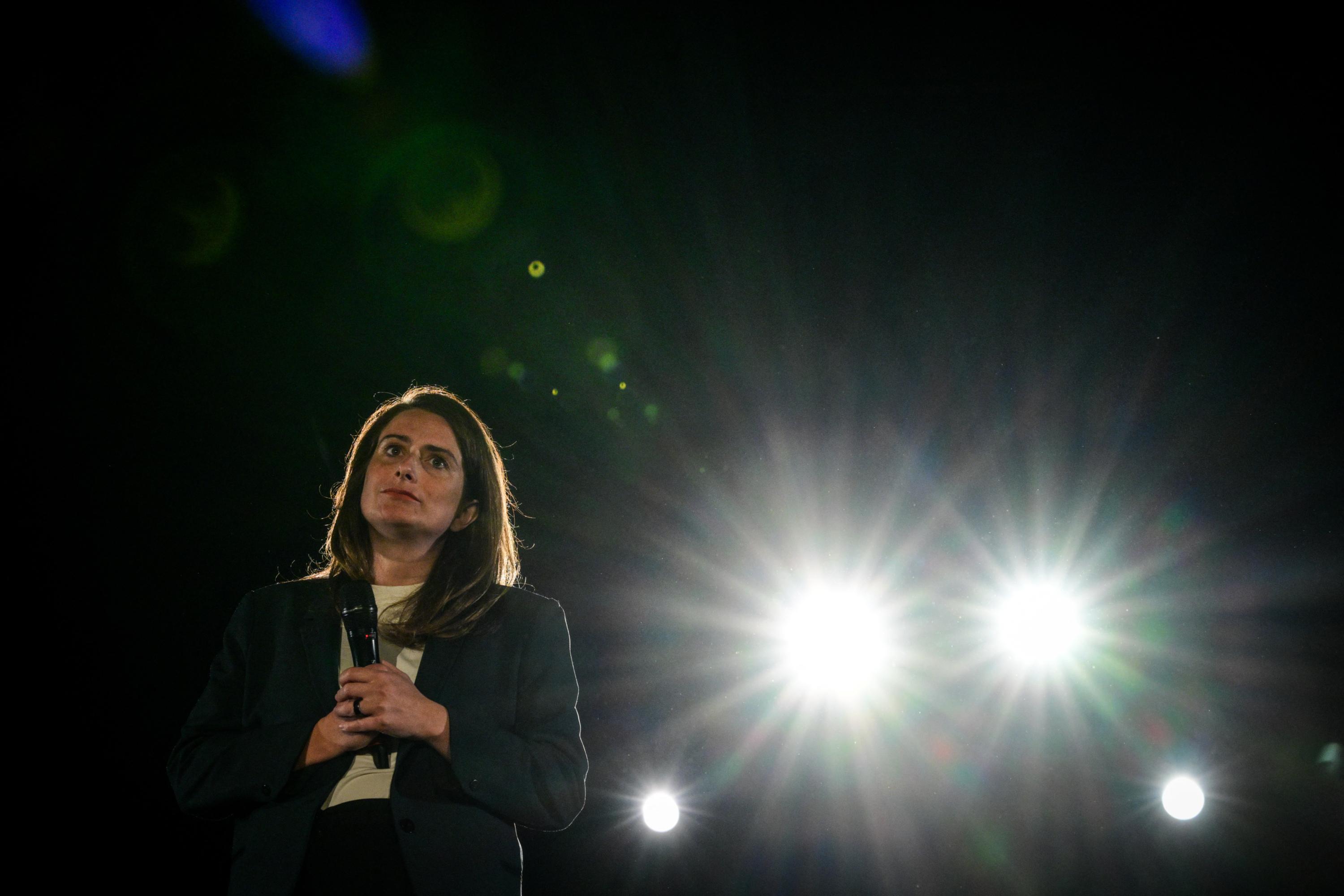
This summer's extreme weather events, including widespread fires and high temperatures necessitating extensive air conditioning use, have been framed by some as a failure of political ecology. Marine Tondelier, along with the NGO Oxfam, has metaphorically labeled political opponents and the president of TotalEnergies as "pyromaniacs" in response to the escalating crises. The "mega-fires" that have ravaged the country serve as a stark backdrop to these accusations. The intense heat has also led to increased reliance on air conditioning, highlighting energy consumption challenges. The mention of nuclear power suggests ongoing debates about energy sources in the context of climate change. This period has underscored significant challenges and criticisms faced by environmental movements in France.
The intense summer heat and associated "mega-fires" have intensified public discourse on climate change and environmental policy in France. The use of strong, accusatory language by figures like Marine Tondelier and organizations like Oxfam, targeting political opponents and corporate leaders, reflects a heightened sense of urgency but also risks alienating potential allies and oversimplifying complex systemic issues. While the "pyromaniac" metaphor conveys a powerful emotional message about perceived inaction or harmful policies, it may obscure the intricate interplay of economic incentives, regulatory frameworks, and technological limitations that shape energy and climate strategies. Moving forward, a more nuanced approach that focuses on constructive policy dialogue, technological innovation, and equitable transition pathways will be crucial for addressing the multifaceted challenges of climate change and ensuring long-term sustainability.
AI-generated to prompt reflection — not editorial opinion, not advice, not a statement of fact. How this works.