Climate Loss and Damage Fund Board Delays Decisions Amid High Demand
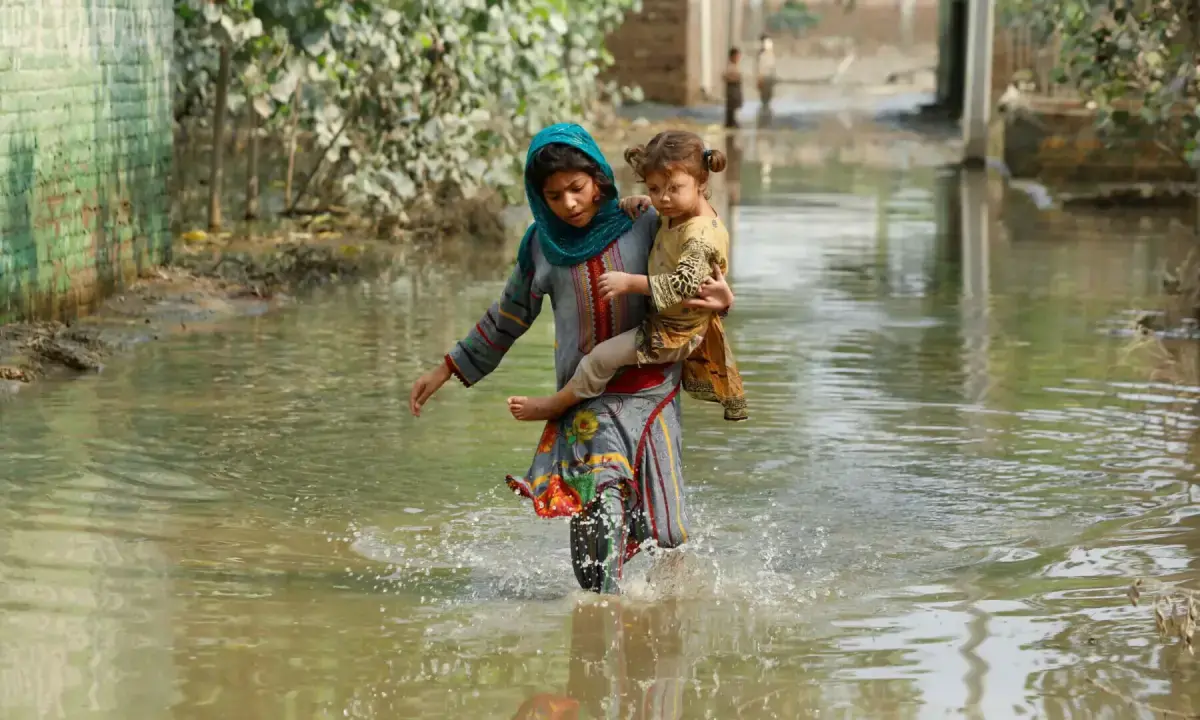
The Fund for Responding to Loss and Damage (FRLD) board has postponed funding decisions until December 2026, citing an overwhelming number of proposals and limited financial resources. The board's ninth meeting, held in Manila from July 8-10, concluded without approving any significant funding, drawing criticism from civil society groups concerned about the slow pace and lack of transparency. Established in 2022 and operationalized in 2023, the Fund received 176 proposals from 119 developing countries requesting a total of $2.8 billion, significantly exceeding the initial $250 million allocated for disbursement under its two-year pilot phase, known as the Barbados Implementation Mechanism (BIM). Pakistan has submitted three proposals, including projects focused on agriculture, climate-resilient health systems in Balochistan, and compensation for fish farms affected by flash floods, seeking a total of $58 million. While one Pakistani proposal has undergone peer review, the country awaits feedback on another and has not yet listed an implementing partner for the third. Civil society organizations, such as Fill the Fund, have expressed concern over the deferral of the Resource Mobilisation Strategy and ongoing issues with the World Bank's hosting arrangements, which they believe hinder efficient operations. They also criticized restrictions on observer participation during board meetings. With less than $500 million received to date against the $2.8 billion requested, the Fund faces substantial challenges in meeting the urgent needs of climate-vulnerable communities.
The operationalization of the Fund for Responding to Loss and Damage highlights a critical tension between the escalating global demand for climate adaptation and mitigation finance and the current capacity and structure of international financial mechanisms. The significant gap between requested funds ($2.8 billion) and available resources (less than $500 million received) underscores the systemic challenge of mobilizing adequate and timely financial support for climate-vulnerable nations. Delays in decision-making, coupled with concerns about transparency and institutional roadblocks, suggest that the governance and administrative frameworks of such funds require robust streamlining to effectively address the urgency of climate-induced losses. Future iterations of these mechanisms will need to balance thorough due diligence with the imperative for rapid disbursement, potentially through tiered approval processes or innovative financing models that can scale with demonstrated need and impact.
AI-generated to prompt reflection — not editorial opinion, not advice, not a statement of fact. How this works.