Climate Scientist Disputes US Government Report Citing His Work
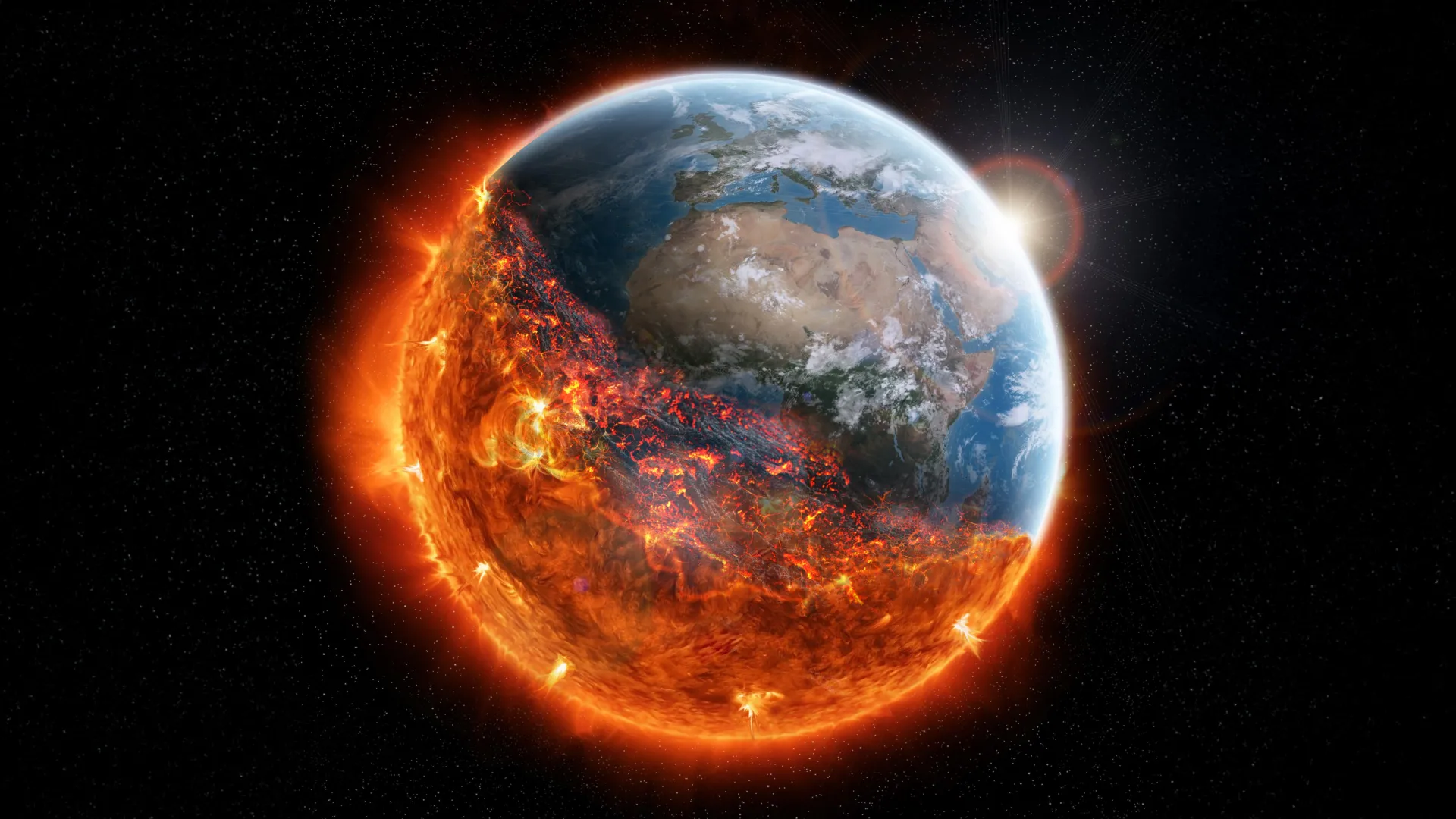
Pioneering climate scientist Dr. Benjamin Santer is publicly challenging a recent U.S. government report that utilized his research. Santer and his colleagues assert that the report misinterpreted his findings, reaching a conclusion that is the inverse of what his decades of work demonstrate. According to their new peer-reviewed analysis, extensive satellite data clearly shows the distinct atmospheric "fingerprint" of human-induced climate change. The scientists argue that the government report contains significant scientific errors. Therefore, they contend, it should not be used as a basis for crucial climate policy decisions. This dispute highlights the importance of accurate interpretation of scientific data in shaping environmental policy.
This situation underscores the critical need for rigorous peer review and transparent communication in scientific reporting, especially concerning climate change. When government assessments cite specific research, ensuring the accurate representation of that research's conclusions is paramount for informed policy-making. Discrepancies like this can create public confusion and potentially lead to policy decisions based on flawed premises. Future climate assessments should prioritize direct engagement with the original researchers to prevent misinterpretations and ensure that policy is grounded in the most robust scientific understanding available. The integrity of scientific consensus relies on the precise and unbiased dissemination of findings.
AI-generated to prompt reflection — not editorial opinion, not advice, not a statement of fact. How this works.