Climate Scientist Warns of Increasing Wildfires and Air Pollution
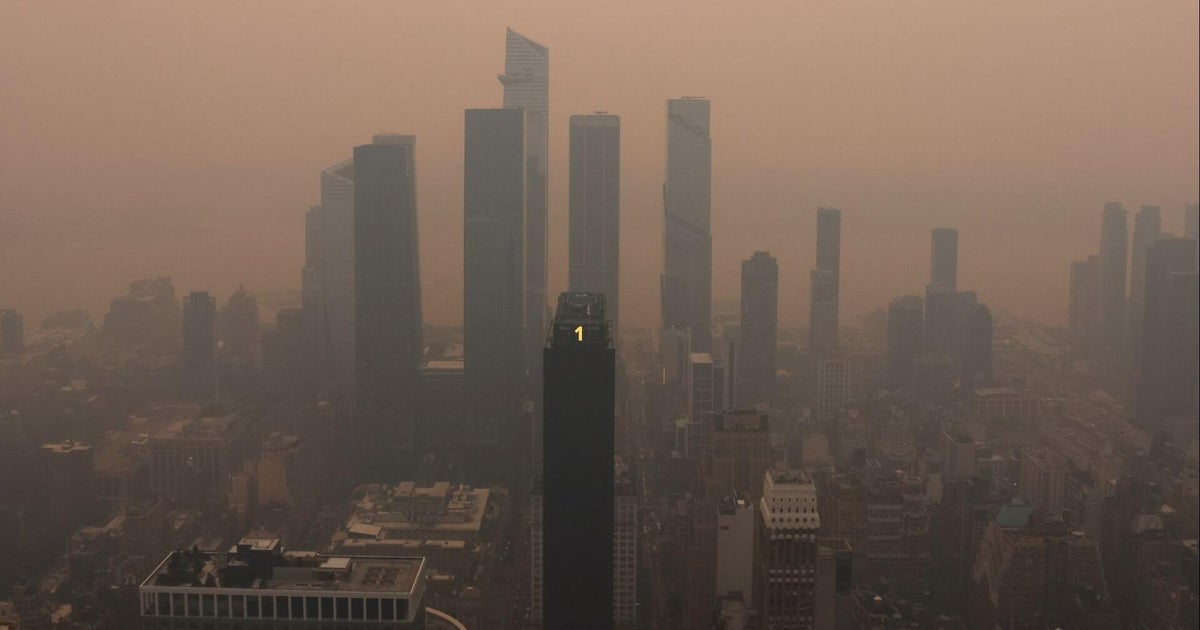
Millions of people across the United States are experiencing hazardous air quality due to smoke from ongoing Canadian wildfires. The smog has turned skies an eerie orange and poses significant health risks. Climate scientist Jonathan Overpeck, who also serves as the dean of the School for Environment and Sustainability at the University of Michigan, has highlighted the direct link between climate change and the escalating severity of wildfires. He explains that a warming planet creates conditions that are more conducive to larger and more intense fires. This trend suggests that such events, along with the resulting poor air quality, are likely to become a more frequent occurrence in the future. The current situation serves as a stark reminder of the tangible impacts of climate change on public health and daily life.
The increasing prevalence of wildfires and associated air quality degradation, as highlighted by climate scientist Jonathan Overpeck, underscores a critical feedback loop within the Earth's climate system. Rising global temperatures, driven by greenhouse gas emissions, create drier conditions and fuel more intense fires. These fires, in turn, release vast amounts of carbon dioxide and other pollutants, further exacerbating climate change and contributing to long-term public health challenges. Addressing this escalating crisis will necessitate a multifaceted approach, balancing immediate public health protections with robust, long-term strategies for climate change mitigation and adaptation. The economic and social costs of inaction, measured in healthcare burdens and environmental damage, are projected to grow substantially in the coming decade.
AI-generated to prompt reflection — not editorial opinion, not advice, not a statement of fact. How this works.