Clinique bets on PDRN skincare as luxury beauty brands enter medical aesthetics market
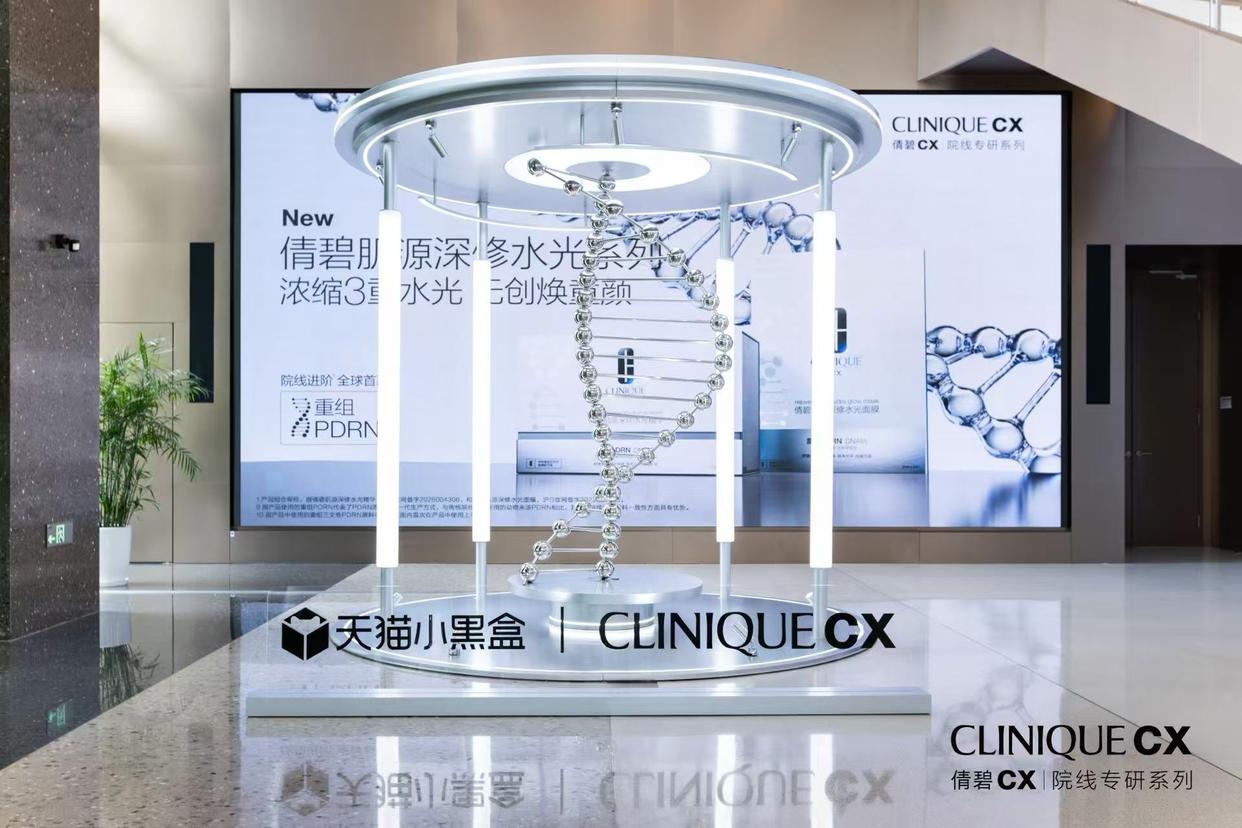
Clinique, a brand under the Estée Lauder Companies, has launched its CX Skin Source Repairing Water-Glow series in China, entering the rapidly growing PDRN (polydeoxyribonucleotide) skincare market. This new line features recombinant PDRN as its core ingredient, making it, according to Estée Lauder, the world's first skincare product with this component. This launch signifies Clinique's ongoing efforts to strengthen its connection between "scientific skincare" and medical aesthetic care.
PDRN, originally derived from salmon DNA, has been used in medical and aesthetic fields for over a decade for its tissue repair, skin barrier improvement, and wound healing properties. In South Korea, PDRN injections have become popular, with consumers associating it with anti-aging treatments. The increasing consumer acceptance of medical aesthetic procedures is expanding the "post-procedure care" market, focusing on pre-treatment stabilization, post-treatment repair, and long-term anti-aging.
This trend is driving the skincare industry towards "light medical aesthetic care," with brands increasingly incorporating ingredients and technologies validated in medical aesthetics, such as hyaluronic acid, recombinant collagen, peptides, and PDRN. For international beauty groups like Estée Lauder, daily care integrated with medical aesthetics is a crucial growth area. Clinique's new series is part of Estée Lauder's broader strategy of medical research collaborations, including partnerships with institutions like Jiahui Health for joint research on aesthetic procedures and skincare applications.
Other major beauty conglomerates, including L'Oréal, Shiseido, and Unilever, are also enhancing collaborations in skin and life sciences to build product credibility through laboratory research, clinical testing, and medical channels. The Chinese market is particularly important due to growing consumer demand for effective skincare and the increasing acceptance of medical aesthetics among younger demographics, blurring the lines between traditional skincare and medical treatments.
The strategic pivot by luxury beauty brands like Clinique into the PDRN skincare market reflects a broader industry trend driven by evolving consumer preferences and technological advancements. As consumers increasingly seek integrated solutions that bridge daily skincare with medical aesthetic outcomes, brands are leveraging validated medical ingredients and research to meet this demand. This shift underscores a redefinition of "skincare" towards evidence-based, scientifically-backed formulations, moving beyond traditional efficacy claims. The challenge for brands lies in translating complex medical technologies into accessible consumer experiences and establishing robust scientific validation to build trust in a competitive landscape. This integration of medical aesthetics into mainstream skincare suggests a future where the distinction between cosmetic and therapeutic skin solutions will continue to blur, driven by innovation and consumer pursuit of comprehensive skin health.
AI-generated to prompt reflection — not editorial opinion, not advice, not a statement of fact. How this works.