Cloning Progress: From Dolly the Sheep to Pet Clones in Three Decades
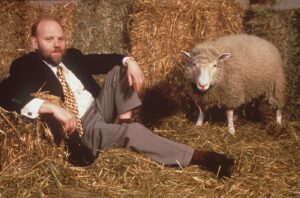
Three decades ago, Dolly the sheep, the world's first successfully cloned mammal, sparked widespread belief that human cloning, pet cloning, and even the revival of extinct species were imminent. While significant scientific advancements have been made since then, the reality of cloning technology has proven far more complex than initially envisioned. The initial excitement surrounding Dolly's creation suggested a rapid trajectory towards widespread cloning applications. However, the journey from that breakthrough to current capabilities has been marked by considerable challenges and ethical considerations. Today, while cloning has advanced, it remains a specialized field with specific applications rather than the ubiquitous technology once anticipated. The focus has shifted from speculative human cloning to more practical, albeit still complex, applications like pet cloning and the preservation of endangered species. The scientific community continues to explore the potential and limitations of cloning technology, navigating both its technical hurdles and societal implications.
The three-decade journey since Dolly the sheep's cloning highlights the gap between scientific possibility and practical, ethical, and economic realities. While cloning technology has advanced, its application has been tempered by the inherent complexities and costs associated with the process. The initial public imagination, fueled by science fiction, envisioned rapid human and species replication. However, the scientific and ethical hurdles have necessitated a more nuanced approach, focusing on areas like pet cloning and conservation. This evolution suggests that technological breakthroughs, while significant, are often constrained by broader societal acceptance, regulatory frameworks, and the intricate biological challenges that require sustained research and development over extended periods. The future trajectory will likely depend on further efficiency gains, ethical consensus, and the identification of compelling, sustainable applications.
AI-generated to prompt reflection — not editorial opinion, not advice, not a statement of fact. How this works.