Cloning Technology 30 Years After Dolly the Sheep: Where Are We Now?
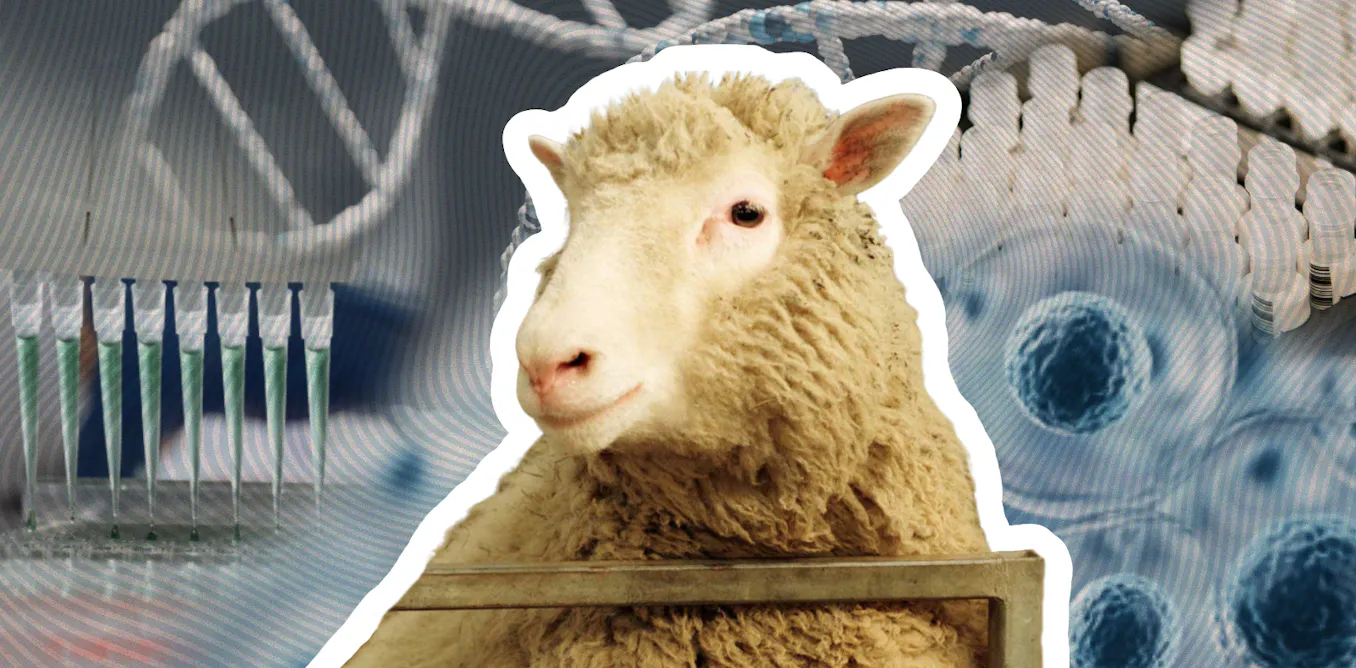
Thirty years have passed since the birth of Dolly the sheep, a landmark event in cloning technology. While cloning is not yet a simple "copy and paste" process for living organisms, it has spurred significant advancements across various scientific disciplines. The technology has evolved considerably since Dolly's creation, moving beyond the initial challenges of reproductive cloning. Current applications and research are focused on therapeutic cloning and its potential to revolutionize medicine. This includes the development of stem cell therapies derived from cloned cells, which hold promise for treating a range of diseases. Furthermore, cloning techniques have contributed to agricultural improvements, such as the creation of livestock with desirable traits. The ethical considerations surrounding cloning also continue to be a subject of ongoing debate and scientific inquiry. Despite its limitations, the legacy of Dolly the sheep is evident in the progress made in understanding and manipulating biological processes.
The 30-year anniversary of Dolly the sheep's birth highlights the substantial, yet often understated, progress in cloning technology. Beyond the initial sensationalism of reproductive cloning, the field has matured into a critical tool for scientific research and potential therapeutic applications. The focus has shifted from simply replicating an organism to understanding and harnessing cellular reprogramming for medical benefit, such as in regenerative medicine. Future developments will likely be shaped by the ongoing ethical dialogues and regulatory frameworks governing genetic technologies. The long-term impact will depend on balancing scientific innovation with societal values, particularly concerning human applications and biodiversity.
AI-generated to prompt reflection — not editorial opinion, not advice, not a statement of fact. How this works.