Closure of Queer Venue Highlights Religion's Ongoing Influence
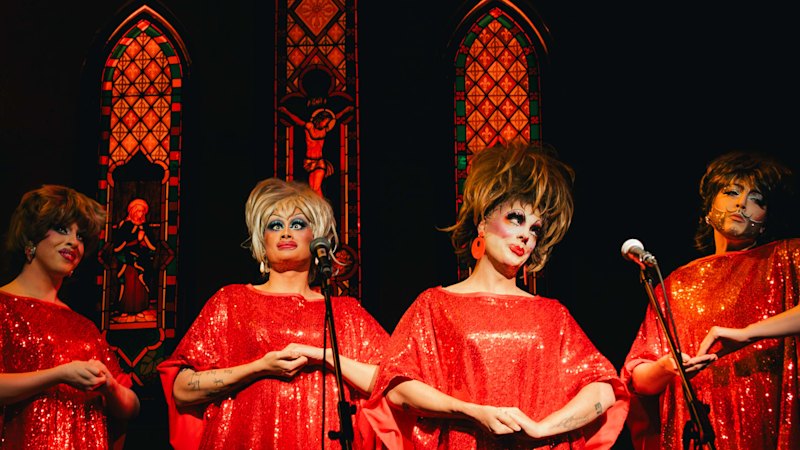
The closure of the Divine Playhouse, a venue catering to the queer community, has been linked to the enduring influence of religion. This event echoes past struggles against censorship, as exemplified by a personal anecdote from 1970 where the author spent a week in prison for protesting censorship by dressing as a nun. The implication is that similar battles against religious or conservative forces continue to impact LGBTQ+ spaces and freedom of expression. The Divine Playhouse's fate serves as a contemporary example of these ongoing societal tensions. The article suggests that despite societal progress, religious institutions or ideologies can still exert significant power in shaping public life and impacting minority communities. The closure signifies a setback for queer visibility and safe spaces, underscoring the persistent challenges faced by the community.
The closure of the Divine Playhouse, framed as a consequence of religious influence, highlights the persistent societal tension between evolving inclusivity norms and established religious or conservative viewpoints. This dynamic often plays out in public spaces, where differing values can lead to conflicts over land use, community standards, and the visibility of LGBTQ+ individuals. Future developments may involve increased legal scrutiny of zoning and public accommodation laws, as well as greater advocacy from both religious and LGBTQ+ groups to shape community standards and policy. Understanding the interplay of these forces is crucial for navigating the evolving landscape of public space and social acceptance in the coming decade.
AI-generated to prompt reflection — not editorial opinion, not advice, not a statement of fact. How this works.