CNG Shortage Leaves Auto-Rickshaw Drivers Waiting for Hours, Facing Higher Fares
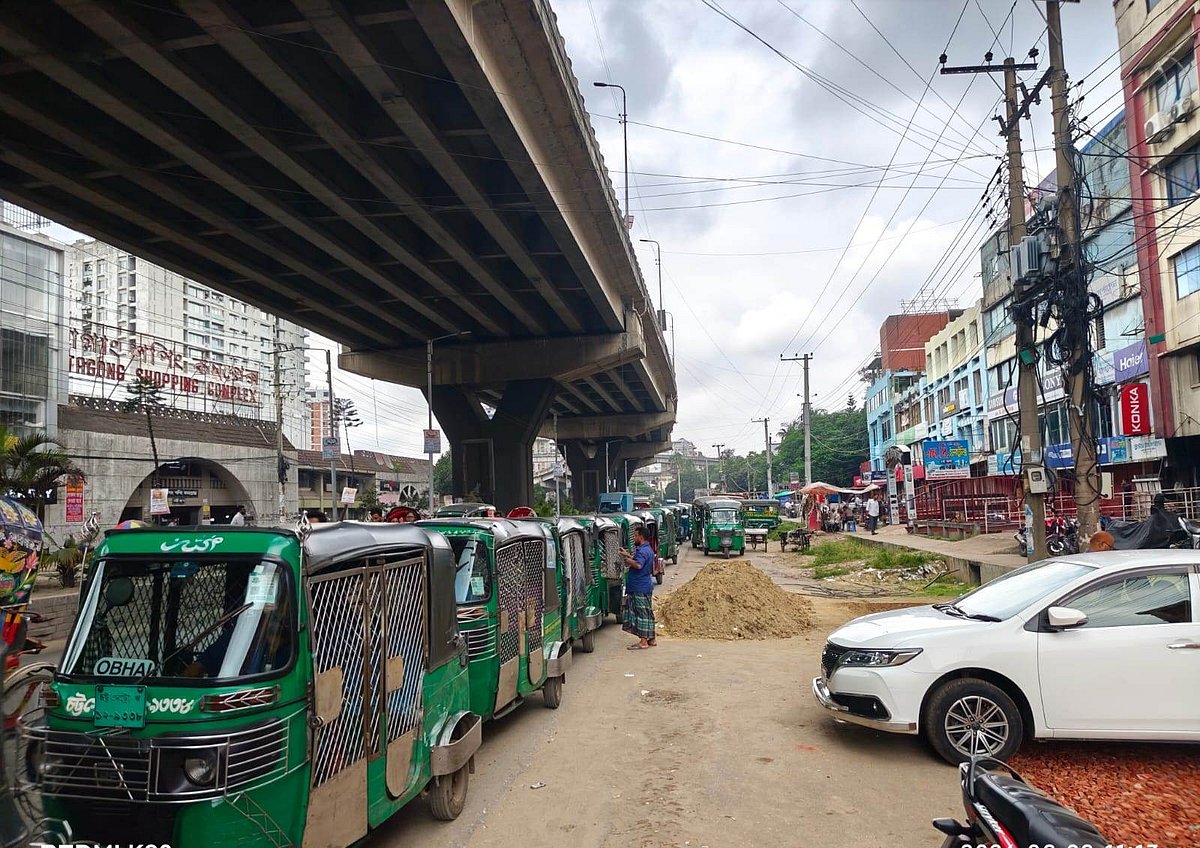
Auto-rickshaw drivers in the city are experiencing significant delays, waiting for hours at most CNG filling stations due to a lack of gas or low pressure. This prolonged waiting time is causing considerable disruption to their daily operations. The scarcity of CNG is forcing drivers to spend a substantial portion of their day in queues, impacting their earning potential. Consequently, passengers are likely to face increased fares as drivers attempt to compensate for the lost time and increased operational costs. The situation highlights a critical supply issue for compressed natural gas within the city's transportation network. Many drivers are struggling to find available stations with adequate gas supply, leading to a widespread problem across the urban area. This shortage directly affects the affordability and accessibility of auto-rickshaw services for the public.
The recurring CNG shortage at filling stations presents a systemic challenge for urban transportation relying on this fuel source. Extended wait times for drivers indicate potential issues in the gas supply chain, distribution infrastructure, or demand management. This inefficiency translates to increased operational costs for drivers, which are inevitably passed on to consumers through higher fares. From a long-term perspective, such supply volatility underscores the need for diversified energy sources in public transport and robust infrastructure planning to ensure consistent availability. Addressing these bottlenecks could improve driver livelihoods, enhance service reliability, and maintain affordable urban mobility.
AI-generated to prompt reflection — not editorial opinion, not advice, not a statement of fact. How this works.