Co-chair Refuses to Step Down from Stage
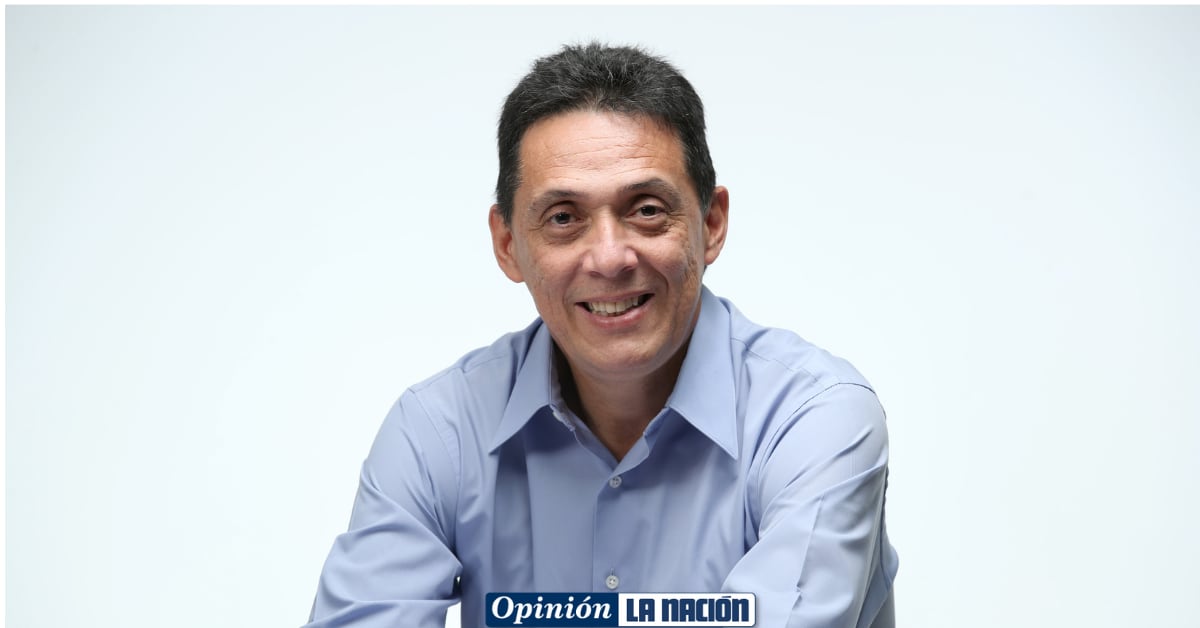
The co-chair is reportedly refusing to leave the stage, suggesting a potential dissatisfaction with Laura Fernández's public appearances or a reluctance to fully cede the spotlight. This action implies a desire to maintain a prominent position and control over the narrative or proceedings. The situation highlights a possible power struggle or disagreement over leadership roles and public visibility within the organization. It remains unclear what specific actions the co-chair is taking to remain on stage or what the immediate consequences of this refusal will be. Further details are needed to understand the full context of this event and its implications for the co-chair's relationship with Laura Fernández and their respective roles.
This situation may reflect underlying tensions regarding leadership roles and public representation. The co-chair's insistence on remaining on stage could indicate a strategic effort to assert influence or control over public discourse. From a governance perspective, such actions can sometimes stem from differing visions for the organization's direction or a perceived imbalance in responsibilities. Understanding the incentive structures driving this behavior, such as the desire for recognition or the need to address specific concerns, is crucial. Future developments will likely depend on how these internal dynamics are managed and whether a consensus on leadership and public engagement can be reached.
AI-generated to prompt reflection — not editorial opinion, not advice, not a statement of fact. How this works.
