Coach Sahidul Islam: Nurturing National Footballers Without Fees in Magura
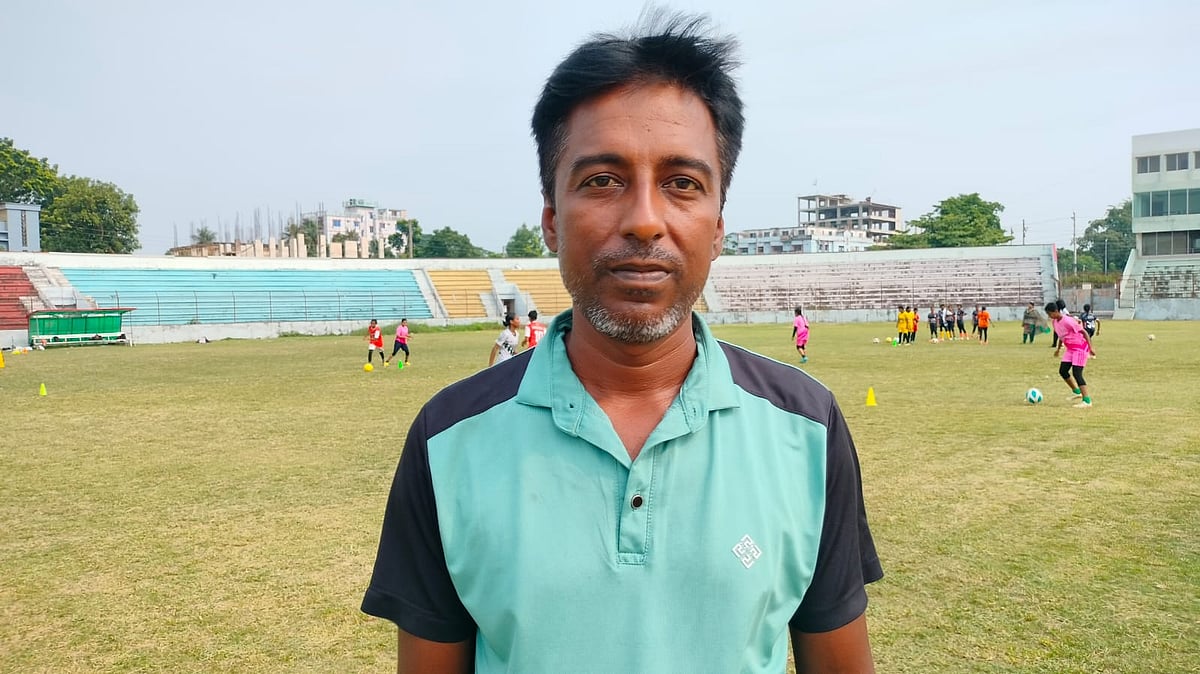
In Magura, Bangladesh, coach Sahidul Islam is making significant contributions to women's football, dedicating his efforts to training young athletes without charging any fees. Currently, girls from his school are actively participating in practices at the Magura District Stadium in preparation for the JFA Cup. Sahidul, an assistant teacher at Goaldoho Government Primary School, also serves as a football coach, balancing his classroom duties with his passion for sports. He began his coaching journey in 2013 after transferring to his local school, where he initiated football activities with the encouragement of the head teacher. Drawing inspiration from observing international coaches and players, Sahidul has developed his own training methods, even crafting practice equipment from household materials like bamboo and ropes due to limited resources. He has also enhanced his skills through a Bangladesh Football Federation grassroots coaching course. Despite practicing in a small, yard-like space, Sahidul's coaching has produced notable talent, including national players like Eti Rani, Sathi Biswas, Orpita Biswas, Swarna Rani Mondal, and Nabiron Khatun. Many of his students have secured opportunities at BKSP, a national sports institute, and some are now pursuing university education while supporting their families. These female athletes now earn monthly incomes ranging from 20,000 to 40,000 Taka and have received state recognition and financial incentives. Sahidul aims to develop four to five students annually for national-level or BKSP opportunities, emphasizing the importance of early nurturing for aspiring players. He also hopes to extend his coaching to boys' football if better facilities become available.
This narrative highlights the impact of dedicated individuals in grassroots sports development, particularly in regions with limited resources. Sahidul Islam's commitment to coaching without remuneration, coupled with his resourcefulness in creating training aids, underscores the potential for significant sporting talent to emerge from underserved communities. The success of his students, who are now achieving financial independence and national recognition, demonstrates a powerful model for community upliftment through sports. The shift in societal perception regarding girls' participation in football, as noted in the report, suggests a broader positive social transformation driven by such initiatives. The analysis points to the systemic need for increased investment in infrastructure and coaching education to scale these successes beyond individual efforts and foster a more robust national sports ecosystem for both genders.
AI-generated to prompt reflection — not editorial opinion, not advice, not a statement of fact. How this works.