Coastal Wind Alert Issued for 24 Espírito Santo Cities After Deadly Storms
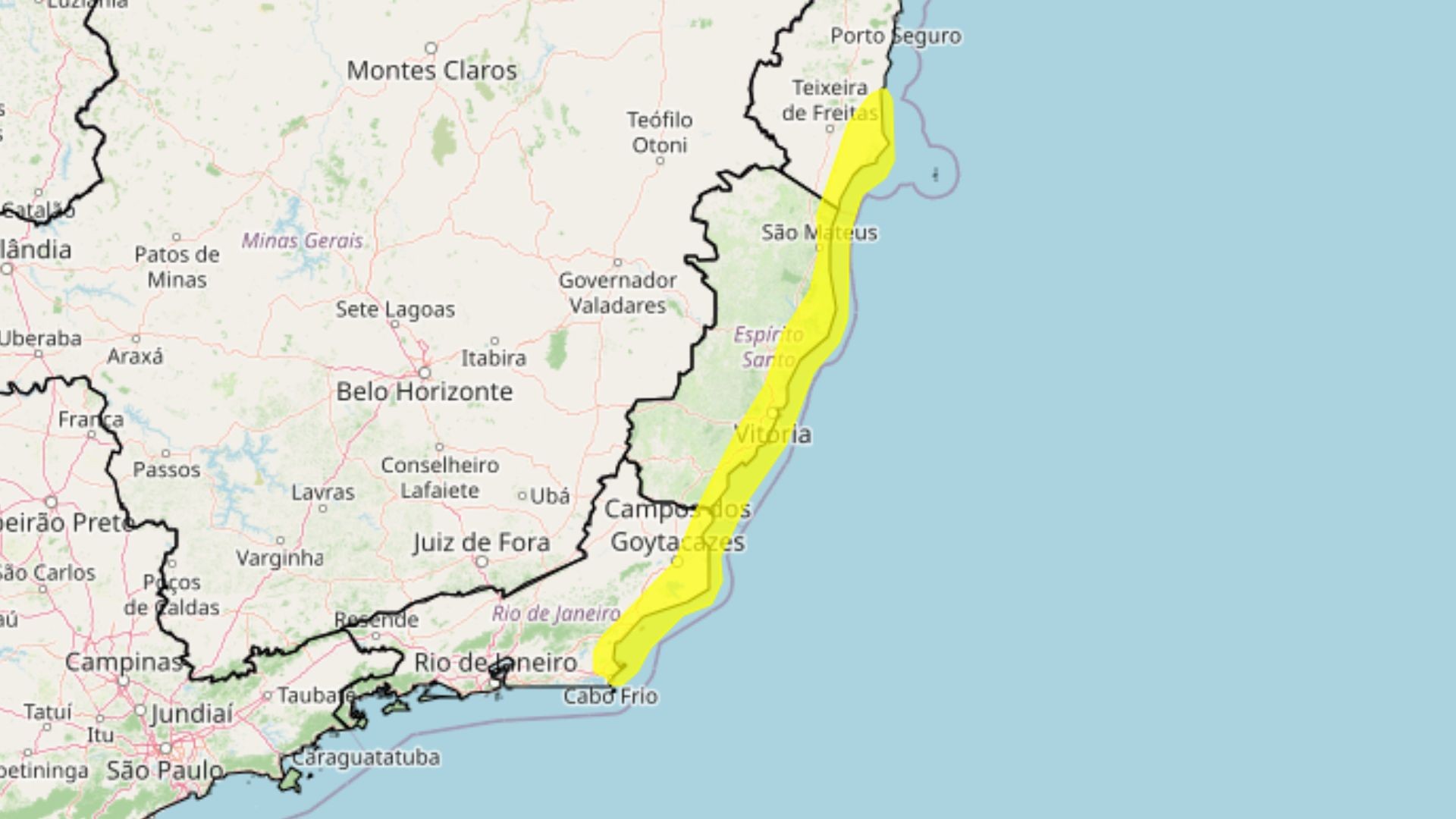
The National Institute of Meteorology (Inmet) has issued a coastal wind alert for 24 municipalities in Espírito Santo, Brazil. This warning, effective until 11:59 PM on Thursday, May 30th, indicates potential danger due to intensified winds along coastal regions. Residents are cautioned about the risk of sand movement affecting structures and beachfront areas. This alert follows a severe storm that impacted southern and southeastern Brazil on Wednesday, May 29th. The storm brought wind gusts exceeding 120 km/h, resulting in fatalities, fallen trees, damaged roofs, power outages, and transportation disruptions. Tragically, five people lost their lives due to the high winds in neighboring states: three in São Paulo and two in Rio de Janeiro. One individual remains missing in Rio de Janeiro. While Espírito Santo did not report severe wind-related incidents, the state experienced indirect effects. Two flights were canceled and two others delayed at Vitória Airport on Wednesday due to adverse weather conditions. In case of wind-related emergencies, the public is advised to contact Civil Defense at 199. The affected municipalities include Alfredo Chaves, Anchieta, Aracruz, Cariacica, Conceição da Barra, Domingos Martins, Fundão, Guarapari, Ibiraçu, Iconha, Itapemirim, Jaguaré, Linhares, Marataízes, Marechal Floriano, Piúma, Presidente Kennedy, Rio Novo do Sul, Santa Leopoldina, São Mateus, Serra, Viana, Vila Velha, and Vitória.
The issuance of coastal wind alerts in 24 Espírito Santo municipalities highlights the interconnectedness of weather systems across regions and the importance of meteorological forecasting for public safety. The event underscores the vulnerability of coastal infrastructure and communities to extreme weather phenomena, exacerbated by climate shifts. While the alert aims to mitigate immediate risks, it also points to a broader need for resilient urban planning and infrastructure development in areas prone to such events. Future preparedness strategies may involve enhanced early warning systems, improved building codes, and public education campaigns to foster community-level adaptation to increasingly volatile weather patterns.
AI-generated to prompt reflection — not editorial opinion, not advice, not a statement of fact. How this works.