Cobalt Blue and Energy Orange Eyed as Key Colors for 2027 Women's World Cup
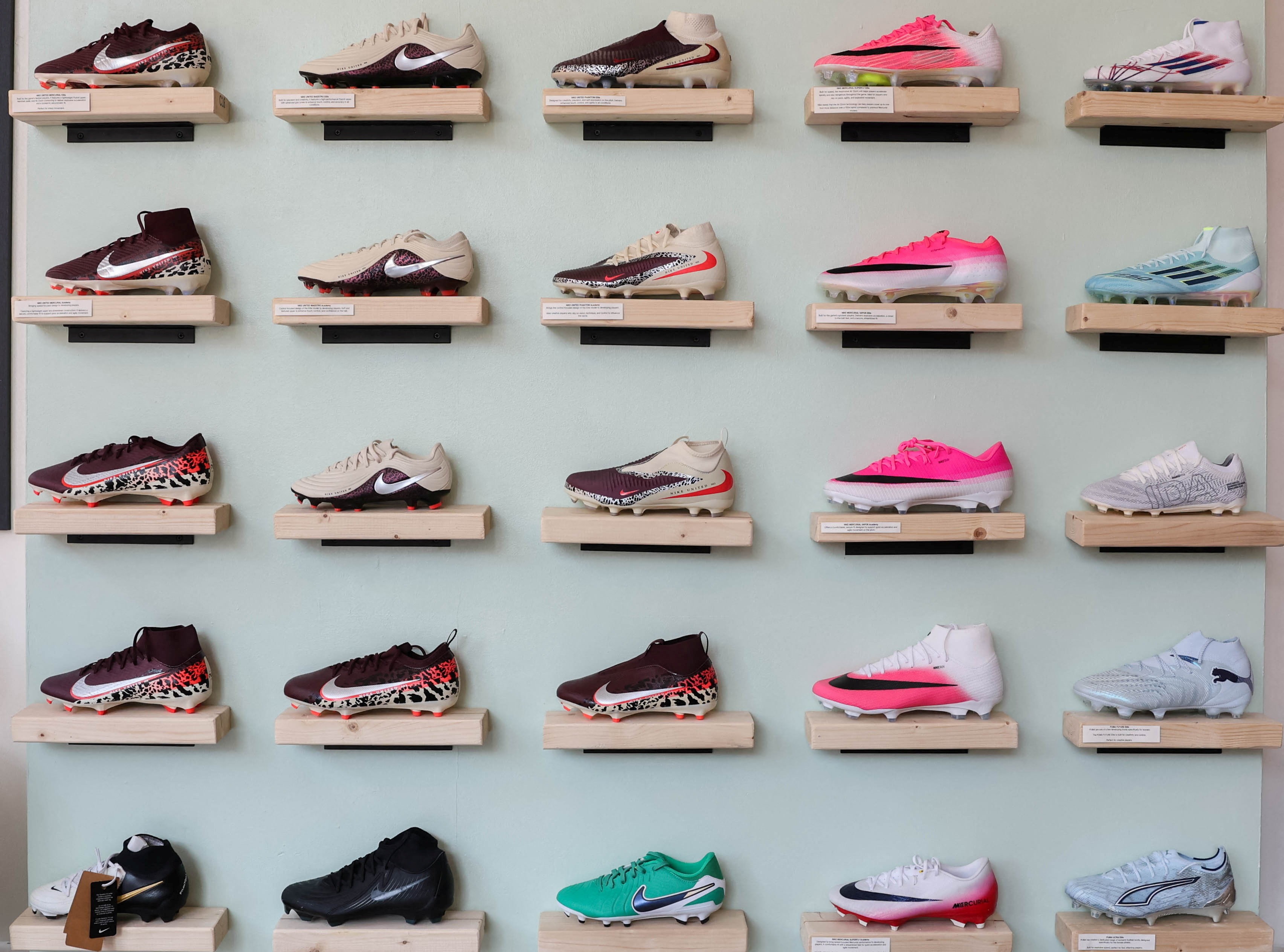
Following the prominence of pink in the 2026 men's World Cup, the trend consultancy WGSN predicts that cobalt blue, specifically "lightning blue," and "energy orange" will be the dominant colors for the 2027 Women's World Cup. This prediction aligns with WGSN's forecast for "luminous blue" as the color of 2027 across fashion, technology, and sports. WGSN had previously identified "electric fuchsia" as the color of 2026, noting its success in the sports niche due to its vibrant, electric tone that contrasts well with green grass and avoids association with specific teams. The adoption of pink by male athletes was also seen as a sign of evolving masculinity. The WGSN research, released in April 2025, suggests that brighter blues are often linked to sports, and major brands are expected to leverage this. The 2027 Women's World Cup is anticipated to be the largest yet, fostering stronger relationships between players and fashion/luxury brands, similar to the trend seen with Erling Haaland in the 2026 men's tournament. There's a potential for trend predictions to become self-fulfilling prophecies, as major companies like footwear manufacturers often follow WGSN reports. While Adidas, Nike, and Puma declined to comment on future releases, Skechers stated they do not offer women's soccer cleats. WGSN's annual survey involves a global team analyzing various consumer sectors to translate behavioral signals into practical guidance for industries including fashion, technology, and sports, also considering geopolitical and economic influences on aesthetics.
The WGSN's color trend forecast for the 2027 Women's World Cup, highlighting "lightning blue" and "energy orange," illustrates the powerful interplay between market research, corporate strategy, and cultural signaling in the sports and fashion industries. The prediction of a "self-fulfilling prophecy" underscores how trend forecasting firms can influence consumer behavior and product development by providing a shared narrative for brands to adopt. This dynamic raises questions about the organic emergence of trends versus their manufactured dissemination, particularly as the women's game gains commercial traction. The increasing visibility of female athletes presents an opportunity for fashion and sports brands to engage with new demographics and potentially challenge traditional gendered color associations, moving beyond simplistic binary marketing. The focus on color trends also reflects a broader economic incentive for brands to create novelty and drive consumption cycles, a pattern likely to intensify with the growing influence of AI in predicting and shaping consumer preferences.
AI-generated to prompt reflection — not editorial opinion, not advice, not a statement of fact. How this works.