Coffee Houses: The Unsung Hubs of American Revolutionary Thought
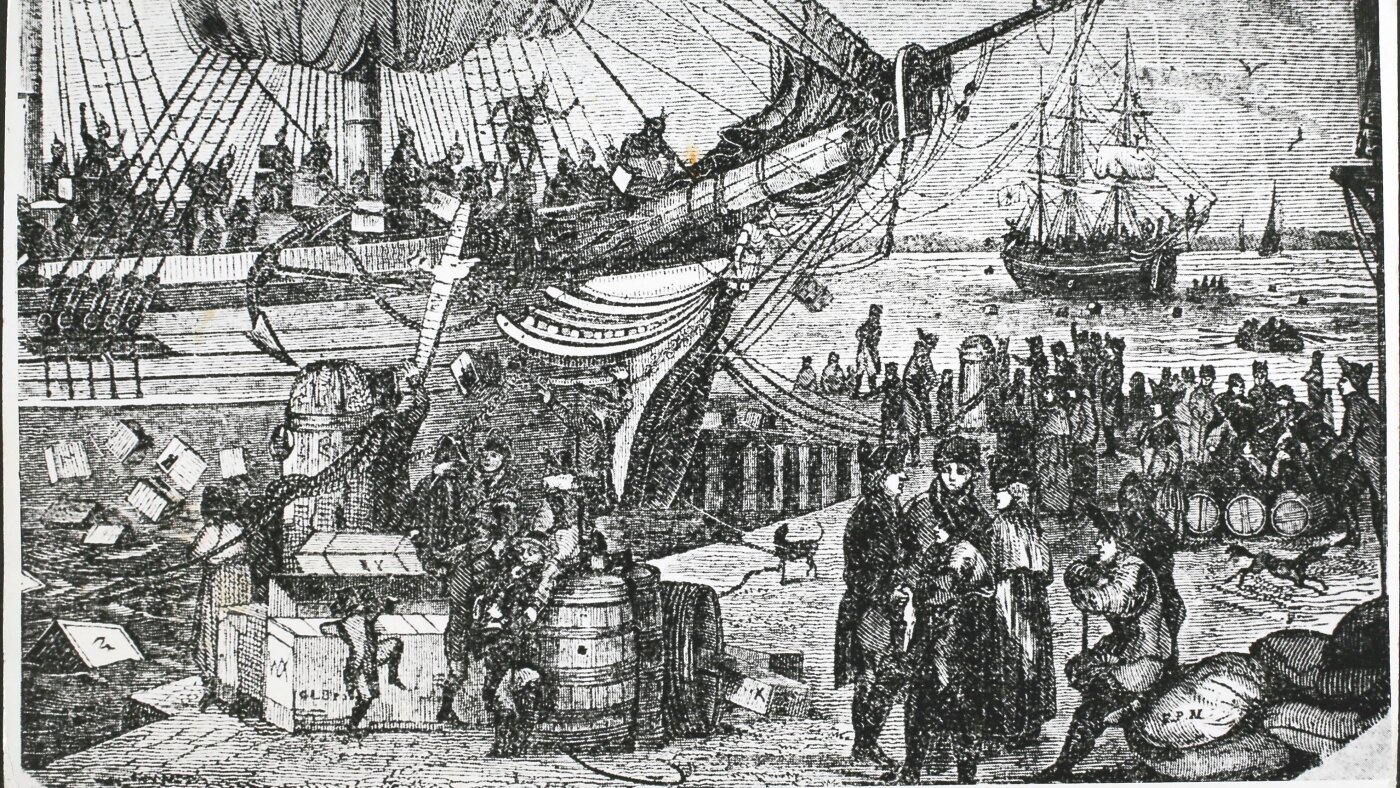
Coffee played a significant role in colonial America, predating key events like the Boston Tea Party and the fight for independence. Establishments that served coffee were more than just places to get a drink; they were vibrant centers where revolutionary ideas were discussed and brewed. These coffee houses served as crucial meeting points for colonists who were developing the intellectual foundations for their future revolution. The availability and consumption of coffee provided a social lubricant and an intellectual catalyst for the burgeoning independence movement. The practice of drinking coffee was already well-established before the colonists took a stand against British rule. These establishments fostered a sense of community and shared purpose among those seeking change. The simple act of gathering for coffee facilitated the exchange of information and the formation of alliances. Therefore, the drink itself, and the places where it was consumed, were integral to the spirit and planning of the American Revolution.
The historical account highlights coffee houses as pivotal spaces for discourse during the American Revolution. These establishments functioned as informal forums where colonists could gather, share ideas, and potentially organize, independent of formal governmental structures. The narrative suggests that the accessibility of such neutral grounds, facilitated by the popular beverage, allowed for the organic development of revolutionary sentiment and strategy. Examining this through a systems lens, these informal networks demonstrate the power of decentralized communication in challenging established authority. The future implications suggest that similar public spaces, whether physical or digital, will continue to be critical for societal change and the formation of collective action, underscoring the enduring importance of accessible public spheres in shaping political and social movements.
AI-generated to prompt reflection — not editorial opinion, not advice, not a statement of fact. How this works.