Cognitive Limits, Not Negligence, Cited in Deadly Voepass Plane Crash
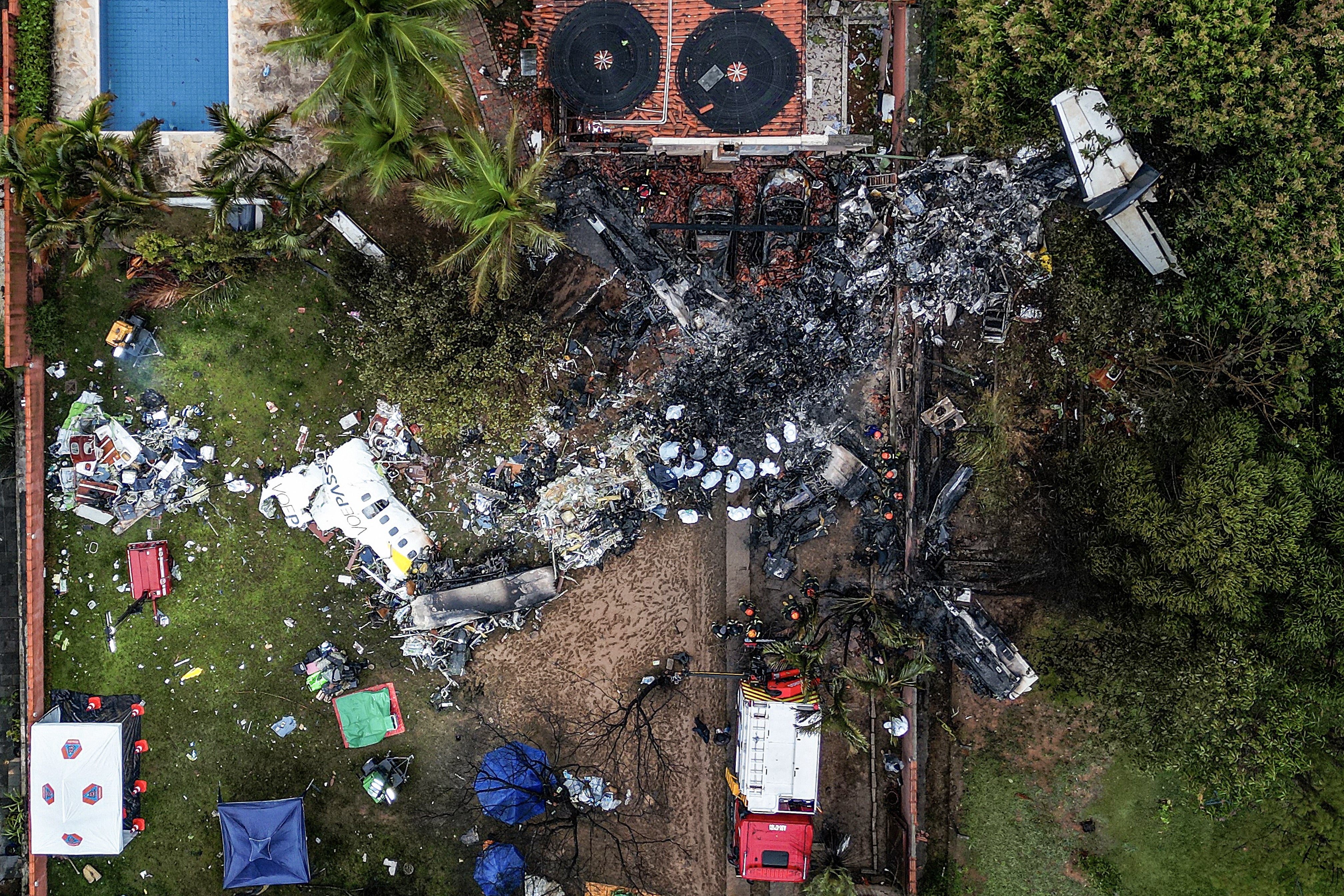
An investigation into the August 2024 Voepass plane crash that killed 62 people in Vinhedo, Brazil, has identified cognitive phenomena as contributing factors. The Aeronautical Accidents Investigation and Prevention Center (Cenipa) report highlights 'inattentional blindness' and 'inattentional deafness' as mechanisms that may have reduced the crew's ability to perceive and process aircraft alerts amid a high workload. These phenomena, explained by psychologist Maria da Conceição Correia Pereira, are not indicative of distraction or negligence but rather natural limitations of the human brain's information processing capacity. The report emphasizes that these cognitive states occurred when pilots managed multiple critical tasks, including de-icing system failures, air traffic communication, and approach procedures, while also engaging in personal conversations.
Inattentional blindness means the brain fails to consciously process visual information it is looking at because it is focused on another task, while inattentional deafness involves failing to interpret auditory alerts despite hearing them. These are attentional limitations, not sensory impairments. The Cenipa report does not claim these were direct causes but rather cognitive explanations for why alerts might have been missed. The investigation also pointed to failures by the airline, crew, and the National Civil Aviation Agency (Anac).
Experts suggest that while training reduces risks, it cannot eliminate these inherent brain limitations, especially under stress. Preventing such incidents requires a combination of advanced technology, comprehensive training in human factors and cognitive load management, and a strong safety culture that encourages reporting and learning from near misses. Technological improvements, such as ATR's revised aircraft performance monitoring system with a minimum alert duration, aim to mitigate these risks by preventing rapid, potentially ignored, alert cycles.
This investigation into the Voepass crash underscores the critical need to design aviation systems that account for inherent human cognitive limitations, rather than solely relying on pilot training to overcome them. The concepts of inattentional blindness and deafness, while not assigning blame, reveal systemic vulnerabilities where high cognitive load can impair perception of vital alerts. Future safety protocols must integrate advanced technological safeguards and robust human factors training that proactively manages attention and situational awareness, acknowledging that even highly skilled professionals operate within natural neurological constraints. This perspective shifts the focus from individual error to organizational resilience, emphasizing the development of systems that build multiple layers of defense against predictable human performance variations in complex, high-stakes environments.
AI-generated to prompt reflection — not editorial opinion, not advice, not a statement of fact. How this works.