Cold Front Brings Frost Risk to Southern Brazil, Lowering Temperatures
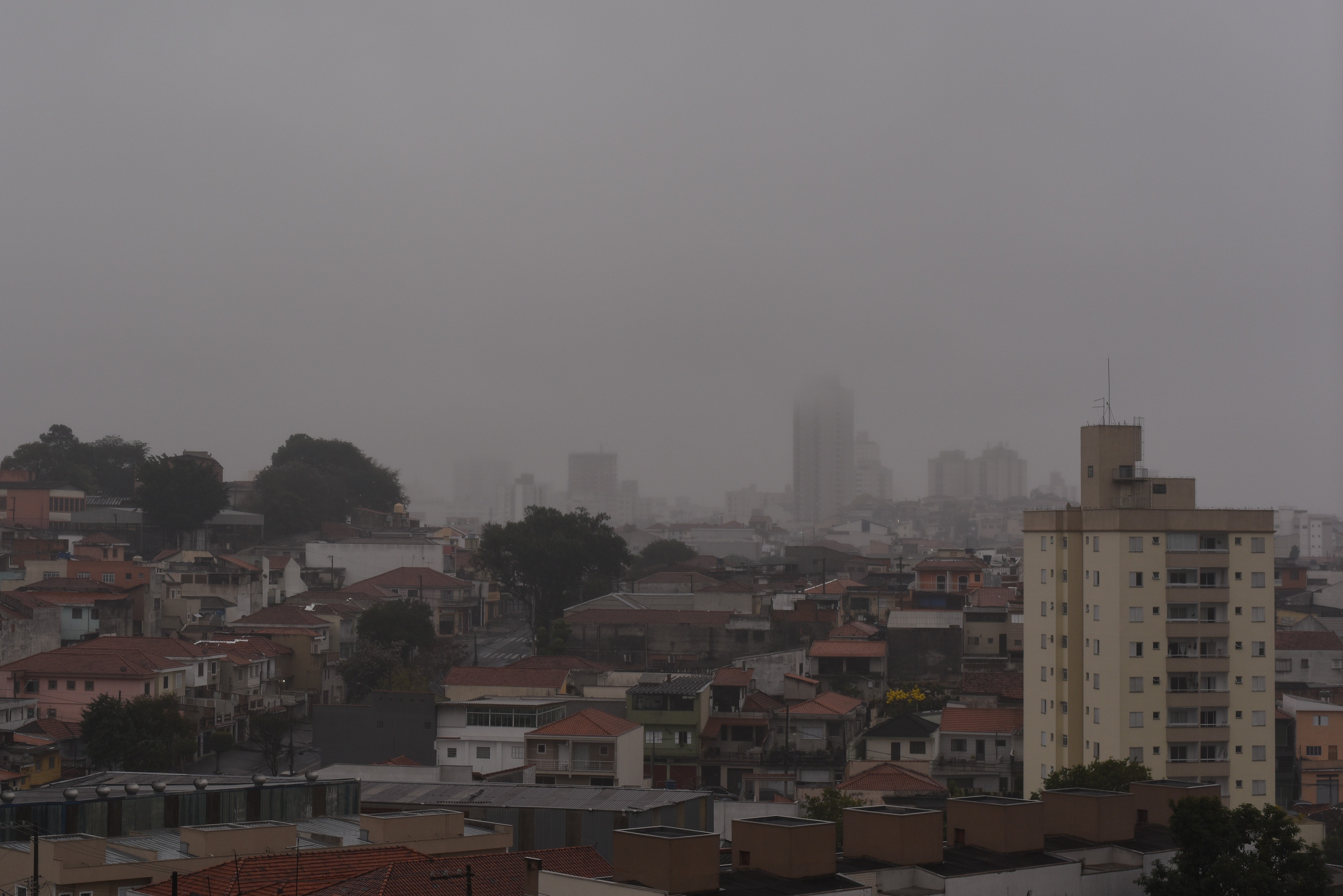
A cold front is set to significantly impact Brazil's Center-South region starting Tuesday, May 7th, with the Southern states facing the highest risk of frost and sub-zero temperatures, particularly in elevated areas. This shift follows the passage of a cold front currently affecting Santa Catarina and moving towards the Southeast, influencing weather patterns in parts of São Paulo and Rio de Janeiro. While not expected to cause widespread heavy rain, the front will facilitate the entry of cold air, leading to a more pronounced winter-like feel from Tuesday to Wednesday across Rio Grande do Sul, Santa Catarina, Paraná, and parts of Mato Grosso do Sul. Frost is anticipated in most of Rio Grande do Sul, excluding the coast, and in areas of Santa Catarina and southern Paraná. Specific low temperatures are forecast, with Urubici, Santa Catarina, potentially reaching -3°C and Passo Fundo, Rio Grande do Sul, near 0°C. Some higher elevations in Santa Catarina and Paraná could see temperatures as low as -4°C and -1°C, respectively. In the Southeast, the cold front is expected by Wednesday, May 8th, bringing noticeable changes to São Paulo and Rio de Janeiro. Light to moderate rain may occur along the São Paulo coast, its metropolitan area, and parts of the state's interior. Southern Rio de Janeiro, Grande Rio, and areas of Minas Gerais and Espírito Santo might also experience rain. São Paulo city anticipates cooler temperatures and increased cloudiness, with highs around 21°C on Tuesday, and colder mornings persisting through the week, though afternoons are expected to become milder by Thursday. Rio de Janeiro may start with fog before seeing partly cloudy skies, with a chance of light to moderate rain, especially in the afternoon and evening. Belo Horizonte will likely remain dry and warm, though southern Minas Gerais will experience cooler minimums. The Center-West region will predominantly see dry weather with low humidity, while the North and Northeast will continue to experience high temperatures, with highs above 30°C in many areas. The North may see stronger rainfall in its northernmost parts, including Manaus, while other areas remain hot and dry. The Northeast's rain will be concentrated along the coast and in the northern part of the region, with dry air dominating the interior.
This weather event highlights the dynamic atmospheric conditions influencing South America, driven by the interplay of cold fronts and prevailing tropical air masses. The forecast's emphasis on frost and sub-zero temperatures in the South, juxtaposed with continued heat in the North and Northeast, underscores the significant regional climate variations within Brazil. From a systems perspective, the predictable seasonal patterns of cold air incursions from the south are crucial for agriculture, particularly in the southern states, influencing planting and harvesting cycles. The potential for localized heavy rainfall in the Amazon basin, as indicated for Manaus, also points to ongoing challenges with managing urban infrastructure against extreme weather events. Looking ahead, understanding these recurring patterns and their increasing intensity or frequency, potentially linked to broader climate shifts, will be vital for adaptation strategies across diverse economic sectors and population centers in Brazil.
AI-generated to prompt reflection — not editorial opinion, not advice, not a statement of fact. How this works.