Cold Front to Bring Rain to Southeast Brazil, with Storms Returning to the South
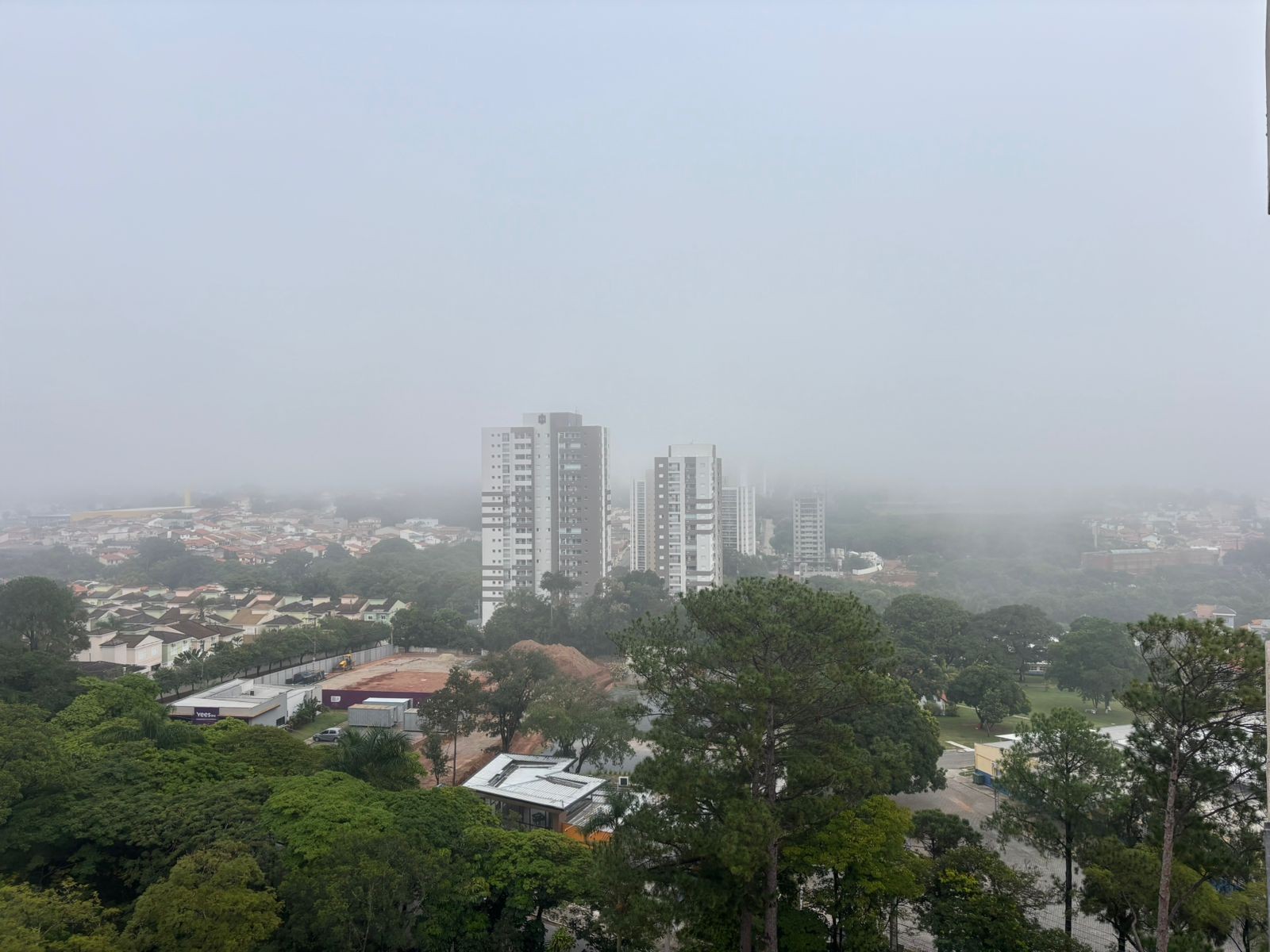
A cold front is expected to maintain rainy conditions across parts of Brazil's Southeast region on Friday, May 24th. São Paulo and parts of Paraná will experience significant cloud cover and rain, with potential storms also affecting Mato Grosso do Sul, Minas Gerais, and Rio de Janeiro. The National Institute of Meteorology (Inmet) forecasts rainfall up to 30 mm in these areas, prompting the National Center for Monitoring and Natural Disaster Alerts (Cemaden) to issue warnings for floods and landslides. This heavy rain may also extend to the northeastern coast, particularly between Recife and Natal, due to easterly waves originating over the Atlantic Ocean. Meanwhile, the central part of Brazil will continue to experience dry air and very low humidity levels during the afternoons, increasing the risk of wildfires in drier regions of Bahia, Maranhão, Piauí, and western Pernambuco. Sporadic showers are predicted for parts of the Amazon region and northern Pará. On Saturday, rainfall will continue along the northeastern coastline and may bring isolated showers to the Southeast. However, by Sunday, storms are forecast to intensify in the South, especially in Rio Grande do Sul and Santa Catarina, driven by a developing low-pressure system. These storms could include lightning and strong winds, with rain spreading further into western Santa Catarina and southwestern Paraná by Wednesday. The dry weather is expected to persist in central Brazil for the coming weeks.
This weather forecast highlights the dynamic interplay of atmospheric systems across Brazil, with a significant cold front influencing the Southeast and a developing low-pressure system poised to bring intensified storms to the South. The differing conditions across regions – from potential flooding in the Southeast to extreme dryness and wildfire risk in the Center-West – underscore the vulnerability of diverse ecosystems and populations to climate variability. As Brazil navigates these weather patterns, the long-term implications of climate change on agricultural productivity, water resource management, and disaster preparedness warrant continued strategic planning and investment in resilient infrastructure. Understanding these cyclical weather events, amplified by global climate trends, is crucial for anticipating future challenges and fostering adaptive capacity across the nation.
AI-generated to prompt reflection — not editorial opinion, not advice, not a statement of fact. How this works.