Cold Front to Bring Significant Temperature Drops Across Mato Grosso This Weekend
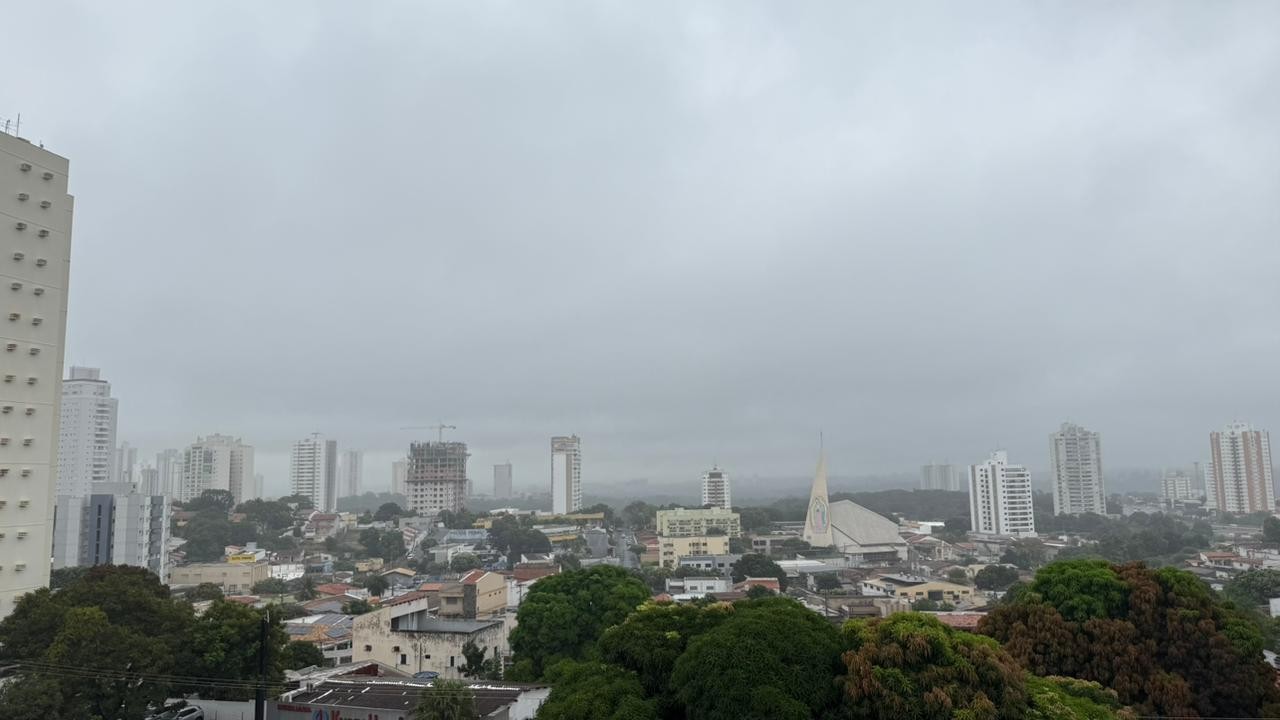
A cold front originating from southern Brazil is set to advance into Mato Grosso starting Friday, June 3rd, triggering a notable decrease in temperatures across various regions of the state, according to the Center for Weather Prediction and Climate Studies (CPTEC). This shift in weather patterns is expected to be most pronounced between Saturday, June 4th, and Monday, June 6th. In the capital city of Cuiabá, Friday will see temperatures ranging from a low of 19°C to a high of 22°C. Saturday's temperatures will fluctuate between 21°C and 33°C, followed by a sharper drop on Sunday with a minimum of 15°C and a maximum of 26°C. By Monday, temperatures will range from 15°C to 30°C, with a return to warmer conditions expected from Tuesday, June 7th onwards. Chapada dos Guimarães will experience a minimum of 16°C and a maximum of 21°C on Friday, with Saturday seeing a range of 20°C to 28°C. Sunday will bring a more significant temperature decrease, with lows of 13°C and highs of 22°C, before slightly rising on Monday. Rondonópolis is forecast to have a minimum of 20°C and a maximum of 26°C on Friday, with Saturday reaching up to 33°C. Sunday will see a dip to 14°C minimum and 30°C maximum. Tangará da Serra will start Friday with a low of 17°C and a high of 23°C, experiencing a temperature drop on Sunday to a minimum of 13°C and a maximum of 23°C. In the northern part of the state, Sinop will register a minimum of 19°C and a maximum of 32°C on Friday, with temperatures remaining relatively stable on Saturday before dropping slightly on Sunday and Monday. Warmer weather is predicted to return to Sinop by Tuesday and Wednesday.
This weather event illustrates the dynamic atmospheric conditions that influence regional climate patterns, particularly in large continental landmasses like Brazil. The predictable ebb and flow of cold fronts from the south and warmer air masses from the interior highlight the interplay of geographic factors and global weather systems. Understanding these cycles is crucial for sectors reliant on stable climate conditions, such as agriculture and energy. As climate models become more sophisticated, the ability to forecast such events with greater precision will continue to improve, offering enhanced preparedness for both economic and public safety considerations. The data provided offers a granular view of temperature fluctuations, underscoring the localized impacts of broader meteorological phenomena and the importance of localized climate data for effective planning.
AI-generated to prompt reflection — not editorial opinion, not advice, not a statement of fact. How this works.