Cold Front to Lower Temperatures by Up to 5°C in Piracicaba Region This Weekend
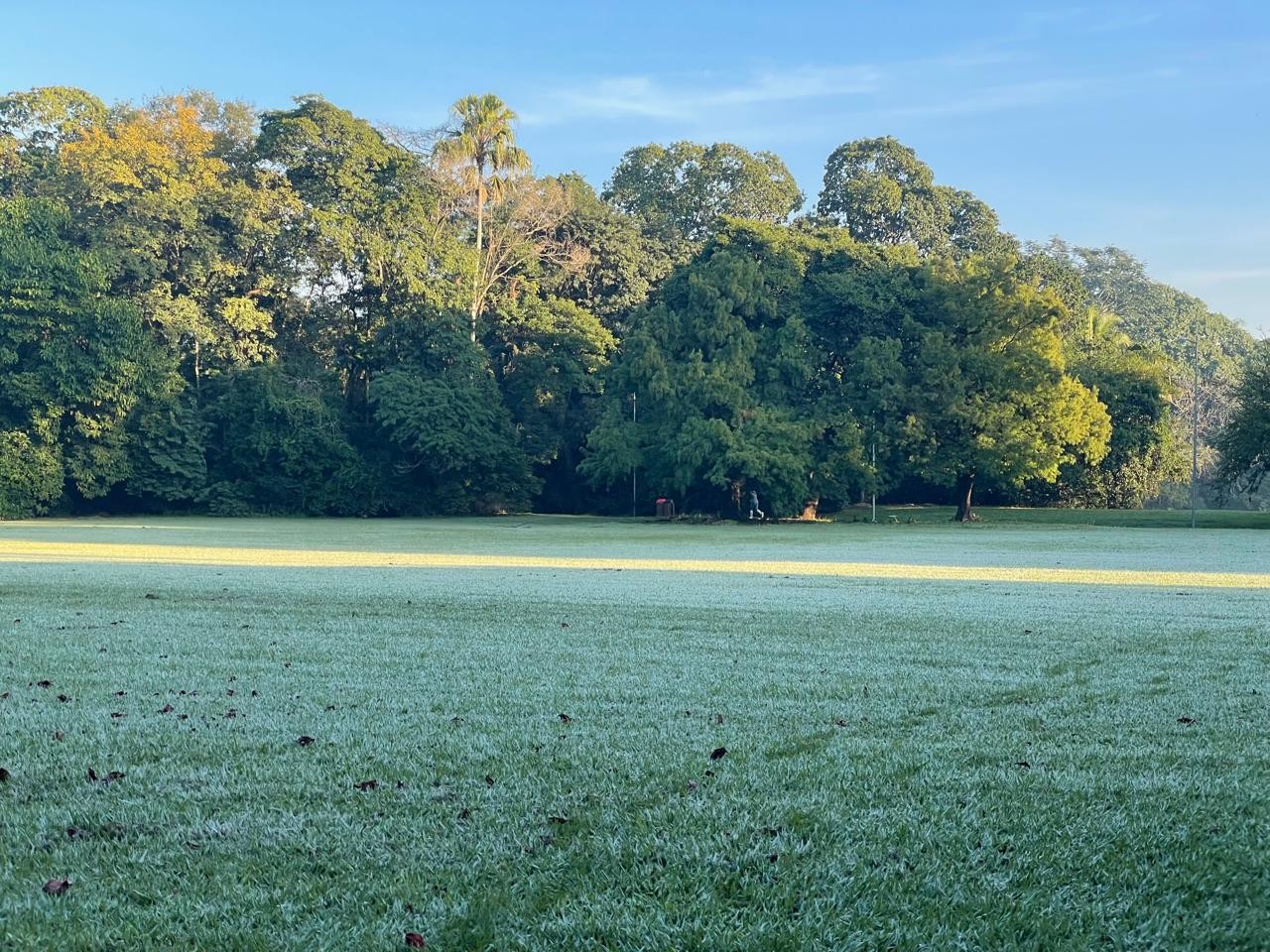
A cold front moving along the coast of São Paulo state is expected to cause temperatures in the Piracicaba region to drop by as much as 5°C during the first weekend of July. This weather shift, anticipated to begin on Saturday, July 4th, will be accompanied by the arrival of a dry and cold air mass over the interior of the state. The National Institute of Meteorology (Inmet) forecasts no rain. This influx of dry, cold air, characteristic of winter, follows a period where Piracicaba experienced its rainiest June in a decade. On Friday, July 3rd, prior to the temperature drop, Piracicaba recorded a high of 29°C and a low of 15°C, according to Inmet. By Sunday, July 5th, the predicted low temperature is 10°C. Specifically for Piracicaba, Saturday, July 4th, is forecast to have a low of 13°C and a high of 26°C, while Sunday, July 5th, will see a low of 10°C and a high of 26°C. Looking ahead to Monday, July 6th, the forecast indicates a low of 11°C and a high of 27°C. In Limeira, Friday, July 3rd, had a low of 14°C and a high of 28°C. For Saturday, July 4th, Limeira's forecast is a low of 13°C and a high of 26°C. Sunday, July 5th, in Limeira, is expected to have a low of 11°C and a high of 26°C, with Monday, July 6th, predicted to reach a low of 12°C and a high of 27°C.
This weather event highlights the typical seasonal transition in São Paulo state, where the arrival of a cold front signifies the onset of drier, cooler winter conditions. The contrast between the recent record rainfall in June and the incoming dry air mass underscores the variability of regional climate patterns. Understanding these seasonal shifts is crucial for agricultural planning and water resource management, as extreme precipitation followed by prolonged dry spells can impact crop yields and reservoir levels. The forecast provides actionable data for residents and businesses to prepare for the temperature changes, illustrating the practical application of meteorological science in daily life and economic activities.
AI-generated to prompt reflection — not editorial opinion, not advice, not a statement of fact. How this works.