Cold Front Triggers Storms in Southern Brazil, While Dry Heat Persists Elsewhere
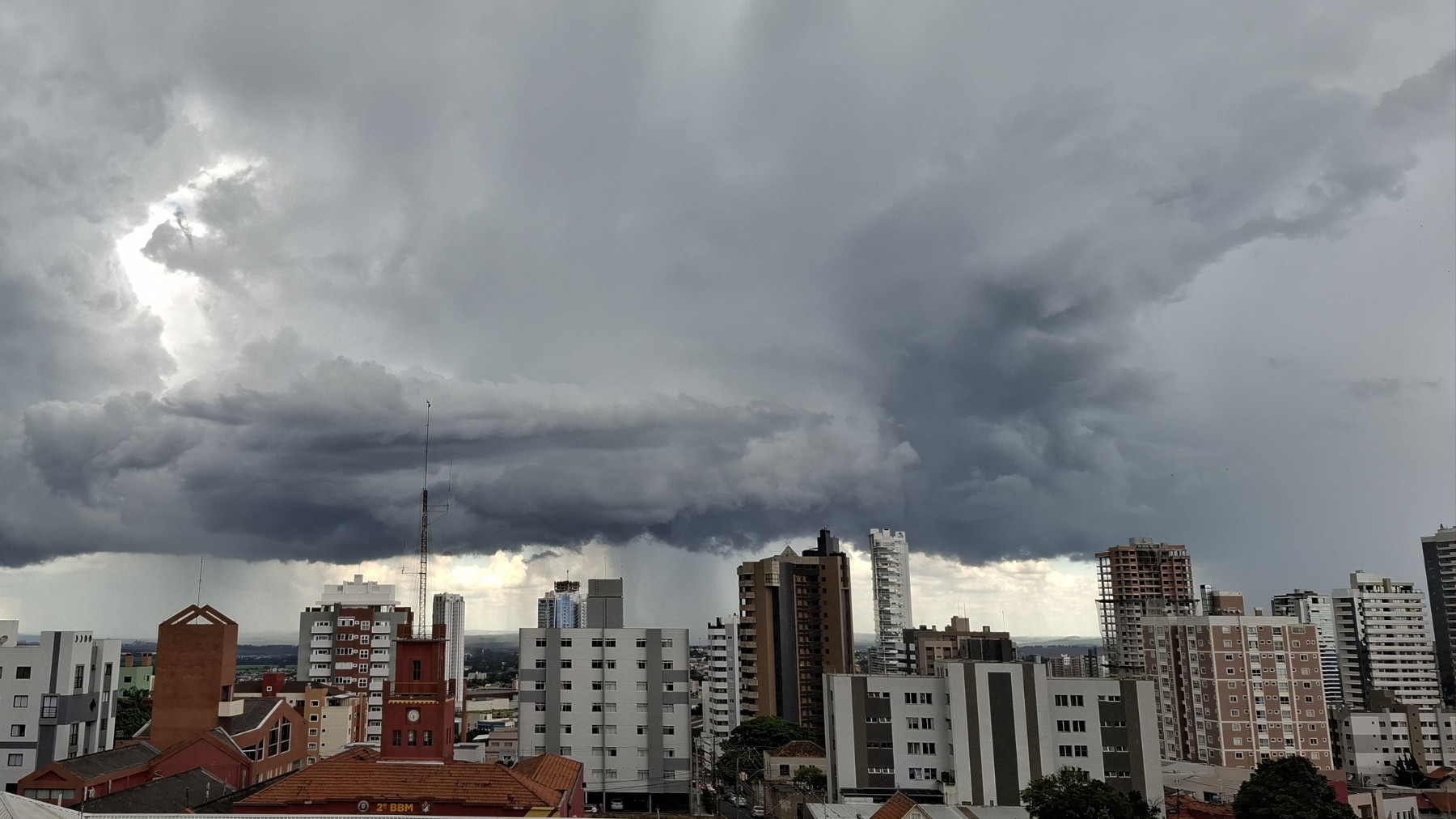
A significant cold front is advancing across southern Brazil, bringing a high risk of severe thunderstorms to parts of Paraná, Santa Catarina, and Mato Grosso do Sul on Wednesday, May 22nd. Rain is also expected to begin in southern São Paulo, signaling a broader weather shift for the state on Thursday, May 23rd. The most intense rainfall is forecast for Santa Catarina and Paraná, with potential for heavy volumes and strong downpours, particularly in western, southwestern, southern, and central Paraná, and western and central Santa Catarina. The National Institute of Meteorology (Inmet) has issued storm alerts for these regions, with the highest risk concentrated in west-central Paraná and Santa Catarina, and the far northwest of Rio Grande do Sul, affecting cities like Cascavel, Foz do Iguaçu, Guarapuava, Francisco Beltrão, Pato Branco, Chapecó, and São Miguel do Oeste. Hail is also a possibility in some areas. Meanwhile, dry and hot conditions, with low humidity, continue to dominate much of the Center-West and Southeast regions. Brasília is expected to start the day around 14°C, while Cuiabá could reach 35°C. In the Northeast, rain is concentrated along the coast, from Maranhão to southern Bahia, with drier conditions inland. The North region will see scattered showers mainly in the west and far north, with dry weather prevailing in Tocantins and parts of southern Pará and Amazonas.
The current weather patterns highlight a stark contrast across Brazil, with the southern regions experiencing intense atmospheric instability due to a cold front, while the Center-West and Southeast grapple with persistent dry heat and low humidity. This dichotomy underscores the vulnerability of different Brazilian biomes to extreme weather events, which are projected to intensify with climate change. The dry conditions in central and southeastern Brazil increase the risk of wildfires, posing a threat to ecosystems and public health, and demanding robust preventative measures and resource allocation. Conversely, the heavy rainfall in the south, while potentially beneficial for water reserves, carries risks of flooding and landslides, requiring effective disaster preparedness and response strategies. The differing impacts across the country emphasize the need for localized climate adaptation policies that acknowledge regional specificities and build resilience against a spectrum of climate-related challenges over the next decade.
AI-generated to prompt reflection — not editorial opinion, not advice, not a statement of fact. How this works.